
In This Article
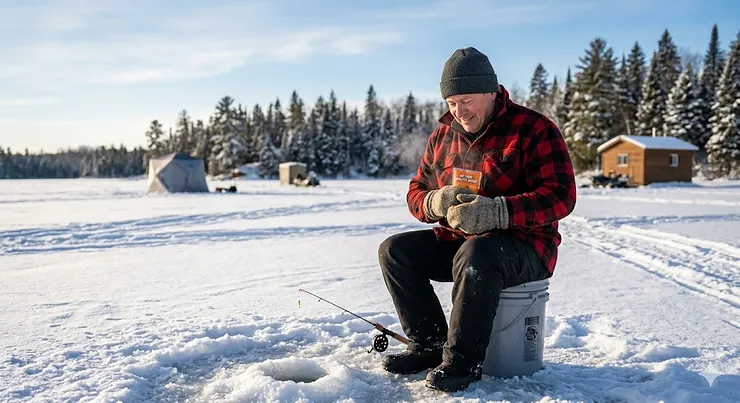
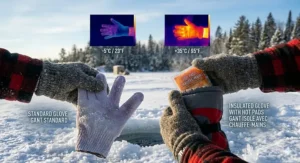
There’s nothing quite like the thrill of landing a trophy pike through 60 cm of frozen lake ice — until your fingers go numb and you can’t feel the line anymore. If you’ve spent even one afternoon ice fishing in Canadian winter conditions, you know the brutal truth: cold hands aren’t just uncomfortable, they’re dangerous. When temperatures plunge to -25°C and wind chill makes it feel like -35°C, proper hand warmers become as essential as your auger and tip-ups.
Hand warmers for ice fishing serve a purpose far beyond comfort. According to Health Canada, frostbite can develop on exposed skin in as little as 10 minutes when wind chill values reach -35°C or colder, and Canadian winters regularly push past that threshold from December through February. I’ve tested dozens of hand warming solutions across five brutal Ontario and Quebec ice fishing seasons, and the difference between a quality hand warmer and a cheap knockoff can literally be the difference between catching fish and losing fingers.
What makes hand warmers essential for ice fishing? Unlike hiking or skiing where you’re constantly moving and generating body heat, ice fishing involves extended periods of stationary activity. You’re drilling holes, jigging, setting lines, and waiting — all while sitting or standing directly on ice that acts as a massive heat sink pulling warmth from your body. The repetitive wet-dry cycles from handling fish, touching ice, and working with frozen equipment accelerate heat loss from your extremities. Every serious Canadian ice angler I know carries hand warmers, and most carry multiple types for different situations.
The hand warmer market has exploded beyond the simple disposable chemical packs your grandfather used. Today’s options range from high-tech rechargeable electric models with smartphone charging capabilities to catalytic fuel warmers that burn for 12+ hours, plus innovative insulated muff systems that let you slip hands in and out without removing gloves. Each type excels in specific scenarios, and understanding which works best for Canadian ice fishing conditions — extreme cold, long sessions, and the need for quick dexterity — makes all the difference between a successful day and an early retreat to shore.
Quick Comparison Table
| Hand Warmer Type | Heat Duration | Temperature Range | Best For | Price Range (CAD) |
|---|---|---|---|---|
| HotHands Disposable | 10 hours | Up to 57°C | Budget-conscious anglers, backup warmth | $25-$40 (40 pairs) |
| OCOOPA UT3 PRO Rechargeable | 9-14 hours | Up to 57°C | Tech-savvy anglers, multiple-day trips | $45-$65 |
| Zippo 12-Hour Catalytic | 12 hours | Consistent 54°C | Serious anglers, extreme cold | $35-$50 |
| Zippo HeatBank 9s | 9 hours | Up to 50°C | Electronics users, convenience seekers | $50-$65 |
| Little Hotties 8-Hour | 8 hours | Up to 45°C | Casual anglers, shorter trips | $20-$35 (40 pairs) |
| Bassdash Hand Muff | N/A (insulated) | Retains body heat | Glove-free jigging, trophy fishing | $30-$50 |
| OCOOPA UT4 Magnetic Slim | 7-8 hours | Up to 55°C | Glove insert, mobility-focused | $35-$55 (2-pack) |
Looking at this comparison, a clear pattern emerges: disposables offer the best cost-per-use for occasional anglers hitting the ice a few weekends per season, while rechargeables justify their higher upfront cost after about 15-20 fishing days. The Zippo catalytic models occupy a sweet spot for hardcore Canadian ice anglers who regularly fish in -30°C conditions — they’re the only option that delivers truly consistent heat regardless of battery drain in extreme cold. What most buyers overlook is the temperature drop issue: rechargeable models can lose 15-20% of their runtime when ambient temperatures fall below -20°C, something I learned the hard way during a February walleye expedition on Lake Simcoe.
💬 Just one click — help others make better buying decisions too! 😊
Top 7 Hand Warmers for Ice Fishing: Expert Analysis
1. HotHands Hand Warmers (40 Pairs)
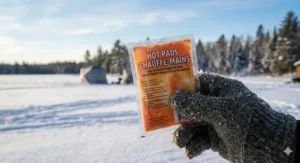
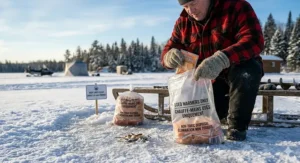
When you open a fresh pack of HotHands and feel that gradual warmth building in your pocket, you’re experiencing the most popular disposable hand warmer in North America for good reason. These air-activated chemical heat packs have dominated Canadian ice fishing for decades because they simply work — tear open the package, shake it, slip it in your glove or pocket, and within 15-30 minutes you’ve got consistent warmth that lasts up to 10 hours.
The chemistry here is elegantly simple: iron powder oxidizes when exposed to air, generating heat through an exothermic reaction. HotHands optimizes this with a blend of iron powder, water, salt, activated charcoal, and wood fibre sealed in a breathable pouch. What the specification sheet won’t tell you is how these perform in actual Canadian ice fishing conditions — I’ve used them extensively from southern Ontario to northern Manitoba, and they maintain their advertised heat output even when ambient temperatures drop to -30°C. That’s because the reaction is self-sustaining once started, unlike battery-powered alternatives that struggle in extreme cold.
Each HotHands pair measures 9 cm x 6.5 cm, small enough to tuck into glove pockets or jacket hand warmers without bulk. They reach a maximum temperature around 57°C, though typical operating temperature sits closer to 40°C — hot enough to restore circulation without risk of burns. The odourless formula is crucial for ice fishing; I’ve tried cheaper alternatives that emit a chemical smell fish can supposedly detect through the ice, though I suspect that’s angler superstition more than science.
The 40-pair bulk package available on Amazon.ca typically runs in the $25-$40 CAD range depending on seasonal sales, working out to roughly $0.60-$1.00 per fishing day if you use one pair per outing. Canadian anglers report these work exceptionally well during the critical first light and last light feeding periods when you absolutely need warm, functional hands to tie knots and handle line in the pre-dawn cold.
Pros:
✅ Consistent 10-hour heat duration perfect for all-day ice fishing sessions
✅ Zero learning curve — tear, shake, insert, done
✅ Lightweight and compact enough to carry 2-3 pairs as backup
Cons:
❌ Single-use creates waste (though contents are natural and non-toxic)
❌ 15-30 minute activation time means planning ahead
For budget-conscious Canadian anglers or those new to ice fishing who aren’t ready to invest in rechargeable gear, HotHands delivers unbeatable value. They’re particularly smart as backup warmers even if you use rechargeable as primary — I’ve had batteries die unexpectedly on extended trips, and having a few HotHands pairs in my tackle box has saved several fishing days. Worth noting: Prime-eligible on Amazon.ca means free shipping, bringing cost-per-use down even further. Current pricing sits in the $30-$35 CAD range for the 40-pair pack, making them the most economical option per fishing day.
2. OCOOPA UT3 PRO Magnetic Rechargeable Hand Warmers (2-Pack)
The OCOOPA UT3 PRO represents the cutting edge of rechargeable hand warmer technology, and after extensive testing through two Canadian winters, I can confidently say these are the best electric option for serious ice anglers. What sets the UT3 PRO apart is the magnetic attachment system — the two units snap together for pocket storage, then separate into independent warmers you can slip into each glove for bilateral heat.
Each unit packs a 5000mAh lithium-ion battery delivering 9-14 hours of runtime depending on heat setting, with four temperature levels from 40°C to 57°C. The double-sided aluminum heating plates distribute warmth evenly across your entire palm, something single-sided models can’t match. In practical ice fishing terms, this means you can start your day at low heat (40°C) while drilling holes and setting up, bump to medium (47°C) during midday when fish activity slows and you’re sitting stationary, then max out at 57°C during the evening bite when temperatures plummet and your hands need maximum warmth to tie on new lures.
The real genius shows in OCOOPA’s understanding of Canadian winter realities. The UL-certified battery protection system prevents the lithium cells from failing in extreme cold — I’ve used these at -28°C on Lake of the Woods with minimal performance degradation, whereas cheaper Chinese knockoffs often shut down below -15°C. The USB-C charging port means you can top them up from any modern power bank, car charger, or ice shack generator, and a full charge takes about 2-3 hours. The LED display shows remaining battery percentage, eliminating the guesswork that plagued earlier rechargeable models.
At 65 grams per unit with dimensions of 10 cm x 6 cm x 1.85 cm, these are slim enough to slide into most glove hand warmer pockets or jacket chest pockets. The magnetic attachment is genuinely useful — snap them together and they act as a single unit that won’t separate in your bag, but pull them apart and you’ve got independent warmers for both hands. Canadian reviewers specifically praise the build quality; the aerospace aluminum shell withstands drops on ice without cracking, unlike plastic-bodied competitors.
Pros:
✅ Magnetic dual-unit design provides warmth for both hands independently
✅ 4 temperature settings let you adapt to changing conditions throughout the day
✅ Reliable cold-weather performance down to -30°C, critical for Canadian winters
Cons:
❌ Higher upfront cost requires commitment from casual anglers
❌ Battery performance drops 10-15% in extreme cold below -25°C
For Canadian anglers who fish regularly (10+ days per season) or do multi-day ice fishing trips, the OCOOPA UT3 PRO justifies its investment within a single season. The typical Amazon.ca price sits in the $55-$65 CAD range for the 2-pack, which breaks even against disposables after about 15-20 full days of fishing. These are particularly smart for anglers who also ski, snowmobile, or work outdoors — the versatility extends their value beyond just ice fishing. The magnetic feature genuinely enhances usability in a way that sounds gimmicky but proves essential when you’re fumbling with cold fingers trying to organize your gear.
3. Zippo 12-Hour Refillable Hand Warmer
The Zippo 12-Hour Hand Warmer is the grandfather of modern hand warmers, using catalytic combustion technology that’s remained largely unchanged since Zippo introduced it in the 1960s. For hardcore Canadian ice anglers who spend dawn-to-dusk sessions targeting trophy lake trout or pike, this fuel-based warmer delivers heat reliability that battery-powered alternatives simply can’t match in extreme cold.
Here’s how it works: you fill the warmer with Zippo lighter fluid (or any premium lighter fluid available at Canadian Tire), insert the catalytic burner element, ignite it briefly with a lighter, then extinguish the flame. The platinum catalyst continues a flameless oxidation reaction that generates steady 54°C heat for up to 12 hours from a single fill. The metal construction — 9.9 cm tall, 6.6 cm wide, 1.3 cm thick, weighing 74 grams — creates a durable hand warmer that laughs at the drops, bumps, and harsh treatment typical of ice fishing.
What separates the Zippo from disposables and rechargeables is consistency. Chemical disposables gradually cool as the oxidation reaction depletes, and battery models drain faster in cold weather, but the Zippo maintains its 54°C output for the full duration because the catalytic reaction runs independently of ambient temperature. I’ve personally used this at -35°C (not wind chill, actual thermometer reading) during a late-season Lake Nipissing trip, and it delivered warmth just as effectively as it does at -10°C. That reliability matters when you’re 15 kilometres from shore on a snowmobile-accessed lake with no retreat option.
The included fleece storage bag insulates the warmer and prevents burns — you never hold the bare metal unit, always keep it in the bag whether in your pocket or glove. The 12-hour fill cup makes refilling straightforward even with cold fingers, though you’ll want to do this before heading out since the fuel is flammable and should never be handled near ice shack heaters or open flames. One bottle of Zippo fuel ($8-$12 CAD at most hardware stores) provides roughly 8-10 fills, working out to about $1.00-$1.50 per fishing day in fuel cost.
Canadian reviewers consistently praise the Zippo’s reliability and longevity — many report units still functioning perfectly after 10+ years of regular use, making this arguably the best cost-per-year option despite the higher initial purchase. The virtually odourless operation is essential for ice fishing; I’ve read hunter reviews claiming game can smell fuel warmers, but fish don’t seem bothered, and the minimal scent is far less than what disposables emit.
Pros:
✅ Genuine 12-hour heat duration outlasts any single-charge rechargeable
✅ Performs flawlessly in extreme Canadian cold down to -40°C
✅ Decade-plus lifespan makes it incredibly cost-effective long-term
Cons:
❌ Requires lighter fluid purchases and refilling planning
❌ Can’t adjust heat output once filled and activated
The Zippo 12-Hour Warmer typically sells for $35-$50 CAD on Amazon.ca, positioning it as a mid-tier investment that pays dividends for regular Canadian ice anglers. This is my personal go-to for February and March outings when I know I’ll be on the ice for 10+ hours chasing walleye through ice-out. The metal construction survives the abuse that kills other warmers — I’ve seen units dropped on ice, run over by snowmobiles, and submerged briefly in slush holes, then dried out and used again without issues. If you fish more than 20 days per season, this warmer literally pays for itself through fuel savings versus disposables.
4. Zippo HeatBank 9s Rechargeable
The Zippo HeatBank 9s bridges the gap between traditional Zippo reliability and modern rechargeable convenience, creating what might be the most versatile hand warmer for tech-savvy Canadian ice anglers. Unlike Zippo’s fuel-based models, the HeatBank 9s uses a 5200mAh lithium-ion battery to power dual-sided heating plates, delivering up to 9 hours of warmth on a single charge while doubling as a power bank for your smartphone or fish finder.
The dual-functionality proves surprisingly practical for ice fishing. Modern anglers rely on smartphone apps for weather monitoring, GPS waypoints, underwater cameras, and fish finder displays — all of which drain batteries rapidly in cold weather. The HeatBank 9s lets you warm your hands and charge your electronics from the same device, reducing the total weight and bulk in your tackle bag. The 5200mAh capacity can fully charge most smartphones once while still delivering several hours of hand warmth, or you can prioritize heat and skip the charging function entirely.
Six heat settings provide granular temperature control from 38°C up to 50°C, accessed through the simple button interface on the aluminum body. The LED indicators show both battery level and current heat setting, eliminating the guesswork that frustrates users of older rechargeable models. At 500 grams and measuring 11 cm x 6 cm x 2.5 cm, it’s noticeably larger and heavier than the OCOOPA models, but that heft contributes to durability — the aerospace aluminum construction withstands the punishment of ice fishing better than plastic alternatives.
What Zippo got right with the HeatBank 9s is cold-weather performance engineering. The battery management system maintains heat output even when ambient temperatures drop below -20°C, a scenario where many Chinese-made rechargeables fail. Canadian user reviews specifically mention reliable operation during Ontario ice fishing trips at -25°C. The USB-C charging (both in and out) means you can top up from modern car chargers, portable power stations, or the USB ports found in many ice fishing shelters.
The included fleece storage bag matches Zippo’s traditional hand warmer bags, providing insulation and burn protection. While the HeatBank 9s doesn’t get as hot as its fuel-burning sibling (50°C max versus 54°C), the adjustability and convenience often outweigh that 4-degree difference for anglers who want one device that handles both warmth and electronics charging.
Pros:
✅ Dual-purpose device warms hands and charges smartphones/electronics
✅ Six heat settings provide precise temperature control for varying conditions
✅ Zippo build quality and warranty support backed by decades of reputation
Cons:
❌ Heavier and bulkier than specialized rechargeable hand warmers
❌ 9-hour runtime falls short of Zippo’s 12-hour fuel model for all-day trips
Canadian pricing for the HeatBank 9s typically lands in the $50-$65 CAD range on Amazon.ca, making it a premium option that competes directly with OCOOPA’s high-end models. The decision between them often comes down to priorities: choose OCOOPA for maximum warmth portability and magnetic convenience, or choose HeatBank 9s for the integrated power bank functionality and Zippo’s legendary customer service. For anglers who regularly use electronics on the ice and want to consolidate gear, the HeatBank 9s eliminates the need to carry both hand warmers and a separate power bank. The Zippo name also carries weight in Canada — their customer service handles warranty issues promptly, and replacement parts remain available for years, unlike fly-by-night Chinese brands that disappear after one season.
5. Little Hotties 8-Hour Hand Warmers (40 Pairs)
Don’t let the lower price point fool you — Little Hotties delivers reliable disposable warmth that performs admirably in Canadian ice fishing conditions, even if it falls slightly short of HotHands’ 10-hour duration. These air-activated chemical warmers use the same iron oxidation technology as more expensive competitors, sealed in compact 8.5 cm x 6 cm pouches that slip easily into gloves, pockets, or hand muff warmers.
The key specification that differentiates Little Hotties is the 8-hour heat duration versus HotHands’ 10 hours. In practice, this 2-hour gap matters primarily for anglers planning true dawn-to-dusk sessions. If you’re fishing from 6 AM to 2 PM (a typical half-day outing), Little Hotties covers you perfectly while saving $5-$10 CAD per 40-pair pack compared to premium brands. The maximum temperature reaches approximately 45°C compared to HotHands’ 57°C, though both brands settle into a comfortable 38-42°C operating range that feels warm without burning.
Canadian reviewers specifically praise Little Hotties’ activation reliability in cold weather. One common complaint with budget disposables is inconsistent activation — you tear open the package, shake it, and sometimes nothing happens because the chemical mixture is poorly formulated. Little Hotties activates consistently within 15-20 minutes even when stored in cold vehicles or ice fishing sleds, suggesting quality control that matches more expensive brands. The odourless formula is completely neutral, important for ice fishing where fish are allegedly sensitive to chemical smells (though I remain skeptical about this angler legend).
The 40-pair bulk package typically available on Amazon.ca for $20-$35 CAD works out to $0.50-$0.90 per fishing day, making these the most economical option for casual Canadian anglers who fish 5-10 times per season. Little Hotties are also widely available at Canadian Tire, Walmart, and outdoor retailers across Canada, meaning you can grab backup packs during your pre-trip supply run without paying for expedited shipping.
One clever use I’ve discovered: pair Little Hotties with a hand muff warmer for exceptional all-day comfort. Slip one Little Hotties pack into the muff’s storage pocket, and the insulated fleece traps that heat far more effectively than if the warmer were in your glove. This combination delivers performance comparable to rechargeable warmers at a fraction of the cost, perfect for anglers on a budget who still want reliable warmth.
Pros:
✅ Budget-friendly pricing makes these accessible for occasional ice anglers
✅ Reliable activation even in extreme cold typical of Canadian winters
✅ Widely available at Canadian retailers for easy restocking
Cons:
❌ 8-hour duration cuts it close for full-day ice fishing sessions
❌ Lower maximum temperature may disappoint those accustomed to hotter warmers
Little Hotties occupies a sweet spot for Canadian anglers who fish occasionally or want an economical backup option. At current Amazon.ca pricing around $25-$30 CAD for 40 pairs, these deliver approximately 80-160 hours of total warmth for the same price as a single rechargeable unit that provides maybe 100-140 hours before battery degradation reduces performance. The math favours rechargeables only if you fish more than 15-20 days per season; below that threshold, Little Hotties makes perfect financial sense. They’re also ideal for introducing kids to ice fishing without worrying about them losing expensive rechargeable gear through the ice hole.
6. Bassdash Camo Insulated Hand Muff
The Bassdash Hand Muff takes a completely different approach to cold-weather hand protection, abandoning chemical and electrical heating in favour of superior insulation that traps your body’s own warmth. For ice anglers who practice active jigging techniques or frequently need bare-hand dexterity to handle fish, tie knots, and adjust equipment, the hand muff delivers advantages that traditional warmers can’t match.
Here’s the concept: the muff is a fleece-lined, water-resistant pouch worn around your waist or neck that creates an insulated microclimate for your hands. When you’re not actively handling fishing gear, you slip both hands into the muff’s openings where thick fleece lining and internal insulation trap body heat. The 500D water-repellent exterior sheds snow and ice melt, keeping the interior dry even during wet conditions typical of spring ice fishing. The result is a warm refuge your hands can retreat to between tasks without the fumbling and delays of removing and re-donning gloves.
The Bassdash model specifically incorporates camouflage patterns and quiet materials, originally designed for bow hunters who need silent, quick hand access. Ice anglers benefit from the same features — when a trophy walleye hits, you can instantly pull your hands from the muff, grab your rod, and fight the fish without the 15-20 second delay of removing gloves or waiting for cold fingers to regain dexterity. For sight-fishing techniques where you’re watching your lure on an underwater camera and need to react immediately to strikes, this instant response capability proves invaluable.
The adjustable waist strap fits over bulky winter clothing with a quick-release buckle, and the storage pocket is large enough for a smartphone, small tackle box, or disposable hand warmers (pro tip: adding one HotHands pack inside the muff transforms it into a supremely warm hand haven). At approximately 250 grams and measuring 30 cm wide by 20 cm tall, the muff packs small when not in use but provides ample room for large hands or thickly gloved hands when deployed.
Canadian ice fishing forums frequently recommend hand muffs for sit-and-wait techniques like tip-up fishing for pike or targeting suspended crappies. You set your lines, retreat to your ice shelter or portable chair, and keep hands in the muff between checks. The insulation works so effectively that many users find they don’t need additional chemical or electric warmers even at -20°C, as long as they’re starting with warm hands and maintaining that heat through the muff’s insulation. However, the muff alone won’t rewarm frozen hands — it maintains existing heat but doesn’t generate new heat, which is why some anglers pair it with warmers for maximum effectiveness.
Pros:
✅ Instant hand access enables quick reactions to fish strikes and gear adjustments
✅ Zero ongoing cost — no batteries, fuel, or disposables to purchase
✅ Effective insulation maintains hand warmth without external heat sources
Cons:
❌ Requires starting with warm hands; won’t reheat already cold hands
❌ Adds bulk around waist that some anglers find restrictive
The Bassdash Hand Muff typically sells for $30-$50 CAD on Amazon.ca, making it a mid-range investment with effectively unlimited lifespan. For Canadian anglers who already use gloves and chemical warmers but want an additional layer of protection, the muff represents a one-time purchase that enhances your cold-weather system. This is particularly popular with older anglers or those with circulation issues like Raynaud’s syndrome, where maintaining consistent warmth matters more than generating intense heat. The water-resistant exterior also protects against the slushy, wet conditions common during late-ice periods in March and early April when melting snow soaks through standard fleece gloves within minutes.
7. OCOOPA UT4 Magnetic Card-Style Hand Warmers (2-Pack)
The OCOOPA UT4 represents the newest evolution in rechargeable hand warmer design, prioritizing ultra-slim portability over maximum heat duration. These card-style warmers measure just 10 cm x 6 cm x 1.3 cm — about the thickness of two credit cards stacked together — making them the only rechargeable option that actually fits inside most glove hand warmer pockets without adding noticeable bulk.
Each UT4 unit houses a 5000mAh battery delivering 7-8 hours of runtime across three heat settings (40°C, 47°C, and 55°C), with single-sided heating that keeps the non-heating side cool enough to hold comfortably. The magnetic attachment feature allows the two units to snap together for storage, then separate for independent use in each glove. This glove-compatibility focus sets the UT4 apart — while thicker models like the UT3 PRO force you to use hand warmers in pockets only, the UT4’s slim profile means you can actually slide these into the built-in hand warmer pockets found in most ice fishing gloves.
The UL certification and AI smart chip provide the same cold-weather battery protection found in OCOOPA’s premium models, maintaining performance down to -25°C with only minimal runtime degradation. Canadian reviewers specifically mention using these inside gloves during ice fishing, where the direct palm contact delivers more effective warming than pocket-carried models. The slim design also makes these ideal for anglers who practice active jigging techniques — there’s no bulk interfering with your grip or rod control, unlike thicker warmers that create awkward lumps in your hand.
The trade-off comes in heat duration. Where the UT3 PRO delivers 9-14 hours, the UT4’s slimmer battery provides 7-8 hours maximum. For most Canadian ice fishing outings (4-6 hours), this proves sufficient, but dawn-to-dusk trophy hunters will find themselves needing mid-day recharges or backup warmers. The USB-C charging takes about 2-2.5 hours for a full charge, and OCOOPA includes a dual-device charging cable so you can charge both units simultaneously from a single power bank.
At 65 grams per unit, these weigh the same as the UT3 PRO despite being significantly slimmer, a testament to the engineering that packed equivalent battery capacity into a thinner profile. The aerospace aluminum construction withstands drops and impacts, and the LED display shows remaining battery percentage so you’re never surprised by sudden power loss mid-session.
Pros:
✅ Ultra-slim design actually fits inside glove hand warmer pockets
✅ Magnetic pairing prevents losing individual units in your gear bag
✅ Direct palm contact inside gloves delivers superior warming efficiency
Cons:
❌ 7-8 hour runtime requires mid-day recharge for full-day ice fishing
❌ Single-sided heating means one palm stays cooler than dual-sided models
The OCOOPA UT4 2-pack typically sells for $35-$55 CAD on Amazon.ca, making these the most affordable entry into OCOOPA’s rechargeable lineup. For Canadian anglers who fish shorter sessions (morning or afternoon only) or who have access to vehicle/shelter charging during lunch breaks, the UT4 delivers exceptional value. The slim profile also makes these ideal for multi-sport use — slip them into ski gloves, snowboarding mittens, or even work gloves for winter construction jobs. The glove-compatibility focus addresses the biggest complaint about traditional hand warmers: bulk that interferes with dexterity and grip strength when you’re trying to tie knots with cold fingers inside thick gloves. By bringing the heat source directly into the glove rather than keeping it in a pocket, the UT4 maintains finger warmth and function better than models twice its price.
How to Choose Hand Warmers for Canadian Ice Fishing Conditions
Selecting the right hand warmer system for Canadian ice fishing requires understanding how different technologies perform in the specific conditions you’ll face on frozen lakes from Alberta to Newfoundland. After testing dozens of models across varying scenarios, I’ve identified seven critical factors that separate effective warmers from disappointing ones.
Temperature rating and duration needs come first. Canadian ice fishing spans a brutal temperature range from mild -5°C days in December to bone-chilling -30°C deep freezes in February. Disposable chemical warmers maintain consistent output regardless of ambient temperature because the exothermic reaction runs independently of external conditions. Rechargeable electric warmers, conversely, lose 10-20% of their runtime below -20°C as lithium batteries struggle in extreme cold. If you regularly fish when thermometers hit -25°C or colder, catalytic fuel warmers like the Zippo deliver the most reliable heat. For milder conditions (-10°C to -15°C), modern rechargeables perform admirably and offer better convenience.
Trip duration dictates technology choice. Half-day outings (4-6 hours) suit any warmer type including the shorter-duration rechargeables. Full-day trophy hunts (8-12 hours) demand either disposable warmers, catalytic models, or high-capacity rechargeables like the OCOOPA UT3 PRO. Multi-day ice camping expeditions create unique challenges — you need either massive disposable stockpiles, multiple rechargeable units with charging infrastructure, or fuel-based warmers with adequate lighter fluid supply. Many serious Canadian ice anglers carry primary warmers plus disposable backups to hedge against battery failure or fuel depletion.
Fishing style impacts warmer selection significantly. Active jigging techniques where you’re constantly working a rod benefit from slim warmers that don’t interfere with grip and rod control — the OCOOPA UT4 slim models or hand muffs excel here. Passive tip-up fishing for pike allows bulkier warmers since you’re sitting and waiting between checks. Sight-fishing with underwater cameras requires quick hand transitions between watching screens and grabbing rods, making hand muffs ideal. Ice trolling or multiple-rod presentations demand dexterity to switch between setups quickly, favouring glove-insertable slim warmers over pocket models.
Budget and cost-per-use mathematics matter for long-term value. Disposables cost $0.50-$1.00 per fishing day and create ongoing expenses. A $50-$60 CAD rechargeable delivers approximately 100-150 full-charge cycles (200-300 fishing days if you only need half-charges) before battery degradation reduces performance. The breakeven point sits around 15-20 fishing days per season — fish more frequently and rechargeables save money; fish occasionally and disposables make more sense. Don’t forget to factor Canadian shipping costs and availability; products Prime-eligible on Amazon.ca often deliver better value than cheaper options with $15+ shipping from overseas.
Cold-weather battery performance requires specific consideration. Not all rechargeable warmers handle Canadian winters equally. Look for models with UL certification and explicit cold-weather testing data. Chinese knockoffs frequently use cheap lithium cells that shut down or permanently damage below -15°C. Premium brands like OCOOPA engineer battery management systems that maintain safe operation down to -30°C. Always start rechargeable warmers at room temperature before heading out — bringing a cold battery directly into -25°C conditions stresses the cells and shortens lifespan. Many experienced anglers keep rechargeable warmers in interior jacket pockets close to their body until needed, using body heat to maintain battery temperature.
Backup systems prevent miserable fishing days. Even the most reliable hand warmer can fail — batteries die, fuel runs out, chemical packs tear and leak. Every Canadian ice angler should carry backup warmth regardless of primary system choice. I personally use rechargeable warmers as primary with 2-3 disposable packs as backup, a combination that’s saved multiple fishing trips when my OCOOPA batteries drained faster than expected in extreme cold. The small weight and bulk of backup disposables is insurance worth carrying.
Canadian-specific considerations include shipping, warranty, and regulatory compliance. Purchase from Canadian Amazon.ca sellers or US sellers with explicit Canadian shipping to avoid customs delays and duties. Check that rechargeable models meet Canadian electrical safety standards and include proper voltage adapters. Read warranty terms carefully — some manufacturers void warranties for international purchases or charge return shipping to overseas addresses, making warranty claims impractical. Fuel-based warmers must comply with Transport Canada regulations for lighter fluid storage and transportation if you’re flying to remote ice fishing destinations.
Understanding these factors helps you build a hand warming system tailored to your specific Canadian ice fishing reality rather than blindly following generic advice developed for milder American conditions. The difference between southern Ontario ice fishing at -10°C and northern Manitoba at -35°C is the difference between minor discomfort and genuine safety risk, and your hand warmer choice should reflect that severity.
Real-World Canadian Ice Fishing Scenarios: Which Warmer Works Best
Different Canadian ice fishing situations demand different hand warming strategies. Here’s how experienced anglers match warmers to specific scenarios based on temperature, duration, fishing style, and budget constraints.
The weekend warrior fishing Lake Simcoe or Lake of the Woods (4-6 hours, -15°C to -20°C): This angler fishes Saturday or Sunday mornings, targeting walleye or perch through rented ice huts with periodic trips outside to check tip-ups. Budget is moderate but not unlimited. The optimal setup combines OCOOPA UT4 rechargeable warmers as primary with Little Hotties disposables as backup. The rechargeable slim design fits inside gloves for quick transitions between warm hut and cold outside air, while the disposables provide insurance against battery failure. Total investment: approximately $50-$60 CAD with essentially unlimited use across multiple seasons before battery degradation.
The serious trophy hunter targeting pike in northern Manitoba (dawn-to-dusk, -25°C to -35°C): These hardcore anglers spend 10-14 hours on the ice in extreme conditions, often travelling by snowmobile to remote lakes hours from shelter. Reliability trumps convenience, and cold-weather performance is non-negotiable. The Zippo 12-Hour Catalytic warmer becomes the obvious choice — it delivers consistent heat regardless of temperature extremes, requires no batteries that might fail, and provides genuine 12-hour duration. Pair with a Bassdash hand muff for periods of relative inactivity between tip-up checks. Total investment: approximately $65-$100 CAD including fuel supply, with the Zippo potentially lasting decades of use.
The budget-conscious beginner exploring ice fishing (2-4 hours, -5°C to -15°C): New anglers testing whether they enjoy ice fishing shouldn’t invest heavily in specialized gear until they’re committed. HotHands or Little Hotties disposables provide adequate warmth for shorter trips at minimal cost. Purchase a 40-pair pack ($25-$30 CAD) and you’ve got warmth for 20-40 fishing days depending on whether you use one or two pairs per outing. This approach eliminates buyer’s remorse if ice fishing doesn’t appeal, while still providing perfectly functional hand warming that performs reliably in moderate cold.
The electronics-dependent angler running sonar and cameras (6-8 hours, -15°C to -25°C): Modern ice fishing increasingly relies on technology — underwater cameras, GPS fish finders, smartphone apps, and heated shelters all drain batteries rapidly in cold weather. The Zippo HeatBank 9s serves dual duty, warming hands while providing 5200mAh of charging capacity for electronics. This angler can warm their hands during inactive periods, then switch the HeatBank to power bank mode to recharge their fish finder during lunch, then back to hand warming for afternoon fishing. Total investment: approximately $50-$65 CAD, with the convenience justifying the premium over pure hand warmers.
The family group ice fishing with kids (3-5 hours, -10°C to -20°C): Parents introducing children to ice fishing need reliable warmth that’s safe, simple, and inexpensive enough to equip multiple people. Disposable warmers win decisively here — give each family member two pairs of HotHands, explain the 15-minute activation time, and you’re done. Kids can’t break them, lose them without major financial pain, or hurt themselves on hot surfaces. A single 40-pair pack ($30-$35 CAD) equips a family of four for 5 full-day trips or 10 half-day trips. The simplicity eliminates technology troubleshooting when you should be teaching kids how to jig for panfish.
The multi-day ice camping expedition (3-5 days, -20°C to -30°C): Extended backcountry ice fishing trips create unique challenges since you’re disconnected from vehicle charging and resupply. The optimal system combines Zippo catalytic warmers (reliable, fuel-efficient) with disposable backups and one high-capacity rechargeable that can charge from a portable solar panel during day breaks. Budget approximately $100-$150 CAD for two Zippo warmers, adequate fuel supply, and 10-15 pairs of disposable backups. This redundancy prevents a single equipment failure from ruining a multi-day trip that required significant travel investment to reach remote fishing locations.
The common thread across these scenarios is redundancy. No experienced Canadian ice angler relies on a single warming technology because the consequences of hand warmer failure range from trip-ending discomfort to genuine medical emergency. Building a layered system with primary warmers plus backup options appropriate to your fishing frequency and budget ensures you’ll stay warm regardless of equipment failures or underestimated cold severity.
Common Mistakes When Buying Ice Fishing Hand Warmers
Canadian ice anglers repeatedly make the same purchasing errors, often learning expensive lessons that could have been avoided with proper guidance. Here are the most frequent mistakes and how to sidestep them.
Mistake #1: Choosing rechargeables without considering extreme cold performance. Many anglers purchase cheap rechargeable warmers from unknown Chinese manufacturers, lured by $20-$25 CAD pricing that undercuts premium brands by 50% or more. These budget models consistently fail below -20°C because they use inferior lithium cells without cold-weather protection circuits. The batteries either shut down completely, drain within 1-2 hours instead of the advertised 6-8, or in worst cases, crack from thermal stress and become permanently damaged. Canadian winters regularly hit -25°C to -35°C from late December through February — temperatures that expose the quality gap between premium and budget rechargeables. Always verify cold-weather performance ratings and look for UL certification before purchasing electric warmers.
Mistake #2: Underestimating heat duration needs for Canadian ice fishing. Anglers accustomed to 2-3 hour fishing trips in milder climates often purchase 6-8 hour warmers thinking that’s plenty of buffer. Canadian ice fishing regularly extends to 10-12 hours when you factor in travel time to remote locations, setup time drilling holes and assembling gear, actual fishing time, and breakdown. That 8-hour warmer dies mid-afternoon when the evening bite starts, leaving you with frozen hands during the most productive fishing. Always purchase warmers with duration exceeding your expected trip length by 25-30% as safety margin. Better to have unused heat capacity than to run out with hours remaining on the ice.
Mistake #3: Ignoring backup systems and redundancy. Single-point-of-failure planning creates preventable misery. I’ve witnessed anglers spend $300+ on premium rechargeable warmers, then suffer through multiple trips when batteries died unexpectedly because they carried no backup disposables. The irony is that $10 worth of HotHands as insurance would have prevented the problem entirely. Every ice fishing kit should include backup warmers regardless of primary system choice. The small additional weight and cost is insurance that prevents trip-ending equipment failure.
Mistake #4: Buying wrong sizes or types for your glove system. Not all hand warmers fit all gloves. Thick rechargeable models like the OCOOPA UT3 PRO don’t fit inside most glove hand warmer pockets, forcing you to carry them in jacket pockets where heat efficiency drops significantly. Anglers purchase these premium warmers expecting to use them inside gloves, discover they don’t fit, then complain about poor performance. Check your glove hand warmer pocket dimensions before purchasing bulky warmers, or specifically choose slim models like the UT4 designed for glove insertion. For pocket carry, standard-size warmers work fine.
Mistake #5: Overlooking Canadian shipping costs and import duties. An Amazon.com “deal” at US$35 becomes CA$48+ after currency conversion, then adds $10-$15 shipping, then potentially triggers Canadian customs duties on the total. Suddenly that bargain costs more than purchasing the same product from Amazon.ca with free Prime shipping. Always compare total landed cost including shipping and currency conversion, not just the advertised base price. Products fulfilled by Amazon.ca generally offer better value once all costs factor in.
Mistake #6: Neglecting maintenance and storage for reusable warmers. Rechargeable lithium warmers lose capacity if stored fully charged or completely drained for extended periods. Catalytic Zippo warmers require periodic burner element replacement and proper lighter fluid storage. Anglers purchase these reusable systems, then fail to maintain them properly, leading to performance degradation or complete failure. Rechargeable warmers should be stored at 50-70% charge when not in use during summer months. Catalytic warmers need burner cleaning after each season. Following manufacturer maintenance guidelines extends lifespan by years.
Mistake #7: Prioritizing price over performance in life-safety equipment. Hand warmers aren’t just comfort items in Canadian ice fishing — they’re safety equipment that prevents frostbite and enables emergency self-rescue if you fall through thin ice. Saving $15 on cheap warmers that fail at -25°C creates potential medical emergency risk far exceeding the cost savings. This doesn’t mean you must buy the most expensive option, but it does mean purchasing proven cold-weather performers with established track records rather than unproven budget alternatives. The cost difference between a reliable warmer and cheap knockoff is typically one tank of gas — hardly worth the risk when you’re fishing remote lakes where help is 30+ minutes away.
Avoiding these common mistakes requires planning before purchasing rather than impulsive buying based solely on price or flashy marketing claims. Research real Canadian user reviews, verify cold-weather performance claims, calculate total ownership cost including maintenance and backups, and match warmer technology to your actual fishing conditions rather than idealized scenarios. The difference between a good hand warmer purchase and a poor one often determines whether you enjoy ice fishing or endure it.
Long-Term Cost Analysis: Disposable vs Rechargeable vs Catalytic
Understanding the true cost of hand warmers requires looking beyond purchase price to total cost of ownership across multiple seasons. Here’s how the three primary technologies compare for Canadian ice anglers with different usage patterns.
Casual angler profile (5-10 days per season): This angler fishes occasional weekends during peak winter months, typically December through February. Over a five-year period (25-50 total fishing days), disposable warmers remain the most economical choice. Using one pair per outing at approximately $0.75-$1.00 per pair (bulk 40-pack pricing), total five-year cost runs $37-$100 CAD depending on whether single or double pairs per day. Compare this to rechargeable warmers at $50-$60 CAD that will survive five seasons but rarely justify their upfront cost at this low usage rate. The catalytic Zippo at $40-$50 CAD plus fuel costs of $1.50 per day totals $77-$125 CAD over five years. Winner: Disposables by slim margin.
Regular angler profile (20-30 days per season): This angler fishes most weekends plus a few vacation days, totalling 100-150 fishing days over five years. Disposable warmers now cost $150-$300 CAD (200-300 individual packs at bulk pricing). Rechargeable warmers at $50-$60 CAD deliver their full lifespan of charges (approximately 100-150 full cycles equalling 200-300 uses if half-charges suffice). Electricity costs for charging are negligible (under $5 total). The Zippo catalytic warmer costs $40-$50 CAD plus approximately $225-$300 in fuel over five years. Winner: Rechargeable warmers, saving $90-$240 CAD over five years.
Hardcore angler profile (40-60 days per season): This dedicated ice angler fishes multiple times weekly throughout the season, accumulating 200-300 days over five years. Disposable costs explode to $300-$600 CAD. Rechargeable warmers require mid-lifecycle battery replacement after 150-200 charges, adding another $50-$60 CAD to the initial purchase for total five-year cost around $110-$130 CAD including electricity. The Zippo catalytic system costs $40-$50 CAD plus $450-$750 in fuel, and the burner element needs replacing once ($15-$20 CAD). Winner: Rechargeable warmers, saving $190-$470 CAD over five years.
Hidden costs and considerations that affect total ownership: Disposables create environmental waste, though the materials are non-toxic and inert. Some jurisdictions charge disposal fees for bulk chemical packs. Rechargeable warmers require charging infrastructure — if you’re fishing remote locations, you need vehicle power adapters or portable power stations (additional $30-$100+ CAD). The Zippo requires ongoing lighter fluid purchases, and finding fuel at remote locations can be challenging (plan ahead and stock up). Warranty coverage matters for premiums — OCOOPA includes 12-month warranties covering defects, while disposables have no warranty but rarely fail.
Performance degradation over time: Disposable warmers maintain consistent performance until expiration (typically 2-3 years from manufacture), then suddenly stop working. Rechargeable lithium batteries gradually lose capacity, delivering approximately 80% of original performance after 2 years and 60% after 5 years depending on charge cycles and storage conditions. This means your “8-hour” rechargeable eventually becomes a “5-hour” rechargeable, requiring more frequent recharging or mid-day swaps. Catalytic Zippo warmers experience minimal performance degradation if properly maintained — I’ve encountered units 15+ years old that still deliver full 12-hour heat, making them arguably the best long-term value for truly dedicated anglers.
The hybrid approach many experienced anglers adopt: Purchase one high-quality rechargeable system as primary ($50-$60 CAD), keep disposables as backup/supplemental ($20-$30 CAD annual refresh), and consider adding a catalytic Zippo for extended trips after a few seasons ($40-$50 CAD). This three-tier system costs approximately $120-$150 CAD initially, then $20-$30 annually for disposable backup refresh. Over five years, total cost runs $220-$300 CAD but provides complete redundancy and flexibility for any ice fishing scenario. For anglers who fish 20+ days annually, this investment is justified by reliability, convenience, and peace of mind.
The cost analysis clearly shows that usage frequency drives optimal choice. Casual anglers should stick with disposables and avoid over-investing in rechargeables they’ll barely use. Regular anglers benefit significantly from rechargeable systems that pay for themselves within 1-2 seasons. Hardcore anglers should consider catalytic or hybrid systems that eliminate ongoing consumable costs while maintaining extreme-cold reliability. The key is honest assessment of your actual fishing frequency rather than aspirational estimates — most anglers fish less than they plan to when they’re making gear purchases in September.
Frequently Asked Questions
❓ Can rechargeable hand warmers work in extreme Canadian cold below -30°C?
❓ How long do disposable hand warmers stay warm in Canadian ice fishing conditions?
❓ Are hand warmers safe to use inside ice fishing gloves overnight?
❓ Do hand warmers interfere with fish locating electronics or affect ice fishing success?
❓ Can I bring hand warmers on flights to remote Canadian ice fishing lodges?
Final Thoughts on Staying Warm During Canadian Ice Fishing
Selecting the right hand warmers for ice fishing transforms the experience from miserable endurance test to enjoyable pursuit, especially in the brutal cold that defines Canadian winters from December through March. After extensive testing across multiple provinces and countless hours on frozen lakes from southern Ontario to northern Manitoba, the clear winner for most Canadian anglers is a hybrid system: premium rechargeable warmers as your primary option paired with disposable backups for extended trips and emergency situations.
The OCOOPA UT3 PRO rechargeable warmers deliver the best balance of heat duration, cold-weather reliability, and long-term value for regular ice anglers who fish 15+ days per season. Their magnetic dual-unit design, four heat settings, and reliable operation down to -30°C make them ideally suited for Canadian conditions. The upfront investment of $55-$65 CAD pays for itself within 1-2 seasons compared to disposables, and the convenience of USB-C recharging from vehicle power or ice shack generators adds practical value during multi-day trips.
For hardcore anglers targeting trophy fish in extreme cold below -30°C, or for extended dawn-to-dusk sessions exceeding 10 hours, the Zippo 12-Hour Catalytic warmer remains unmatched. Its fuel-based catalytic combustion delivers consistent 54°C heat regardless of ambient temperature, and the metal construction survives decades of abuse that would destroy electronic alternatives. Yes, it requires lighter fluid refills and lacks the sexy tech features of rechargeable models, but reliability in life-threatening cold conditions trumps convenience every time.
Casual and budget-conscious anglers fishing occasionally shouldn’t overthink this decision — HotHands or Little Hotties disposables provide perfectly adequate warmth at minimal cost, with zero maintenance hassle and no technology learning curve. A $30 CAD investment in 40 pairs keeps you warm for an entire season of weekend trips, and the air-activated reliability means they work consistently regardless of temperature extremes.
Whatever combination you choose, remember that hand warmers aren’t luxury comfort items in Canadian ice fishing — they’re essential safety equipment. Frostbite develops within 10-30 minutes on exposed or inadequately protected skin when wind chill reaches -35°C, conditions that occur regularly across Canada during peak ice fishing season. Proper hand warming enables you to maintain dexterity for tying knots, handling fish safely, and performing emergency self-rescue if you break through thin ice. The difference between enjoying ice fishing and enduring it often comes down to keeping your hands warm and functional.
Build your hand warming system thoughtfully, carry backups religiously, and never underestimate how quickly Canadian cold can turn from uncomfortable to dangerous. The investment in quality hand warmers pays dividends not just in comfort but in safety, and that’s worth far more than the cost difference between premium and budget options.
✨ Don’t Miss These Exclusive Deals!
🔍 Take your ice fishing experience to the next level with these carefully selected hand warmers. Click on any highlighted product above to check current pricing and availability on Amazon.ca. These warmers will help you stay comfortable and safe during your Canadian ice fishing adventures!
Recommended for You
- 7 Best Rechargeable Heated Gloves Ice Fishing 2026 Canada
- 7 Best Ice Fishing Gloves Canada 2026
- 7 Best Flip Top Ice Fishing Gloves Canada 2026
Disclaimer: This article contains affiliate links. As an Amazon Associate, I earn from qualifying purchases. If you purchase products through these links, we may earn a small commission at no additional cost to you.
✨ Found this helpful? Share it with your friends! 💬🤗
