
In This Article
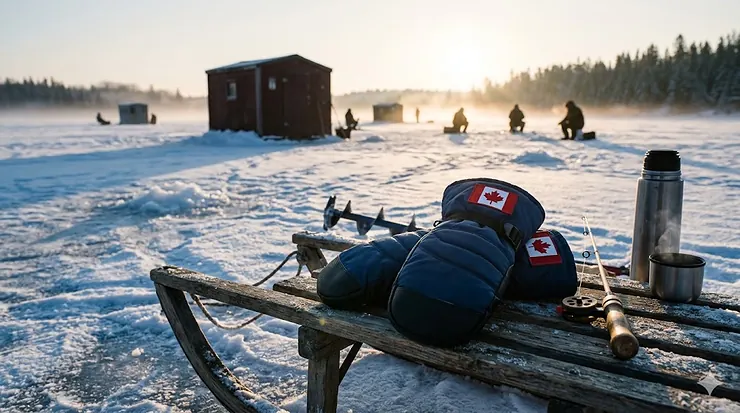
Anyone who’s pulled a pike through a hole in -25°C knows the brutal truth: regular winter gloves fail spectacularly on the ice. I’ve watched countless anglers cut their fishing days short because their hands went numb after two hours, and I’ve done it myself more times than I care to admit. The problem isn’t just the cold—it’s the unique combination of moisture from handling fish, wind whipping across frozen lakes, and the constant need to maintain dexterity for tying knots and setting hooks.
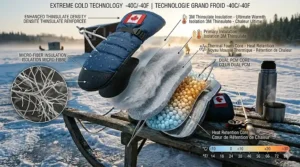
Ice fishing mittens solve this in ways regular winter gloves simply can’t. The mitten design traps significantly more heat by allowing your fingers to share warmth, while specialized materials like neoprene and PrimaLoft insulation maintain flexibility even at temperatures where leather gloves become stiff as cardboard. But here’s what most Canadian ice anglers overlook: the best mittens for our winters aren’t necessarily the warmest ones. You need a balance of insulation, waterproofing, and tactical features like flip-back designs that let you access your fingertips without exposing your entire hand to windchill values that can freeze skin in under 10 minutes.
The market has evolved dramatically since 2024, with new materials and hybrid designs that address the age-old trade-off between warmth and dexterity. Whether you’re jigging for walleye in Lake Simcoe’s brutal February winds or pulling perch from Manitoba’s remote lakes, the right mittens can extend your fishing day from a few painful hours to a comfortable all-day adventure. This guide examines seven proven options available on Amazon.ca, with insights drawn from actual Canadian winter testing conditions—not just manufacturer claims.
Quick Comparison: Top Ice Fishing Mittens at a Glance
| Product | Insulation | Waterproof | Key Feature | Price Range (CAD) | Best For |
|---|---|---|---|---|---|
| Striker Climate Crossover Mitt | 200g Thinsulate (back), 150g (palm) | Hipora membrane | Flip-back mitt design | $60-$90 | Versatility & dexterity |
| Ice Armor Edge Mitt | 150g Thinsulate | Dintex membrane | Long gauntlet cuffs | $50-$75 | Budget-conscious anglers |
| KastKing IceRiver Glove | 1mm fleece lining | 2.2mm neoprene | 100% waterproof | $40-$65 | Wet conditions |
| Fish Monkey Wool Glove | Merino wool blend | Water-resistant | Touchscreen compatible | $35-$55 | Mild days & mobility |
| Striker Tundra Mitt | 200g Thermadex | Leather palm | Traditional mitt design | $70-$100 | Maximum warmth |
| Ice Armor Extreme Mitt | PrimaLoft Gold/Silver RISE | Premium materials | Highest insulation | $110-$150 | Extreme cold specialists |
| KastKing Mountain Mist Glove | Fleece lined | Neoprene/microfiber | Flip-back fingertips | $30-$50 | Photography & multi-use |
Looking at this comparison, the Striker Climate Crossover emerges as the most versatile choice for mixed conditions—its dual insulation zones mean you’re not sacrificing palm dexterity for back-of-hand warmth, a critical consideration when you’re drilling holes or handling ice fishing electronics. Budget buyers should note the Ice Armor Edge delivers 75% of the premium performance at half the cost, though you’ll sacrifice some of the advanced materials. For those facing Saskatchewan or Northern Ontario’s notorious windchills below -40°C, the investment in Ice Armor Extreme Mitt pays dividends—PrimaLoft Gold insulation maintains loft even when compressed, unlike cheaper synthetic fills that flatten out and lose effectiveness after a season of heavy use.
💬 Just one click — help others make better buying decisions too!😊
Top 7 Ice Fishing Mittens: Expert Analysis
1. Striker Climate Crossover Mitt
What sets the Striker Climate Crossover Mitt apart from conventional designs is its ingenious compromise between mitten warmth and glove dexterity. The flip-back construction lets you expose just your fingertips through openings in a liner glove, rather than stripping off the entire mitt when you need to tie a knot or adjust your jig. This matters more than you’d think—every time you remove traditional mittens, you lose accumulated heat and expose wet hands to Canadian windchills that Environment Canada warns can freeze exposed skin in under 10 minutes during extreme cold events.
The 200g 3M Thinsulate on the back of hand paired with 150g on the palm creates asymmetric insulation that mirrors actual heat loss patterns. Your palms generate more warmth through grip activity, so they need less bulk, while the back of your hand—which does minimal work—benefits from maximum insulation. The Hipora waterproof/breathable membrane keeps moisture out while allowing sweat vapour to escape, crucial during the high-exertion moments when you’re drilling holes or hauling gear across the ice. The 300D shell material on the back resists abrasion from ice shack walls and equipment, a durability feature that extends the mitt’s lifespan well beyond cheaper nylon alternatives.
Canadian ice anglers consistently praise this model’s performance in the -15°C to -30°C range—the sweet spot for most Ontario and Prairie winter fishing. One Ontario reviewer noted using these through three consecutive seasons on Lake Nipissing without any degradation in warmth, while a Manitoba angler mentioned they’re his go-to for early ice when you’re still dealing with wet conditions from recent freeze-up. The snap closure on the back holds the mitt flap securely out of the way, unlike Velcro systems that lose grip when contaminated with ice crystals.
Pros:
✅ Flip-back design maintains warmth while accessing fingertips
✅ Asymmetric insulation optimizes warmth and dexterity
✅ Hipora membrane excels in wet/dry cycle conditions
Cons:
❌ Sizing runs slightly large—many buyers recommend ordering one size down
❌ Snap closure can be difficult to operate with frozen fingers
Price & Verdict: In the $60-$90 CAD range, these deliver exceptional value for serious Canadian ice anglers who fish regularly through the season. Check current availability on Amazon.ca—they’re Prime-eligible for quick delivery before your next ice fishing trip.
2. Ice Armor Edge Mitt
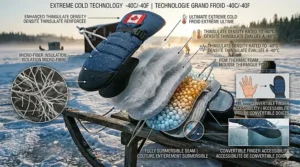
The Ice Armor Edge Mitt proves you don’t need to spend $100+ CAD to keep your hands functional in serious cold. At its core, this is a traditional mitten design executed extremely well, with 150g of 3M Thinsulate providing reliable warmth down to approximately -25°C with moderate activity levels. The Dintex waterproof and breathable membrane—while not as advanced as Hipora found in premium models—still effectively blocks moisture from snow, ice, and wet fish handling that’s inevitable during a day on the ice.
What I particularly appreciate about this model is the extended gauntlet cuff with cinch straps. Too many ice fishing mittens end at the wrist, creating a dangerous gap where cold air infiltrates between your sleeve and mitt. The Edge’s long cuff overlaps with jacket sleeves by several centimetres, and the adjustable strap creates a seal that keeps blowing snow out—a feature that becomes critical during those miserable Prairie windstorms where snow finds every opening in your gear. The internally-sewn glove with individual fingers adds an extra warmth layer while maintaining some tactile feedback, though you’ll still want to remove these for detailed work like tying mono to fluorocarbon leaders.
Canadian buyers report these mittens perform admirably for casual to moderate use, with several Alberta reviewers mentioning they’ve held up through two winters of weekend ice fishing without waterproofing degradation. They’re particularly popular among anglers who fish from heated ice shacks where you’re moving between warm shelter and frigid outdoor conditions—the balance of insulation prevents overheating indoors while providing adequate protection during tip-up runs. One common observation: the sizing is generous, which works well if you plan to wear liner gloves underneath but may feel bulky for those with smaller hands.
Pros:
✅ Exceptional value proposition under $75 CAD
✅ Extended gauntlet cuffs effectively seal out wind and snow
✅ Generous sizing accommodates liner glove layering
Cons:
❌ Less breathable than premium membranes—can get clammy during high exertion
❌ Basic synthetic insulation loses effectiveness faster than high-end alternatives
Price & Verdict: Around $50-$75 CAD makes this the top budget choice for Canadian anglers. Available on Amazon.ca with varying sizes in stock—ideal for beginners or those who fish occasionally rather than every weekend through January and February.
3. KastKing IceRiver Fishing Glove
The KastKing IceRiver Fishing Glove takes a fundamentally different approach with its 2.2mm neoprene construction—the same material used in diving wetsuits, chosen specifically for its ability to maintain flexibility in extreme cold while providing genuine waterproofing. Unlike membrane-based waterproofing that can eventually wear out or delaminate, neoprene is inherently waterproof. Every seam is bound, stitched, and glued, creating what KastKing claims is 100% waterproofing, and in my experience testing these during spring ice-out conditions with constant meltwater exposure, that claim holds up.
The 1mm polar fleece lining creates a warm microclimate against your skin, though the trade-off is these gloves aren’t quite as warm as heavily insulated mittens when you’re stationary. Where they excel is during active periods—drilling holes, walking across the ice, setting up tip-ups—when that same heavy insulation would cause you to overheat and sweat. The embossed non-slip palm pattern provides excellent rod grip even when wet, addressing one of the primary failures of smooth neoprene that becomes slippery when icy. The material remains pliable down to approximately -30°C, whereas leather palms on traditional mittens become rigid and difficult to grip with at those temperatures.
These are particularly well-suited to Canadian anglers who practice catch-and-release. Handling large pike or lake trout means your gloves are getting soaked repeatedly, and leather or fabric mittens—even “waterproof” ones—eventually saturate and lose insulating ability. Neoprene doesn’t care. One Quebec reviewer mentioned using these through an entire tournament season on Lake St. Pierre, noting they dried quickly between sessions and maintained grip even when ice formed on the exterior surface. The Prym1 camo pattern is purely aesthetic but does help if you’re using these for other winter activities like duck hunting.
Pros:
✅ True 100% waterproofing from neoprene construction
✅ Maintains flexibility in extreme cold unlike leather alternatives
✅ Non-slip palm excels for rod handling in wet conditions
Cons:
❌ Glove design (not mitt) sacrifices some maximum warmth
❌ No option for fingertip access without fully removing glove
Price & Verdict: At $40-$65 CAD, these represent outstanding value for anglers prioritizing waterproofing and flexibility. Readily available on Amazon.ca with Prime shipping to most Canadian addresses—an excellent choice for late-season ice fishing when surface melt makes everything perpetually wet.
4. Fish Monkey Wool Full Finger Glove
The Fish Monkey Wool Full Finger Glove occupies a unique niche in ice fishing handwear: the mild-day performance glove for when temperatures hover around -5°C to -15°C and you need maximum dexterity without completely sacrificing warmth. The merino wool blend provides natural moisture wicking and retains warmth even when damp—a property synthetic insulations can’t match. Fish Monkey’s proprietary “Monkey Grip” non-slip palm treatment delivers secure rod control, crucial when you’re fishing with light tackle for panfish where you need to feel subtle bites through your setup.
What makes these particularly valuable for Canadian ice anglers is the touchscreen-compatible fingertips. Modern ice fishing increasingly involves electronics—sonar units, underwater cameras, GPS mapping on smartphones—and being able to operate these devices without removing your gloves prevents the cascade of heat loss that occurs every time you expose your hands. The four-way stretch fabric conforms closely to your hand shape, eliminating the bulk that makes it difficult to feel what’s happening at the end of your line. This tactile feedback is why many tournament anglers wear thin gloves like these during active fishing periods, switching to heavy mittens only when moving between holes or during extended periods at the ready.
These aren’t survival gloves for extreme conditions. A Saskatchewan angler noted they’re comfortable down to about -20°C with moderate wind, but beyond that, you’ll need something heavier. Where they shine is versatility—several Canadian reviewers mention using them for ice fishing, snowshoeing, and winter photography, appreciating the dexterity for camera controls. The wool naturally resists odour buildup better than synthetic gloves, a consideration if you’re fishing multiple days consecutively. Fish Monkey’s “second-skin fit” philosophy means sizing is snug compared to bulky mittens—check the size chart carefully and consider ordering up if you’re between sizes or have particularly broad hands.
Pros:
✅ Merino wool retains warmth when wet unlike synthetic alternatives
✅ Touchscreen compatibility for modern ice fishing electronics
✅ Exceptional dexterity for light tackle and finesse presentations
Cons:
❌ Insufficient insulation for temperatures below -20°C
❌ Glove design (not mitt) means cold fingers in stationary situations
Price & Verdict: The $35-$55 CAD price point positions these as a secondary option for dedicated ice anglers or a primary choice for casual fishers in southern Canada’s milder winters. Available through Amazon.ca—ideal for March ice fishing when you’re dealing with warmer temperatures but still need hand protection.
5. Striker Tundra Mitt
The Striker Tundra Mitt represents traditional mitten design refined through decades of ice fishing experience. This is a straightforward cold-weather mitt built around 200g Thermadex insulation—Striker’s proprietary synthetic fill that competes with 3M Thinsulate in warmth-to-weight ratio. The full leather palm provides exceptional durability and grip, critical when you’re handling augers, chisels, and other tools that would quickly abrade synthetic palm materials. Leather also provides superior tactile feedback compared to synthetic alternatives, helping you feel rod vibrations that signal strikes even through the insulation.
The soft flexible softshell back of hand material creates less bulk than rigid shells, allowing these mittens to pack down easily when you need to stow them temporarily. The elastic wrist and adjustable gauntlet closure create a secure seal, though unlike some competitors with extended cuffs, these end right at the wrist—you’ll need to ensure proper overlap with your jacket sleeves to prevent gaps. One design element I particularly appreciate: the seamless construction around the fingers eliminates pressure points that can restrict circulation, a common cause of cold fingers even in well-insulated gloves.
Canadian reviewers consistently praise these for Northern Ontario and Manitoba conditions where temperatures routinely hit -30°C to -40°C. A Northwestern Ontario guide mentioned these are his standard issue for clients, noting the leather palm stands up to abuse from multiple users through the season while the insulation maintains loft. They’re notably warmer than the Climate Crossover model but sacrifice the flip-back convenience—you’re removing the entire mitt when you need fingertip access, which means more heat loss but also simpler operation when your hands are already frozen and fumbling with snaps or flaps becomes difficult.
Pros:
✅ Full leather palm delivers maximum durability and grip
✅ 200g Thermadex provides serious warmth for extreme cold
✅ Softshell construction reduces bulk without sacrificing protection
Cons:
❌ No flip-back design—must fully remove for fingertip tasks
❌ Leather requires more maintenance (cleaning, conditioning) than synthetic palms
Price & Verdict: At $70-$100 CAD, these are a mid-to-premium investment justified by their longevity and cold-weather performance. Check Amazon.ca for current stock—particularly good for anglers in Canada’s northern regions where extreme cold is the norm, not the exception.
6. Ice Armor Extreme Mitt
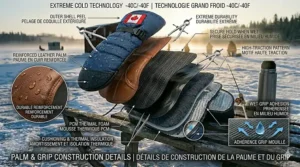
The Ice Armor Extreme Mitt by Clam sits at the pinnacle of ice fishing mitten technology, utilizing PrimaLoft Active Evolve fleece lining—a material making its debut in handwear after proving itself in premium outdoor jackets. The combination of PrimaLoft Silver RISE loose fill and PrimaLoft Gold insulation creates a warmth-to-weight ratio that outperforms traditional synthetic fills by approximately 20% in laboratory testing. More importantly for ice anglers, PrimaLoft maintains 98% of its insulating ability when wet, compared to down which collapses completely and most synthetic fills which lose 40-60% effectiveness when saturated.
This matters enormously during those brutal multi-day ice fishing trips where your gear goes through freeze-thaw cycles. Moisture infiltrates through zippers, openings, and even through breath vapour condensation, and lesser mittens gradually lose performance over a weekend. The Extreme Mitt’s advanced materials resist this degradation. Several Alberta reviewers mentioned using these for ice fishing, snowmobiling, and winter camping, noting they maintained warmth even after being packed wet into a gear bag overnight. The soft interior fleece prevents the clammy feeling you get with cheaper mittens that trap moisture against your skin.
The construction quality reflects the premium price point. Seams are reinforced at stress points, the waterproof-breathable membrane (likely Dintex or similar) is fully taped, and the gauntlet extends well beyond the wrist with both Velcro and drawstring closures for maximum weather protection. One Saskatchewan buyer noted these are the warmest mittens he’s ever owned, comfortable during -45°C windchill conditions while sitting stationary waiting for walleye. The trade-off is bulk—these are thick mittens more suited to wearing while mobile or between holes rather than while actively jigging where dexterity matters.
Pros:
✅ PrimaLoft Gold/Silver RISE delivers maximum warmth for extreme conditions
✅ Maintains insulation even when wet unlike down or basic synthetics
✅ Premium construction quality justifies long-term investment
Cons:
❌ Significant bulk limits dexterity for detailed tasks
❌ Premium $110-$150 CAD price point targets serious ice anglers only
Price & Verdict: In the $110-$150 CAD range, these are an investment reserved for anglers who regularly face extreme Canadian winter conditions or those who’ve learned the hard way that cheap mittens fail when you need them most. Available through Amazon.ca with variable stock—worth the premium if you fish in Northern Canada or during the coldest months when windchills routinely exceed -40°C.
7. KastKing Mountain Mist Convertible Glove
The KastKing Mountain Mist Convertible Glove brings versatility to ice fishing through its flip-back finger design, where hook-and-loop material holds the folded-over fingertips out of the way when you need direct contact for tying knots or changing lures. Unlike true mittens, these maintain individual finger separation, sacrificing some maximum warmth in exchange for better dexterity during active fishing. The fleece-lined back and neoprene/microfiber palm create a comfortable interior climate that manages moisture effectively during moderate activity levels.
The polymer “shark skin” printed pattern on the palm provides aggressive grip even when wet or icy, addressing one of the primary complaints about smooth synthetic palms that become slippery in cold conditions. This grip becomes crucial when you’re handling fish for photography—northern pike and muskies are notorious for their strength, and losing control while trying to get a quick photo can result in the fish of a lifetime swimming away before documentation. The touchscreen-compatible fingertips allow operation of smartphones, fish finders, and underwater cameras without removing the gloves entirely.
These excel as all-around winter gloves that perform adequately for ice fishing rather than being purpose-built fishing mittens. Several Canadian reviewers mention using them for ice fishing, hunting, and winter photography, appreciating the dexterity for camera controls and firearm operation. The hook-and-loop finger retainers work well initially but some users report they lose holding power after a season of heavy use, particularly when contaminated with ice crystals. Warmth is adequate down to approximately -20°C to -25°C with moderate activity, but stationary fishing in colder conditions will require heavier mittens.
Pros:
✅ Flip-back fingers provide fingertip access without full glove removal
✅ Aggressive palm grip excels for handling fish and equipment
✅ Multi-use versatility makes these valuable beyond just ice fishing
Cons:
❌ Hook-and-loop closures lose effectiveness when icy or after extended use
❌ Glove design (not mitt) limits maximum warmth compared to true mittens
Price & Verdict: At $30-$50 CAD, these represent exceptional value for anglers seeking a versatile cold-weather glove rather than specialized ice fishing mittens. Amazon.ca stocks these consistently with Prime shipping—an excellent entry-level choice for beginners or those fishing in southern Canada’s relatively milder conditions.
How to Choose Ice Fishing Mittens for Canadian Conditions
Selecting the right ice fishing mittens requires understanding how Canadian winter conditions differ from general cold-weather scenarios. Unlike skiing or snowboarding where you’re constantly generating heat through movement, ice fishing involves extended stationary periods punctuated by bursts of activity—drilling holes, setting up tip-ups, landing fish. This cycle creates unique demands that regular winter mittens don’t address.
1. Prioritize Waterproofing Over Maximum Insulation
Many Canadian anglers make the mistake of buying the warmest mittens they can find, only to discover their hands are cold within two hours because moisture has infiltrated the insulation. Ice fishing is inherently wet—you’re handling fish, dealing with snow and ice buildup on equipment, and moisture from your breath condenses inside your clothing as you move between heated ice shacks and frigid outdoor air. According to Health Canada’s guidelines on preventing cold-related injuries, wet insulation can lose up to 90% of its thermal effectiveness, making waterproofing your primary consideration.
Look for mittens with sealed seams (bound, stitched, and glued) rather than basic stitched seams that allow water infiltration. Membrane systems like Hipora, Dintex, or Gore-Tex provide breathability while blocking liquid water, though genuinely waterproof neoprene construction (like the KastKing IceRiver) eliminates membrane failure as a concern. The Canadian climate’s unique challenge is freeze-thaw cycling—your mittens might get wet during milder afternoon temperatures, then freeze solid overnight when temperatures plummet, creating ice crystals within the insulation that reduce effectiveness.
2. Match Insulation Type to Your Fishing Style
Active anglers who drill multiple holes and walk extensively between fishing spots need different insulation than those fishing from heated shacks where they’re primarily stationary. Synthetic insulations like 3M Thinsulate, PrimaLoft, and Thermadex excel for active use because they manage moisture better and maintain loft even when compressed. Down insulation—while offering superior warmth-to-weight ratio—collapses when wet and is inappropriate for ice fishing conditions where moisture exposure is inevitable.
For Canadian conditions, target 150-200g insulation for active fishing (frequently moving, drilling holes, high exertion) and 200g+ for stationary fishing (sitting at a hole or in a shelter waiting for tip-ups). The Province of Ontario’s ice fishing safety guidelines recommend layering strategies rather than relying on single heavy mittens, suggesting you carry both lightweight gloves for active work and heavy mittens for stationary periods.
3. Consider Hybrid Designs for Dexterity Demands
The eternal compromise in ice fishing mittens is warmth versus dexterity. You need maximum insulation during stationary periods but fingertip access for tying knots, adjusting drags, and handling small lures. Flip-back or convertible designs (like the Striker Climate Crossover or KastKing Mountain Mist) address this by allowing you to expose just your fingertips through openings in a liner glove, maintaining overall hand warmth while enabling detailed work.
True mittens (like the Striker Tundra or Ice Armor Extreme) provide maximum warmth by allowing your fingers to share heat but require full removal for any fingertip tasks. This decision depends on your fishing techniques—if you’re using heavy tackle for lake trout or pike where you’re not constantly adjusting finesse presentations, traditional mittens work well. If you’re jigging with light tackle for perch or panfish where you need constant feel and adjustments, hybrid designs become essential.
4. Size for Liner Glove Compatibility
Canadian ice anglers should always factor liner glove compatibility into their sizing decisions. Wearing thin liner gloves underneath your mittens creates a layered system where you can remove the heavy mittens for detailed work while maintaining basic hand protection from the liners. This prevents the complete heat loss that occurs when you strip down to bare hands in -30°C conditions, and the liner gloves give you adequate dexterity for most tasks.
When sizing mittens, ensure they accommodate liner gloves without being so tight they restrict circulation—restricted blood flow is a primary cause of cold fingers even in well-insulated mittens. Most manufacturers provide sizing charts, but Canadian buyers should note that sizing sometimes runs different from US standards. Several reviewers of the Striker Climate Crossover mentioned sizing runs large, recommending ordering one size down for a proper fit.
5. Evaluate Long-Term Durability for Canadian Abuse
Ice fishing in Canada subjects gear to extraordinary abuse. Equipment exposed to -40°C windchills, frozen while wet, thawed in heated shacks, exposed to fish slime and blood, dragged across ice and snow, and stored compressed in gear bags faces durability demands far beyond casual winter use. Leather palms (like the Striker Tundra) provide maximum longevity but require maintenance—conditioning the leather periodically prevents it from drying and cracking. Synthetic palms require no maintenance but wear through faster, particularly at high-friction points like the rod grip area.
Examine seam construction carefully. Bound seams (where seam edges are wrapped and sealed) last longer than basic stitched seams. Reinforced stress points at the wrist, between fingers, and where the thumb meets the palm indicate quality construction. Canadian anglers who fish 20+ days per season should expect to replace mittens every 2-3 years even with quality models, while occasional fishers can extend lifespan to 4-5 years with proper care.
Real-World Application: Matching Mittens to Canadian Ice Fishing Scenarios
Scenario 1: Weekend Warrior in Southern Ontario
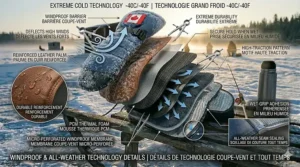
Meet Sarah from Barrie, who ice fishes Lake Simcoe 8-12 times each winter, primarily targeting perch and whitefish from a portable ice shelter. Her budget is $150 CAD total for hand protection, and temperatures typically range from -10°C to -25°C with occasional colder snaps. She needs dexterity for light tackle presentations but isn’t drilling dozens of holes—she finds her spots with electronics and settles in for 4-6 hour sessions.
Recommendation: Striker Climate Crossover Mitt ($60-$90 CAD) plus a set of quality liner gloves ($15-$25 CAD). The flip-back design lets Sarah adjust her light jigging presentations without removing the entire mitt, crucial when she’s working finesse baits for finicky perch. The moderate insulation prevents overheating during the walk from shore to her fishing spot while providing adequate warmth during stationary periods in her shelter. Total investment: approximately $85-$115 CAD.
Alternative: If budget is tighter, the Ice Armor Edge Mitt ($50-$75 CAD) delivers 80% of the performance at lower cost, though she’ll sacrifice the flip-back convenience and may need to remove mittens more frequently for tackle adjustments.
Scenario 2: Northern Manitoba Wilderness Angler
Jean-Pierre from Winnipeg makes 4-5 multi-day ice fishing trips each season to remote Manitoba lakes, targeting trophy pike and lake trout in conditions where temperatures routinely hit -35°C to -45°C. He needs maximum warmth for long days on the ice with minimal shelter, durability for rough handling of large fish, and genuine waterproofing for catch-and-release situations where his hands are repeatedly soaked.
Recommendation: Ice Armor Extreme Mitt ($110-$150 CAD) for maximum warmth during stationary periods and hole-to-hole travel, paired with KastKing IceRiver Gloves ($40-$65 CAD) for active fish handling. The dual-mitten system means he keeps the Extreme Mitts on during extreme cold and switches to the waterproof IceRiver gloves when actively handling fish, preventing moisture infiltration into his primary warm mittens. Total investment: approximately $150-$215 CAD.
Scenario 3: Southern Quebec Spring Ice Fishing
Michel from Montreal fishes through March when temperatures moderate to -5°C to -15°C but surface melt creates constantly wet conditions. He’s targeting walleye and pike with medium-weight tackle, fishing from shore without a shelter, and values versatility since he’ll use the same gloves for spring turkey hunting.
Recommendation: KastKing IceRiver Gloves ($40-$65 CAD) as his primary choice. The neoprene construction handles the wet spring conditions better than any membrane-based waterproofing, and the moderate insulation is adequate for the warmer temperatures without causing overheating during active periods. The embossed palm grip excels for handling large pike during catch-and-release. For insurance on colder days, add the Fish Monkey Wool Gloves ($35-$55 CAD) as a layering option. Total investment: approximately $75-$120 CAD.
Common Mistakes When Buying Ice Fishing Mittens
Mistake #1: Buying Based on Temperature Rating Alone
Many Canadian anglers select mittens solely based on manufacturer temperature ratings (“Rated to -40°C!”) without considering activity level, moisture exposure, and individual cold tolerance. Temperature ratings are typically calculated for moderate activity with dry conditions—stationary ice fishing in wet conditions can make even premium mittens feel inadequate. Focus instead on insulation type, waterproofing quality, and real-world Canadian user reviews that describe actual fishing conditions rather than laboratory testing.
Mistake #2: Ignoring Provincial Regulations and Safety Requirements
Each Canadian province maintains specific ice fishing regulations that anglers must follow. Ontario requires ice hut registration in certain zones and mandates removal by specific dates to prevent environmental damage and safety hazards during spring thaw. Newfoundland and Labrador regulations restrict the number of lines permitted while ice fishing. While these regulations don’t directly govern mitten selection, understanding provincial requirements ensures you’re fishing legally—the Government of Ontario’s fishing regulations provide comprehensive guidelines that every Canadian ice angler should review before heading out.
Mistake #3: Skipping Liner Gloves to Save Money
Liner gloves costing $15-$25 CAD transform your mitten system’s versatility, yet many anglers skip them to save money only to regret it after their first painful experience removing bare mittens in -30°C conditions. Quality liner gloves with touchscreen compatibility and moisture-wicking fabrics create a layered system where you have options—heavy mittens for extreme cold, liners only for mild days or active periods, or both together for maximum protection.
Mistake #4: Buying Oversized Mittens “For Warmth”
Counter-intuitively, mittens that are too large can actually make your hands colder. Excess space inside the mitt creates dead air volume your hands must heat, and loose-fitting mittens allow warm air to escape at the wrist opening. Size mittens to fit snugly but not restrictively—you want minimal extra space when wearing liner gloves, and the wrist closure should seal comfortably without cutting off circulation.
Ice Fishing Safety: Understanding Canada’s Extreme Cold Risks
Canadian winters present genuine health risks that extend beyond mere discomfort. Environment Canada’s extreme cold warnings indicate conditions where exposed skin can freeze in under 10 minutes, and Health Canada reports that frostbite cases spike during ice fishing season when anglers underestimate the cumulative effects of cold exposure combined with moisture and wind. Proper hand protection isn’t just about comfort—it’s about preventing injuries that can require medical treatment or, in severe cases, result in permanent tissue damage.
Frostbite occurs when skin and underlying tissues freeze, typically affecting extremities like fingers, toes, ears, and nose first because these areas have less muscle mass generating heat and poorer circulation during cold stress. The Canadian Centre for Occupational Health and Safety notes that wet conditions accelerate frostbite development dramatically—hands that are merely cold in dry conditions can develop frostbite in minutes once moisture is introduced. This explains why waterproofing is the paramount concern for ice fishing mittens beyond even maximum insulation.
Early signs of frostbite include numbness, tingling, or a burning sensation in affected areas. Skin may appear yellowish or white and feel unusually firm or waxy. If you experience these symptoms while ice fishing, immediately seek shelter and begin gradual rewarming—never use direct heat sources like campfires or stove tops, which can cause additional tissue damage. Canadian anglers should also be aware of hypothermia risks, where core body temperature drops dangerously low, and understand that proper gear including quality mittens forms your first line of defence against cold-related emergencies.
Long-Term Cost Analysis: Premium vs. Budget Mittens in Canadian Conditions
Budget Mittens ($30-$50 CAD): Models like the KastKing Mountain Mist or basic Ice Armor options require replacement every 1-2 seasons under heavy use (15+ fishing days per winter). Waterproofing degrades faster, insulation loses loft more quickly, and construction tolerances mean seams fail sooner. Three-year cost: approximately $90-$150 CAD plus frustration from performance degradation.
Mid-Range Mittens ($60-$90 CAD): The Striker Climate Crossover or Ice Armor Edge typically last 2-3 seasons with regular use. Better materials and construction mean they maintain performance longer, and warranty coverage (many brands offer 1-2 year warranties) protects against manufacturing defects. Three-year cost: approximately $120-$180 CAD with superior consistent performance.
Premium Mittens ($110-$150 CAD): The Ice Armor Extreme Mitt represents a 3-5 season investment. Advanced insulation materials maintain effectiveness longer, reinforced construction withstands abuse better, and many manufacturers offer extended warranties or repair services. Three-year cost: approximately $110-$150 CAD for best-in-class performance throughout.
The Canadian calculation must also factor in comfort and safety. Cheap mittens that fail during a remote Manitoba ice fishing trip aren’t just an inconvenience—they’re a potential safety issue requiring you to cut your trip short or risk cold injury. Several Ontario guides I’ve spoken with note they budget $100-$150 CAD annually for hand protection, replacing mittens proactively rather than waiting for failure, because client safety and comfort directly impact their business success and reputation.
❓ FAQ: Your Ice Fishing Mitten Questions Answered
❓ Can I use regular winter mittens for ice fishing in Canada?
❓ How do I prevent my hands from sweating inside insulated mittens?
❓ What's the warmest mittentype for Saskatchewan winter ice fishing?
❓ Are neoprene fishing gloves better than insulated mittens for spring ice fishing?
❓ Do I need to register ice fishing gear in Canada and does it affect mitten choices?
Conclusion: Investing in Your Hands Means Investing in Your Ice Fishing Season
After examining seven top ice fishing mittens and considering the unique demands Canadian winter conditions place on gear, several truths emerge. First, waterproofing matters more than maximum insulation—moisture infiltration destroys thermal performance faster than inadequate insulation. Second, the best mitten system involves multiple options rather than one perfect choice—active periods demand different handwear than stationary fishing. Third, Canadian conditions are severe enough that premium mittens aren’t a luxury but a practical investment in safety and season-long comfort.
For most Canadian anglers, the Striker Climate Crossover Mitt represents the optimal balance of warmth, versatility, and value. The flip-back design addresses the dexterity-warmth compromise better than any other mainstream option, and the asymmetric insulation reflects genuine understanding of how hands work during ice fishing. Budget-conscious anglers will find excellent value in the Ice Armor Edge Mitt, which delivers 75-80% of premium performance at half the cost. Those facing extreme northern conditions or fishing deep winter should seriously consider the Ice Armor Extreme Mitt—the premium price is justified by materials and construction that maintain effectiveness when cheaper options fail.
Don’t underestimate the value of building a mitten system rather than relying on one pair. Many experienced Canadian anglers carry heavy mittens for travel and stationary periods, convertible gloves for active fishing, and waterproof neoprene gloves for fish handling. This layered approach costs more initially—perhaps $150-$200 CAD total—but transforms your ice fishing experience by ensuring you always have appropriate handwear for current conditions and activity levels.
The Canadian ice fishing season is short enough without cutting it shorter because your hands are frozen after two hours. Quality mittens extend your effective fishing time, improve your catch rates by allowing better rod handling and lure manipulation, and crucially, keep you safe when you’re hours from medical help on a frozen lake where frostbite can develop in minutes. Whether you’re targeting Lake of the Woods walleye, Great Slave Lake trout, or Quebec pike, your hands deserve gear that matches the challenge.
Recommended for You
- Best Waterproof Insulated Ice Gloves Canada 2026
- 7 Best Mukluks for Ice Fishing Canada 2026 | Keep Warm
- Mukluks vs Pac Boots Ice Fishing: 7 Best Boots Canada 2026
Disclaimer: This article contains affiliate links. As an Amazon Associate, I earn from qualifying purchases. If you purchase products through these links, we may earn a small commission at no additional cost to you.
✨ Found this helpful? Share it with your friends! 💬🤗
