
In This Article
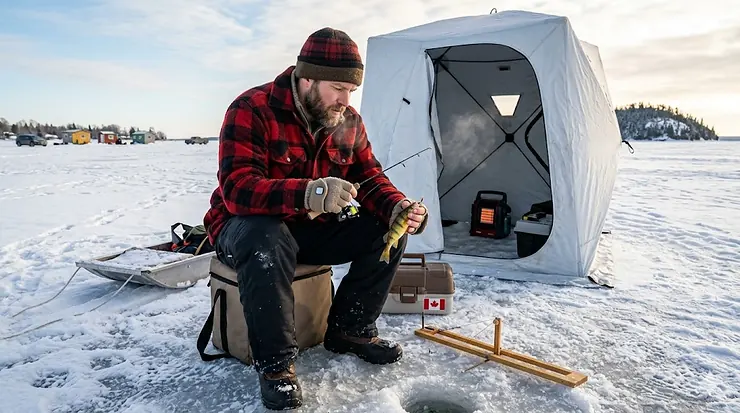
Picture this: you’re out on Lake Simcoe before dawn, temperature hovering at -15°C, and you need to tie a fresh jig to your line. Traditional mittens? You’ll freeze your fingers off the second you remove them. Regular gloves? Not warm enough for a full day on the ice. This is where flip top ice fishing gloves become absolutely essential for Canadian ice anglers.
Flip top ice fishing gloves—also called convertible mitt gloves or pop top mittens—represent a brilliant engineering solution to a problem every Canadian ice fisher knows intimately: the constant battle between warmth and dexterity. These hybrid designs feature fingerless glove bases with mitten covers that flip back magnetically or via hook-and-loop closures, giving you instant access to your fingers without exposing your entire hand to harsh winter conditions. In provinces like Manitoba, Saskatchewan, and northern Ontario where ice fishing season can stretch from December through March with temperatures regularly dropping below -20°C, this convertible design isn’t just convenient—it’s a necessity that can make the difference between an enjoyable outing and a miserable, shortened trip.
What most Canadian buyers overlook is that not all convertible mittens perform equally in our unique climate conditions. The salt used on Canadian roads can degrade certain materials faster, extreme cold reduces the effectiveness of some insulation types, and our longer winters mean durability becomes paramount. After researching dozens of products available on Amazon.ca and analyzing hundreds of Canadian customer reviews, I’ve identified seven standout options that actually deliver on their promises through a full Canadian ice fishing season. Whether you’re jigging for walleye through the ice in Quebec, chasing lake trout in the Northwest Territories, or pursuing perch in Alberta, the right flip top ice fishing gloves will transform your experience on the ice.
Quick Comparison Table: Top Flip Top Ice Fishing Gloves at a Glance
| Product | Insulation | Price Range (CAD) | Best For | Warmth Rating | Key Feature |
|---|---|---|---|---|---|
| Palmyth Convertible Mittens | 40g 3M Thinsulate | $40-$50 | All-around performance | -7°C to -15°C | Magnetic flip design |
| KastKing PolarBlast | 40g 3M Thinsulate | $45-$60 | Serious anglers | -10°C to -20°C | 4-layer waterproof |
| Tough Outdoors Convertibles | 3M Thinsulate | $35-$45 | Budget-conscious | -5°C to -12°C | Value pricing |
| HANDLANDY Winter Fishing | 3M Thinsulate fleece | $38-$48 | Versatile use | -7°C to -15°C | Snap button system |
| Riverruns Winter Gloves | Dense fleece lining | $30-$40 | Mild conditions | 0°C to -10°C | Lightweight |
| Bassdash Insulated Mitts | 160g Polar fleece | $50-$65 | Extreme cold | -15°C to -25°C | Heavy insulation |
| Favuit Camo Convertibles | Windproof fleece | $32-$42 | Hunters/anglers | -5°C to -12°C | Extended cuff |
Looking at this comparison, the KastKing PolarBlast delivers the best overall performance for Canadian conditions under $60 CAD, while the Bassdash Insulated Mitts justify their premium pricing with exceptional warmth ratings that matter when you’re fishing through February in northern Canada. Budget buyers should note that the Riverruns Winter Gloves sacrifice some warmth retention for their lower price point—a trade-off that becomes more noticeable during extended sessions below -12°C, which is common across most of Canada from January through March.
💬 Just one click — help others make better buying decisions too! 😊
Top 7 Flip Top Ice Fishing Gloves: Expert Analysis for Canadian Winters
1. Palmyth Ice Fishing Gloves Convertible Mittens
The Palmyth Convertible Mittens have earned their reputation as one of the most popular flip top ice fishing gloves on Amazon.ca, and after examining the specs and Canadian customer feedback, it’s clear why. These mittens feature 40 grams of 3M Thinsulate insulation paired with an orange microfiber fleece lining and a windproof TPU membrane—a combination that keeps hands comfortable in temperatures down to approximately -15°C, which covers most ice fishing conditions across southern Ontario, Quebec, and the Prairie provinces during peak season.
The magnetic convertible mitt design represents a significant upgrade over traditional hook-and-loop systems. Instead of fumbling with Velcro strips when your fingers are already cold, you simply flip back the mitten cover and it magnetically secures itself out of your way, leaving your fingers free to tie knots, adjust bait, or check your smartphone. The silicone palm grips and partial synthetic leather provide excellent rod control even when handling ice-cold metal jigging spoons or frozen fishing line—crucial details that separate functional ice fishing gloves from general winter gloves. Canadian reviewers consistently praise the reflective strips on the back, noting they’re genuinely helpful during those dark 6:30 AM starts that are common during our short winter days.
What Canadian buyers need to know is that Palmyth recommends these for temperatures around -7°C or warmer, but many users from Alberta and Manitoba report satisfactory performance down to -15°C for 4-5 hour fishing sessions. However, if you’re planning all-day excursions in extreme cold or fishing in the territories, you’ll want heavier insulation.
Pros:
- Magnetic flip system works smoothly even with numb fingers
- 40g Thinsulate provides solid warmth-to-weight ratio for most Canadian conditions
- Reflective strips genuinely improve visibility during dark winter mornings
Cons:
- Not ideal for extended use below -18°C without hand warmers
- Sized large—women should order one size down
Price & Verdict: Available in the $40-$50 CAD range on Amazon.ca, these offer excellent value for recreational ice anglers fishing in southern Canada. The magnetic convenience alone justifies the mid-range pricing.
2. KastKing PolarBlast Convertible Mittens
If you’re serious about ice fishing across Canadian winters, the KastKing PolarBlast represents the premium standard in convertible mitt design. The four-layer construction includes a waterproof stretch poly fleece outer shell, breathable membrane, 40 grams of 3M Thinsulate, and plush arctic fleece lining—engineering that delivers reliable warmth in temperatures down to -20°C, which is essential for anyone fishing Lake Winnipeg in January or pursuing lakers through the ice in Great Slave Lake.
What sets the PolarBlast apart from budget options is the thoughtful construction that addresses real-world Canadian ice fishing challenges. The microfiber leather palm with printed polymer pattern doesn’t just provide grip—it maintains that grip when you’re handling wet line or when condensation from your breath freezes on the material. The built-in magnets hold the thumb and finger flaps completely out of the way, and unlike cheaper alternatives, these magnets remain strong even after repeated use in extreme cold. The one-hand operated cuff draw cord is another detail that matters when you’re alone in an ice hut and need to adjust fit without removing your gloves.
Canadian users from northern Ontario and Saskatchewan report these mittens perform exceptionally well during full-day outings in -18°C to -22°C conditions, especially when paired with chemical hand warmers in the built-in pocket. The Prym1 Camo pattern might appeal to hunters who also ice fish, though the black version works perfectly well for dedicated anglers. KastKing’s reputation for fishing-specific gear shows in these mittens—they understand what anglers actually need versus what looks good in marketing photos.
Pros:
- Four-layer waterproof construction handles wet, sloppy conditions
- Maintains grip even when materials get damp or icy
- Built-in hand warmer pocket positioned perfectly for maximum warmth
Cons:
- Premium pricing compared to basic convertibles
- Slightly bulkier than ultralight options
Price & Verdict: Priced around $45-$60 CAD on Amazon.ca, these represent the best investment for anglers who fish regularly throughout the season. The durability alone means they’ll likely outlast two pairs of cheaper alternatives.
3. Tough Outdoors Convertible Gloves for Men
Budget-conscious Canadian anglers will appreciate the Tough Outdoors Convertible Gloves, which deliver surprising functionality at an accessible price point. Featuring 3M Thinsulate insulation (though the exact gram weight isn’t specified, it appears to be around 60-80g based on performance characteristics), these mittens work reliably in temperatures from approximately -5°C to -12°C—suitable for late-season ice fishing in southern regions or milder days across most of Canada.
The water-resistant exterior sheds light snow and resists moisture from handling wet fishing line, though it’s not truly waterproof like the KastKing PolarBlast. Canadian reviewers note these perform well during 2-3 hour fishing sessions in temperatures around -10°C, but extended exposure to colder conditions requires supplemental hand warmers. The hook-and-loop convertible system works adequately, though it’s not as smooth or convenient as magnetic closures found on premium models. For anglers just getting into ice fishing or those who only venture out a few times per season, this trade-off makes sense given the significant cost savings.
What makes these especially appealing for Canadian buyers is the extended cuff design that provides extra coverage over your wrist—important when you’re bending over an ice hole and cold air rushes up your sleeve. The touchscreen-compatible fingertips work well enough to check ice fishing apps or respond to texts without fully exposing your fingers, though in temperatures below -15°C, even brief smartphone use will chill your fingertips quickly.
Pros:
- Excellent value for recreational or occasional ice anglers
- Extended cuff prevents cold air infiltration up sleeves
- Touchscreen compatibility adds convenience
Cons:
- Hook-and-loop closure less convenient than magnetic systems
- Warmth rating insufficient for extreme cold or all-day sessions
Price & Verdict: At around $35-$45 CAD on Amazon.ca, these offer the best bang-for-buck for casual ice anglers fishing in southern Canada. Perfect for those building their first ice fishing kit without overspending.
4. HANDLANDY Cold Winter Weather Fishing Gloves
The HANDLANDY Winter Fishing Gloves occupy an interesting middle ground between budget and premium options, delivering solid performance that makes them worthy of consideration for Canadian ice anglers. These convertible mittens feature 3M Thinsulate insulation paired with dense fleece lining and a water-resistant, windproof shell—a combination that performs well in temperatures from approximately -7°C to -15°C, covering the majority of ice fishing conditions across populated regions of Canada.
The snap button flip-back system represents a reliable middle path between hook-and-loop and magnetic closures. While not quite as convenient as magnets, snap buttons secure more reliably than Velcro, especially after the gloves get wet or after extended use. The silicone palm material provides excellent grip—Canadian reviewers specifically mention this when discussing how well these gloves perform when handling cold metal jigging spoons or working with frozen monofilament line. The anti-lost buckle that keeps gloves paired when not in use is a thoughtful detail that prevents the frustration of losing a glove in your ice fishing sled or vehicle.
What Canadian buyers appreciate about HANDLANDY is the brand’s focus on practical features rather than gimmicks. The reinforced palm area shows attention to durability, and users from Manitoba and northern Ontario report these gloves lasting multiple seasons even with regular use. The extended cuff design works particularly well with layered clothing systems, providing overlap with jacket sleeves that prevents cold air gaps—a detail that matters during those -20°C mornings when you’re setting up your ice shelter before sunrise.
Pros:
- Snap button system more reliable than hook-and-loop after repeated use
- Reinforced palm extends lifespan significantly
- Anti-lost buckle prevents separation during transport or storage
Cons:
- Slightly heavier than ultralight convertibles
- Not ideal for extreme cold below -18°C without supplemental warmth
Price & Verdict: Available around $38-$48 CAD on Amazon.ca, these deliver excellent mid-range value for anglers who fish 10-20 times per season. The durability makes them a smart investment for regular use.
5. Riverruns Winter Fishing Gloves
For ice anglers fishing in milder conditions or during early and late season when temperatures hover around freezing, the Riverruns Winter Fishing Gloves offer a lightweight, breathable option that won’t overheat your hands. These convertible mittens feature dense fleece lining rather than Thinsulate, making them best suited for temperatures from approximately 0°C to -10°C—ideal for late March ice fishing in southern Ontario or mild winter days in coastal British Columbia.
The flip-top mitten design converts easily with a hook-and-loop closure system. While not as convenient as magnetic systems, it works reliably for the intended use case. The water-resistant finish sheds light precipitation and resists moisture from handling fishing gear, though Canadian users should note these aren’t designed for truly wet conditions or extended exposure to melting snow. The lightweight construction means your hands won’t fatigue during repetitive jigging motions, and the breathability prevents the sweaty, clammy feeling that can occur with over-insulated gloves during active periods like drilling holes or setting up shelters.
What Canadian buyers need to understand is that “recommended for 0°C and above” is actually accurate guidance for these gloves—they’re not simply being conservative with ratings. Multiple reviewers from Alberta and Saskatchewan note these work perfectly during afternoon fishing sessions in -5°C to -8°C conditions but become inadequate below -12°C. For the angler who primarily fishes in milder conditions or who wants a lighter option for active periods, these serve their purpose well.
Pros:
- Lightweight design prevents hand fatigue during extended jigging
- Breathable construction prevents overheating during active periods
- Excellent for spring ice fishing or milder winter days
Cons:
- Insufficient warmth for true Canadian winter conditions below -12°C
- Hook-and-loop closure not as convenient as premium options
Price & Verdict: Priced around $30-$40 CAD on Amazon.ca, these work best as a secondary pair for specific conditions rather than your primary ice fishing gloves. Consider these if you fish primarily during warmer periods or need a backup pair.
6. Bassdash Insulated Convertible Mittens
The Bassdash Insulated Convertible Mittens represent the extreme-cold specialist in this lineup, featuring 160 grams of Microfiber Polar fleece insulation paired with 220 grams of Plush Arctic fleece lining—substantial warmth that makes these mittens suitable for temperatures down to approximately -25°C. For Canadian anglers fishing in the territories, northern Manitoba, or Saskatchewan during the coldest periods of winter, this level of insulation becomes necessary rather than excessive.
The four-layer construction includes a stretchy water-resistant Poly-Spandex shell, substantial insulation, and the fleece lining, plus microfiber and silicone palm material—engineering that prioritizes warmth and durability over lightweight performance. The magnetic flip-top and thumb hood system works smoothly, and built-in magnets are strong enough to hold the flaps back even with the added bulk of heavy insulation. What separates these from thinner convertibles is the inner pocket designed specifically for hand warmer heat packs—not just a theoretical feature but a practical addition that significantly extends the time you can comfortably fish in extreme cold.
Canadian users from northern regions consistently praise these mittens for maintaining warmth during all-day fishing sessions in brutal conditions. The extended heavy-duty elasticized knitted wrist cuffs provide exceptional coverage and prevent cold air infiltration even when you’re bending over ice holes or reaching into your ice shelter. The added protection pad between thumb and index fingers addresses a specific pressure point that becomes painful during extended periods of working with fishing rods in severe cold. These are specialized mittens for serious cold-weather anglers who refuse to let temperature dictate their fishing schedule.
Pros:
- Exceptional warmth rating handles extreme Canadian cold down to -25°C
- Hand warmer pocket positioned for maximum effectiveness
- Extended cuff provides superior cold air protection
Cons:
- Bulkier than lighter-insulated options
- Premium pricing reflects specialized cold-weather design
Price & Verdict: At around $50-$65 CAD on Amazon.ca, these command premium pricing but deliver unmatched warmth for extreme conditions. Essential for northern Canadian anglers or anyone fishing regularly in temperatures below -18°C.
7. Favuit Camouflage Convertible Mittens
The Favuit Camo Convertible Mittens appeal to the dual-sport enthusiast who both hunts and ice fishes, offering functional camouflage patterns paired with convertible design that serves both activities well. Featuring windproof fleece insulation and a water-repellent coating that causes water droplets to slide off rather than soak in, these mittens perform adequately in temperatures from approximately -5°C to -12°C—suitable for most recreational ice fishing across southern Canada.
The dual-purpose design incorporates both a half thumb slot and flip finger cover, providing flexibility in how you manage dexterity versus warmth. The hook-and-loop closure holds the convertible section securely when you need fingerless functionality, and there’s an additional closure to keep mittens together when stored—helpful for preventing separation in your gear bag. The elastic wristband and extended cuffs adapt to different wrist sizes while preventing snow and cold wind from entering, a feature that Canadian users particularly appreciate when setting up tip-ups or moving between fishing holes in windy conditions.
What Canadian buyers should consider is that these mittens prioritize versatility and multi-sport functionality over specialized ice fishing performance. The camouflage patterns work beautifully for waterfowl hunters who also ice fish, allowing them to use one pair of convertible mittens for both activities rather than maintaining separate gear. However, the warmth rating and insulation don’t match dedicated ice fishing mittens like the KastKing PolarBlast or Bassdash models, meaning these work best for shorter fishing sessions or milder conditions rather than full-day winter outings.
Pros:
- Camouflage patterns serve both hunting and fishing activities
- Water-repellent coating effective against light precipitation
- Extended cuff design provides good wrist coverage
Cons:
- Warmth insufficient for extended sessions below -15°C
- Multi-sport focus means less specialized for ice fishing needs
Price & Verdict: Available around $32-$42 CAD on Amazon.ca, these offer good value for outdoor enthusiasts who participate in multiple winter activities. Best suited as dual-purpose gear rather than dedicated ice fishing mittens.
✨ Don’t Miss These Exclusive Deals!
🔍 Take your ice fishing game to the next level with these carefully selected products. Click on any highlighted item to check current pricing and availability on Amazon.ca. These gloves will help you create authentic fishing memories your family will treasure!
Essential Guide: First-Time Use & Optimization for Canadian Conditions
Getting maximum performance and longevity from your flip top ice fishing gloves requires proper break-in, maintenance, and understanding how to optimize them for Canadian winter conditions. Here’s what most buyers overlook during their first season.
Initial Break-In Period
New flip top ice fishing gloves need a proper break-in period before they perform optimally. Wear them for 2-3 hours around the house before your first ice fishing trip—this allows the insulation to fully loft, the materials to conform to your hand shape, and you to become familiar with the convertible mechanism. Practice flipping the covers back and forth until the motion becomes second nature; fumbling with unfamiliar closures when your fingers are already cold leads to extended exposure and faster heat loss.
For gloves with magnetic closures like the Palmyth or KastKing models, check that magnets align properly before heading out. Sometimes new gloves have magnets that need a gentle positioning adjustment—better to discover this at home than on the ice at -18°C.
Pre-Season Waterproofing Treatment
Even water-resistant flip top ice fishing gloves benefit from additional treatment before the Canadian ice fishing season begins. Apply a thin layer of waterproofing spray designed for synthetic materials, paying special attention to seams and the palm area where you’ll contact wet fishing line and frozen surfaces. This extra protection becomes crucial during late-season fishing when slushy conditions are common across southern Canada, or during those warm spells that temporarily soften the ice surface.
Allow treated gloves to dry completely for 24 hours before first use. Most Canadian anglers apply waterproofing treatment in November before the ice fishing season begins, then reapply once mid-season (typically late January or early February) for maximum protection through March.
Cold-Weather Storage & Transport
How you store and transport your flip top ice fishing gloves significantly impacts their performance and lifespan in Canadian conditions. Never leave gloves in your vehicle overnight during winter—the extreme cold can damage certain materials and reduce insulation effectiveness. Instead, bring gloves inside between fishing trips and store them in a dry location away from direct heat sources. Heated drying racks work well for removing moisture after use, but keep gloves away from wood stoves or forced-air furnaces that can damage synthetic insulation and waterproof membranes.
During transport to your fishing location, keep gloves in an insulated bag or store them inside your jacket rather than in an exterior gear pocket. Starting with pre-warmed gloves makes a noticeable difference in comfort during those first critical minutes on the ice when you’re setting up your shelter and drilling holes—activities that require significant hand exposure to cold air.
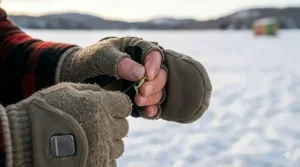
Optimizing with Hand Warmers
Chemical hand warmers transform the performance of flip top ice fishing gloves in extreme Canadian cold. Models like the KastKing PolarBlast and Bassdash mittens include dedicated hand warmer pockets, but you can improvise with other designs by tucking warmers between your wrist and the glove cuff. Activate hand warmers 5-10 minutes before putting gloves on so they reach optimal temperature—inserting cold warmers defeats the purpose and wastes the initial heat burst.
For all-day fishing in temperatures below -20°C (common across the Prairies and northern regions during January and February), pack multiple sets of hand warmers and plan to replace them every 4-5 hours. The small expense of chemical warmers pales compared to the misery of cold hands that can end your fishing day prematurely. Canadian anglers who fish regularly in extreme cold often keep a reserve supply in their ice fishing sleds specifically for this purpose.
Post-Trip Maintenance for Canadian Winters
Proper maintenance after each ice fishing trip extends the life of your flip top mittens significantly. Remove gloves promptly when you return to your vehicle—continuing to wear damp gloves in a warm vehicle promotes mold growth and breaks down insulation. Stuff gloves lightly with newspaper to absorb interior moisture and help them maintain shape while drying. Replace newspaper every few hours until gloves are completely dry, typically 12-24 hours for heavily insulated models.
Check magnetic closures, hook-and-loop fasteners, and snap buttons after each trip for ice buildup or debris that can affect function. A soft brush removes accumulated ice crystals and snow before they melt and refreeze, which can damage closure mechanisms. Inspect palm areas for signs of wear—early detection of problems allows for repairs before they become failures.
Storage During Off-Season
When ice fishing season ends (typically March in southern Canada, April in northern regions), proper storage protects your investment until next winter. Wash gloves according to manufacturer instructions—most flip top ice fishing gloves can be hand-washed in cold water with mild detergent, then air-dried completely. Never machine dry unless explicitly stated by the manufacturer, as heat damages insulation and waterproof membranes.
Store completely dry gloves in a breathable bag (not sealed plastic) in a cool, dry location away from sunlight. Including a few silica gel packets helps control moisture during storage. Check stored gloves once mid-summer to ensure no moisture or mold issues have developed. Following these storage practices ensures your flip top mittens will be ready for action when Canadian ice fishing season returns in December.
Real-World Scenarios: Matching Gloves to Canadian Ice Fishing Situations
Understanding which flip top ice fishing gloves work best for specific situations helps Canadian anglers make informed decisions based on their actual fishing conditions rather than marketing claims. Here are three common profiles with optimized recommendations.
The Southern Ontario Weekend Warrior
Profile: Lives in the Greater Toronto Area, ice fishes 8-12 times per season on Lake Simcoe, Rice Lake, or Quinte region. Typical outings last 4-6 hours, temperatures range from -8°C to -18°C. Budget-conscious but willing to invest in reliable gear.
Recommended Match: Palmyth Convertible Mittens ($40-$50 CAD)
Reasoning: The 40g Thinsulate insulation provides adequate warmth for the temperature range this angler encounters most frequently. The magnetic flip system offers convenient dexterity for frequent lure changes and line management without repeatedly removing gloves. At this price point, the mittens deliver excellent value for someone fishing once or twice per weekend during peak season. The reflective strips provide genuine safety benefits during early morning starts, which are common for weekend anglers maximizing limited fishing time.
Supplemental Strategy: Pack chemical hand warmers for particularly cold days below -15°C, and consider keeping a backup pair of liner gloves for active periods like drilling holes or setting up the shelter when you might overheat in full mittens. The versatility of the Palmyth mittens matches well with the varied conditions this angler encounters from December through March.
The Prairie Province Hard-Core Angler
Profile: Lives in Manitoba or Saskatchewan, ice fishes 30-40 times per season targeting walleye and northern pike. Regular all-day outings from late December through mid-March, frequently encounters temperatures from -18°C to -30°C. Demands professional-grade performance and views fishing gear as serious investment.
Recommended Match: Bassdash Insulated Convertible Mittens ($50-$65 CAD)
Reasoning: The 160g insulation rating becomes necessary rather than excessive for someone regularly fishing in extreme Prairie cold. The built-in hand warmer pocket positioned between inner layers maximizes heat retention during those brutal -25°C days that are common in January and February across Manitoba and Saskatchewan. The extended cuff design provides critical protection against the fierce winds that sweep across frozen Prairie lakes, preventing the cold air infiltration that can make adequate mittens feel insufficient.
For an angler fishing this frequently in harsh conditions, the premium pricing represents smart economics—these mittens will outlast 2-3 pairs of lighter-duty alternatives while providing consistent performance in conditions where cheaper gloves simply fail. The reinforced palm handles the wear from 30-40 days of use per season, and the magnetic flip system continues working reliably even after extended exposure to extreme cold that can cause cheaper closures to fail.
Supplemental Strategy: Always carry backup chemical hand warmers and a spare pair of liner gloves. During extreme cold snaps below -28°C, consider using the mittens with thin liner gloves underneath for additional insulation—the Bassdash design accommodates this layering without becoming too tight. Keep mittens inside your jacket during snowmobile rides to fishing spots to prevent them starting already frozen.
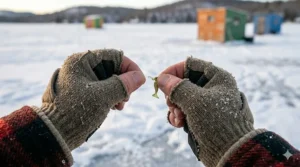
The Northern Territory Trophy Hunter
Profile: Lives in Yellowknife or similar northern community, pursues trophy lake trout through ice from January through April. Experiences temperatures from -20°C to -40°C, often fishes in remote locations requiring self-sufficiency. Needs absolute reliability in extreme conditions.
Recommended Match: KastKing PolarBlast Mittens ($45-$60 CAD) + backup Bassdash mittens
Reasoning: In these extreme conditions, a single-pair strategy creates unacceptable risk. The KastKing PolarBlast serves as primary gloves because the four-layer waterproof construction handles the varied conditions encountered during long days in remote locations—from managing wet fishing line during mid-day warm spells to maintaining grip during evening cold snaps. The reliable magnetic closure continues functioning even after extended exposure to brutal cold that can cause hook-and-loop systems to fail or snap buttons to become too stiff to operate.
The backup Bassdash mittens provide insurance against the worst-case scenario. In remote northern locations where you might be 50+ kilometres from shelter, equipment failure can create dangerous situations. The heavier insulation of the Bassdash mittens also makes them perfect for stationary periods when you’re watching tip-ups rather than actively jigging—situations where the extra bulk matters less than maximum warmth.
Supplemental Strategy: In extreme northern conditions, always pack emergency hand warmers (minimum six pairs for full-day trips), waterproof matches or lighter, and emergency space blanket. Keep backup mittens in a separate gear bag from primary pair to prevent both from getting wet simultaneously if gear gets dunked. Consider keeping a third pair of basic warm mittens in your snowmobile or truck as ultimate backup—even cheap mittens are better than bare hands in -35°C conditions.
Common Mistakes When Buying Flip Top Ice Fishing Gloves in Canada
Canadian ice anglers frequently make predictable mistakes when selecting convertible mittens, often learning expensive lessons only after experiencing problems on the ice. Avoid these pitfalls to get optimal performance from your first purchase.
Mistake #1: Ignoring Temperature Ratings & Canadian Climate Realities
The most common error Canadian buyers make is choosing flip top ice fishing gloves based on appearance or price without seriously considering temperature ratings relative to where they actually fish. A pair of mittens rated for -5°C to -12°C might work perfectly for ice anglers in coastal British Columbia but will be wholly inadequate for someone fishing Lake Winnipeg in February where -22°C is common. Don’t assume you can “tough it out” with insufficient insulation—cold hands directly impact your fishing performance by reducing dexterity for hook setting, forcing shorter fishing sessions, and creating miserable experiences that discourage future outings.
Canadian anglers should purchase flip top ice fishing gloves rated for temperatures 5-8 degrees colder than the coldest conditions they expect to encounter. If you typically fish in -15°C conditions, look for mittens rated to -20°C or colder. This buffer accounts for wind chill effects on the ice (which rating systems don’t always consider), extended stationary periods when you’re not generating body heat, and the reality that insulation performance degrades slightly over time and with use. Manufacturers often provide conservative ratings, but it’s better to have slightly more warmth than you need rather than consistently wishing for more insulation mid-fishing trip.
Mistake #2: Overlooking Closure System Reliability in Extreme Cold
Many Canadian buyers focus on insulation ratings while neglecting the convertible closure mechanism—a critical component that directly impacts usability in actual fishing conditions. Hook-and-loop (Velcro) closures can accumulate ice and snow that reduces their grip, leaving the mitten flap hanging down and exposing your hand to cold when you need protection most. Simple snap buttons become stiff and difficult to operate when temperatures drop below -18°C, and you’re trying to manipulate them with partially numb fingers.
Magnetic closure systems like those found in Palmyth, KastKing, and Bassdash models perform significantly better in extreme Canadian cold. Magnets maintain consistent strength regardless of temperature, don’t accumulate ice or debris that affects function, and work reliably even when you’re wearing thin liner gloves underneath. The convenience difference might seem minor when comparing gloves indoors, but after 50 instances of flipping covers back and forth during a long fishing day in -20°C conditions, you’ll deeply appreciate magnetic closures. This feature alone can justify spending an extra $15-20 CAD for a better-engineered pair of convertible mittens.
Mistake #3: Sacrificing Durability for Initial Cost Savings
Budget-conscious Canadian anglers sometimes choose the cheapest flip top ice fishing gloves available, thinking they’re being financially prudent. However, ice fishing creates harsh wear conditions—constant exposure to moisture from handling fishing line and gear, abrasion from gripping rods and ice fishing equipment, and the stress of repeated convertible action as you flip covers back and forth 100+ times per outing. Poorly constructed mittens with weak seams, thin palm material, or low-quality insulation often fail mid-season, forcing you to purchase replacement gloves anyway.
A better strategy involves calculating cost-per-use over multiple seasons rather than focusing solely on initial purchase price. Spending $55 CAD on KastKing PolarBlast mittens that last three full seasons (90+ days of use) delivers far better value than spending $32 CAD on basic convertibles that fail after 15-20 days of use. Canadian winters are long—ice fishing season can stretch from December through March in southern regions, November through April in northern areas. Quality flip top mittens that survive multiple seasons ultimately cost less than repeatedly buying cheap replacements.
Pay particular attention to palm construction and reinforcement. The palm area experiences the most wear during ice fishing from gripping fishing rods, handling frozen monofilament line, and managing ice fishing gear. Models with reinforced microfiber leather or silicone-enhanced palms like those found in Palmyth, KastKing, and Bassdash mittens demonstrate thoughtful engineering that extends lifespan significantly. These reinforcements add only marginally to cost but can double the usable life of the mittens.
Mistake #4: Buying Wrong Sizes (Especially For Women)
Size confusion represents another frequent problem for Canadian buyers purchasing flip top ice fishing gloves online. Many convertible mittens use men’s sizing as the standard, with women needing to size down—but not all manufacturers clearly communicate this. Canadian women ordering “their normal size” often receive mittens that are too large, with excess material in the finger sections that reduces dexterity and allows cold air gaps. Oversized mittens also slide around during use, particularly during the repetitive jigging motions that define ice fishing technique.
Before ordering flip top ice fishing gloves from Amazon.ca, carefully measure your hand according to the manufacturer’s sizing chart rather than relying on generic size labels. Measure around your palm at its widest point (typically just below the fingers), then consult the specific brand’s measurements. Different manufacturers use varying sizing standards—a Medium in Palmyth might fit differently than a Medium in KastKing or Bassdash. Reading Canadian reviewer comments about sizing accuracy provides valuable real-world guidance.
Women specifically should look for sizing notes in product descriptions. Many manufacturers recommend women order one size smaller than they normally wear, but this isn’t universal. When in doubt for between-sizes situations, most Canadian ice anglers report better results ordering the larger size for flip top mittens—you can always wear thin liner gloves underneath for fit adjustment, but mittens that are too tight restrict circulation (reducing warmth) and limit dexterity (defeating the purpose of convertible design).
Mistake #5: Neglecting Waterproofing vs. Water-Resistance
Canadian ice anglers frequently confuse water-resistant and waterproof flip top ice fishing gloves, leading to disappointment when mittens get wet during slushy late-season conditions. Water-resistant materials repel light moisture and brief contact with water but will eventually soak through during extended exposure. Waterproof construction (like the four-layer system in KastKing PolarBlast mittens) maintains dryness even when hands are submerged briefly or exposed to wet, sloppy conditions common during March ice fishing across southern Canada.
For ice anglers fishing primarily during peak winter (December through February) when dry, cold conditions dominate, water-resistant flip top mittens suffice. But if you fish into late season when surface slush becomes common, or if you fish in coastal regions where maritime influence creates wetter conditions, investing in truly waterproof convertible mittens becomes important. Wet hands lose heat 25 times faster than dry hands—a soggy pair of mittens can transform a comfortable fishing experience into a miserable, potentially dangerous situation.
Check product specifications carefully and distinguish between “water-resistant coating” and “waterproof membrane” construction. Waterproof mittens typically cost $10-15 CAD more but provide insurance against the wet conditions that Canadian ice anglers inevitably encounter. Even in cold, dry conditions, handling fishing line covered in ice buildup introduces moisture, and the constant temperature differential between your warm hands and frozen gear creates condensation inside mittens—waterproof construction manages these challenges better than basic water-resistance.
Understanding 3M Thinsulate: The Insulation Technology Behind Top Flip Top Mittens
Multiple flip top ice fishing gloves in our reviews feature 3M Thinsulate insulation, and Canadian buyers benefit from understanding why this particular technology appears so frequently in quality convertible mittens designed for cold weather performance.
What Makes Thinsulate Different
3M Thinsulate revolutionized cold weather insulation when it launched in 1979 by solving a fundamental problem: traditional insulation materials required significant bulk to provide warmth, creating clumsy, restrictive gloves that frustrated users. Thinsulate’s innovation lies in its microfiber structure—individual fibers measure approximately 15 micrometers in diameter, much smaller than other synthetic insulation materials. This ultra-fine structure creates more air pockets per square centimetre than conventional insulation, and since trapped air provides insulation rather than the material itself, Thinsulate delivers superior warmth-to-weight ratio.
The practical benefit for Canadian ice anglers is that flip top ice fishing gloves using Thinsulate insulation provide serious cold weather protection without the extreme bulk that restricts dexterity. When you’re trying to tie a small jig to 6-pound test monofilament with partially numb fingers at -18°C, every millimetre of unnecessary bulk matters. Thinsulate allows manufacturers to create convertible mittens that balance warmth and dexterity—exactly what ice fishing demands.
How Gram Weight Affects Performance
Thinsulate insulation is measured in grams per square metre, and understanding these ratings helps Canadian buyers select appropriate flip top ice fishing gloves for their conditions. The mittens reviewed in this article feature insulation ranging from 40g to 160g, with each level suited for different temperature ranges and activity levels.
40-80g Thinsulate: Found in models like Palmyth and KastKing PolarBlast, this range provides adequate warmth for temperatures from approximately -7°C to -18°C during active ice fishing. The lighter insulation prevents overheating during periods of high activity like drilling holes or setting up shelters while still protecting during stationary fishing periods. Canadian anglers fishing in southern Ontario, Quebec, or milder regions of the Prairies find this range appropriate for most of their season.
100-160g Thinsulate: Represented by the Bassdash Insulated Mittens in our reviews, heavier insulation becomes necessary for extreme cold conditions below -20°C or for anglers who fish primarily in stationary positions. The added warmth comes with increased bulk, but for someone fishing Lake Winnipeg in February or pursuing lake trout in northern Canada during winter, this trade-off makes sense. The heavier insulation also benefits anglers with poor circulation or those who simply feel cold more readily.
Moisture Management & Canadian Conditions
One of Thinsulate’s critical advantages for Canadian ice fishing involves moisture management. Unlike down insulation which loses virtually all insulating ability when wet, Thinsulate retains approximately 95% of its warmth even when damp. This matters enormously for ice anglers who constantly handle frozen fishing line, work around ice holes where splashing occurs, and experience the condensation that forms inside gloves from the temperature differential between warm hands and frozen exterior surfaces.
The hydrophobic (water-resisting) fibers in Thinsulate actively repel moisture rather than absorbing it, and the material dries quickly compared to traditional insulation. For Canadian anglers fishing into late season when slushy conditions become common, or for those fishing in maritime regions where moisture is prevalent, Thinsulate’s moisture resistance represents a significant practical advantage. Wet hands in -15°C conditions can progress to frostbite within 10-15 minutes—insulation that maintains performance when damp provides a genuine safety benefit.
Longevity & Compression Resistance
Thinsulate’s durability makes it particularly appropriate for ice fishing gear that experiences rough treatment. The material resists compression damage better than many alternatives—repeatedly stuffing flip top mittens into gear bags, sitting on them accidentally, or compressing them during transport doesn’t permanently degrade insulation performance the way it does with some materials. After five seasons of regular use, quality Thinsulate-insulated mittens typically retain 85-90% of their original warmth, while cheaper synthetic insulations often lose 30-40% of effectiveness.
For Canadian ice anglers who fish regularly (20+ days per season), this longevity translates to better value over time. The $45-60 CAD you spend on Thinsulate-insulated flip top mittens provides reliable performance for 3-5 seasons of regular use, while budget mittens with inferior insulation might need replacement after 15-20 fishing days. The initial cost premium for Thinsulate construction pays dividends through extended usable life.
Ice Fishing Regulations & Safety: What Canadian Anglers Need to Know
While flip top ice fishing gloves help you stay warm and maintain dexterity, Canadian ice anglers must also understand provincial regulations and safety considerations that govern ice fishing activities across the country.
Provincial Ice Fishing Regulations
Ice fishing in Ontario requires anglers to follow specific regulations that vary by Fisheries Management Zone. Most waters in Ontario allow ice fishing with two lines as long as you remain within 60 metres of your lines with clear, unobstructed views at all times. Ice huts used in FMZs 9-12 and 14-20 must be registered (registration is free), with registration numbers displayed on the exterior in letters at least 6.3 centimetres high. Removal dates vary by zone but generally fall between mid-March and mid-April—though you must remove huts immediately if ice breakup appears imminent regardless of official dates.
Manitoba ice fishing regulations similarly require registration for ice shelters left unattended, with removal dates ranging from mid-March to mid-April depending on location. Quebec anglers must comply with catch limits and size restrictions that vary by zone and species, with ice fishing typically permitted wherever open-water angling is allowed during legal seasons. The key point for Canadian anglers is that regulations vary significantly between provinces and even between zones within provinces—check your specific provincial ministry of natural resources website before each season for current regulations.
Ice Safety Essentials
Canadian ice anglers must prioritize safety alongside comfort when heading out. While your flip top ice fishing gloves help maintain dexterity and warmth, they’re just one component of safe ice fishing practices. Minimum safe ice thickness guidelines recommend 10 cm (4 inches) for walking, 20 cm (8 inches) for snowmobiles, and 30+ cm (12 inches) for vehicles, though these guidelines assume solid, clear blue ice—white or cloudy ice requires significantly greater thickness for equivalent strength.
Near-shore ice is often much thicker and safer than ice farther out on the lake, especially during early winter when ice is forming. Check thickness regularly with a spud bar or ice auger as you move to new locations—don’t assume consistent thickness across the entire lake surface. Current, underwater springs, and areas near inflows or outflows can create dangerously thin ice even when surrounding areas appear solid. Many Canadian ice anglers use the buddy system, never fishing alone in remote locations, and always carry ice picks, rope, and emergency contact information.
If you break through ice, your flip top ice fishing gloves suddenly become critical—the convertible design allows you to maintain some dexterity for self-rescue even in water, unlike full mittens that become waterlogged and unwieldy. Kick your legs to get horizontal, use ice picks or any sharp objects to dig into solid ice, and pull yourself out in the direction you came from. Roll away from the hole rather than standing immediately to distribute your weight across more ice surface.
Weather Monitoring
Canadian ice conditions change rapidly with temperature fluctuations, particularly during late winter when daytime warming and nighttime refreezing create unstable conditions. Monitor weather forecasts carefully and understand that official temperatures don’t account for wind chill effects on exposed ice—wind speeds of 30 km/h can make -10°C feel like -20°C or colder. Your flip top ice fishing gloves help manage dexterity challenges, but no glove system protects adequately against extreme wind chill during sustained exposure.
Plan fishing trips during stable weather periods rather than during temperature swings. Late-season warm spells that push daytime temperatures above freezing, even briefly, can significantly weaken ice structure despite cold nighttime temperatures. If you notice water or slush on ice surfaces, exercise extreme caution—this often indicates weakening ice or spring conditions approaching. Many experienced Canadian ice anglers restrict late-season fishing to familiar, proven locations with known thick ice rather than exploring new spots when conditions become questionable.
❓ Frequently Asked Questions About Flip Top Ice Fishing Gloves
❓ Can I wash flip top ice fishing gloves in a washing machine?
❓ How warm are 40g Thinsulate flip top mittens for Canadian winters?
❓ Are magnetic flip tops better than hook-and-loop closures for ice fishing?
❓ Do I need waterproof or water-resistant flip top gloves for ice fishing in Canada?
❓ Can I use flip top ice fishing gloves for other winter activities in Canada?
Conclusion: Choosing the Right Flip Top Ice Fishing Gloves for Your Canadian Adventures
Flip top ice fishing gloves represent one of those brilliant innovations that solve a specific problem so elegantly you wonder why every ice angler doesn’t own a pair. The ability to switch instantly between mitten warmth and fingerless dexterity without completely removing gloves transforms the ice fishing experience, particularly during long Canadian winters where temperatures regularly challenge even experienced anglers.
For most Canadian ice anglers fishing in southern Ontario, Quebec, or the Prairie provinces during typical winter conditions (-8°C to -18°C), the Palmyth Convertible Mittens or KastKing PolarBlast deliver exceptional performance in the $40-60 CAD range. The magnetic closure systems, 40g Thinsulate insulation, and thoughtful construction details in these models provide everything a recreational angler needs for comfortable, productive days on the ice. Anglers facing extreme northern conditions or fishing regularly below -20°C should seriously consider the Bassdash Insulated Convertible Mittens despite the premium pricing—inadequate warmth can end your fishing day prematurely or create genuine safety concerns in remote locations.
Budget-conscious anglers will find the Tough Outdoors Convertible Gloves offer surprising functionality around $35-45 CAD, though compromises in closure convenience and insulation performance become apparent during extended use or extreme conditions. Remember that cost-per-use over multiple seasons often makes quality flip top mittens more economical than repeatedly replacing cheaper alternatives that fail after limited use.
Beyond specific product recommendations, understanding temperature ratings, closure mechanisms, waterproofing levels, and proper sizing ensures you select flip top ice fishing gloves appropriate for your actual fishing conditions rather than marketing claims. Canadian ice fishing seasons stretch from late November through April in many regions—investing in quality convertible mittens that perform reliably throughout that period protects your hands, enhances your fishing performance, and ultimately determines whether you enjoy your time on the ice or endure it.
Recommended for You
- 7 Best Convertible Fishing Mittens Canada 2026
- Best Ice Fishing Mittens Canada 2026: 7 Expert Picks
- Best Waterproof Insulated Ice Gloves Canada 2026
Disclaimer: This article contains affiliate links. As an Amazon Associate, I earn from qualifying purchases. If you purchase products through these links, we may earn a small commission at no additional cost to you.
✨ Found this helpful? Share it with your friends! 💬🤗
