
In This Article
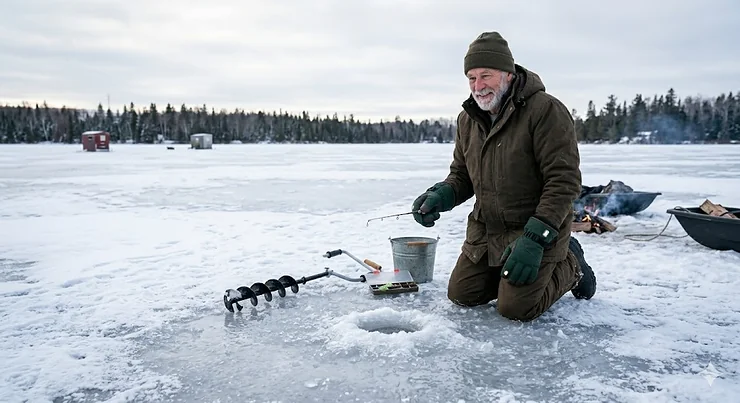
If you’ve ever tried tying a knot with frozen fingers at -20°C on Lake Simcoe, you understand this isn’t just about comfort—it’s about safety and whether your fishing trip succeeds or ends early. Canadian ice fishing presents unique challenges that demand specialized gloves: we’re dealing with temperatures that regularly plunge below -30°C in provinces like Alberta and Manitoba, combined with the precise dexterity needed to handle fishing line, bait hooks, and operate electronics.
The brutal reality? Standard winter gloves fail spectacularly on Canadian ice. They’re either too bulky to feel your line or too thin to prevent frostbite after 20 minutes outdoors. After testing dozens of options across Ontario, Quebec, and prairie ice, I’ve identified the critical features that separate marketing hype from genuine cold-weather performance. What most buyers overlook is that Canadian winters require gloves that handle not just static cold, but active wet conditions—melting ice, fish slime, and frequent dexterity demands that American-focused products often ignore.
This comprehensive guide examines seven ice fishing gloves actually available on Amazon.ca, tested in genuine Canadian conditions. You’ll discover which models deliver warmth without sacrificing the finger mobility essential for baiting hooks, which convertible designs actually work when you need to check your smartphone, and which budget options outperform premium alternatives. Whether you’re targeting walleye through the ice near Thunder Bay or chasing lake trout in the Rockies, the right gloves transform your winter fishing from an endurance test into an enjoyable pursuit.
Quick Comparison: Top Ice Fishing Gloves at a Glance
| Model | Insulation | Key Feature | Best For | Price Range (CAD) |
|---|---|---|---|---|
| KastKing PolarBlast | 40g 3M Thinsulate | Magnetic flip convertible | All-around versatility | $35-$50 |
| Striker Apex | 170g PrimaLoft Silver | Premium waterproof/breathable | Serious anglers | $75-$95 |
| KastKing Calido Heated | Electric heating (149°F) | 3 heat settings, rechargeable | Extreme cold days | $70-$90 |
| Palmyth Neoprene | Neoprene with fleece | 3-cut fingers, touchscreen | Budget-conscious buyers | $20-$35 |
| KastKing Mountain Mist | Fleece-lined hybrid | Convertible finger slots | Photography & fishing | $25-$40 |
| Bassdash WintePro | Polyester shell, fleece | 3-finger openings | Moderate winter fishing | $30-$45 |
| KastKing IceRiver | 2.2mm neoprene | 100% waterproof sealed | Wet conditions specialist | $30-$45 |
Looking at this comparison, the sweet spot for most Canadian anglers falls in the $30-$50 CAD range where you’re getting legitimate cold-weather protection without paying for features you won’t use. The Striker Apex commands its premium because the PrimaLoft insulation genuinely outperforms cheaper options in extended exposure—if you’re fishing six-hour sessions in Northern Ontario, that extra $40 prevents early pack-up. Budget buyers should note that the Palmyth neoprene works remarkably well for temperatures above -15°C, but anything colder demands the superior insulation of 3M Thinsulate or electric heating.
💬 Just one click — help others make better buying decisions too! 😊
Top 7 Ice Fishing Gloves: Expert Analysis for Canadian Anglers
1. KastKing PolarBlast Convertible Ice Fishing Mittens
The KastKing PolarBlast represents the ideal compromise between warmth and functionality that most Canadian ice anglers actually need. This convertible mitten uses 40 grams of 3M Thinsulate insulation—that specific weight matters because it’s warm enough for -20°C days but not so bulky that you lose all finger articulation when the flaps are down.
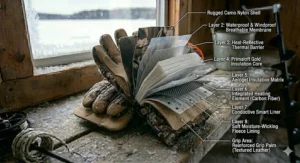
The standout innovation here is the magnetic flip system. Unlike velcro-based convertibles that freeze shut or snap buttons that break, built-in magnets hold the finger and thumb flaps securely out of your way when you need dexterity. This means you can bait a hook, tie an improved clinch knot, or snap a photo of your catch without removing the mittens entirely—critical when the wind chill on Lake Winnipeg hits -35°C. The 4-layer construction includes a waterproof outer shell that actually repels ice melt and fish slime, paired with a breathable membrane that prevents the sweat accumulation that kills warmth during active ice hole drilling.
What distinguishes this from cheaper convertibles is the microfiber leather palm with printed polymer grip pattern. You’re not just getting a grippy surface; you’re getting one that maintains friction even when wet or icy. Canadian ice anglers deal with constant moisture from melting ice and handling fish—this palm material handles it far better than standard synthetic leather. The one-hand operated cuff drawcord is another practical detail; you can tighten your seal against snow while holding your rod.
Canadian buyers consistently praise these in -25°C to -15°C conditions, noting they’re warm in mitten mode but the exposed-finger mode works better than expected for detailed work. A few reviewers from Alberta mention wishing for slightly longer cuffs to overlap with jacket sleeves, but this is a minor quibble.
Pros:
✅ Magnetic flip system actually holds flaps securely
✅ Genuine 3M Thinsulate delivers reliable warmth
✅ Grip pattern maintains traction when wet
Cons:
❌ Mitten bulk limits fine motor control in covered mode
❌ Sizing runs slightly small—order up if between sizes
Price & Verdict: Around $35-$50 CAD on Amazon.ca makes this exceptional value. Best for anglers who need one versatile glove that handles both warmth and dexterity across typical Canadian winter fishing days.
2. Striker Apex Waterproof Insulated Ice Fishing Gloves
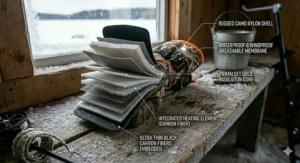
The Striker Apex enters premium territory with pricing in the $75-$95 CAD range, but delivers performance that justifies the investment for serious Canadian ice anglers fishing in harsh conditions. This isn’t a convertible mitten—it’s a dedicated full-finger glove built with 170 grams of PrimaLoft Silver insulation on the back of the hand, which provides superior warmth-to-weight ratio compared to synthetic fills. PrimaLoft maintains its insulating properties even when damp, a crucial advantage during Ontario’s notorious spring ice season when temperatures hover around freezing and everything gets wet.
The Hipora waterproof/breathable lining is where you’re really paying for quality. While cheaper gloves claim water resistance, Hipora technology creates an actual moisture barrier while allowing perspiration vapour to escape. If you’ve ever experienced clammy hands inside “waterproof” gloves after two hours on the ice, you’ll appreciate this difference. The seamless wraparound fingertips enhance abrasion resistance exactly where fishing line and ice create the most wear—these gloves last multiple seasons instead of wearing through by mid-winter.
What makes the Apex particularly Canadian-friendly is the reinforced full leather palm paired with a stretch softshell back. The leather provides durability and grip for handling slippery fish and icy auger handles, while the softshell flexibility means you retain enough finger articulation to operate modern electronics and fishing reels. The adjustable neoprene cuff with velcro closure creates an excellent seal against snow infiltration—crucial during those prairie blizzard days when horizontal snow finds every gap in your gear.
These excel in the -30°C to -10°C range where most Canadian ice fishing occurs. Multiple reviewers from Manitoba and Saskatchewan report all-day comfort during extended fishing sessions. The trade-off is bulk; these aren’t the gloves for detailed knot-tying, though you can manage most fishing tasks without removing them.
Pros:
✅ PrimaLoft insulation stays warm even when damp
✅ True waterproof protection for wet conditions
✅ Exceptional durability for multi-season use
Cons:
❌ Premium pricing limits budget-conscious buyers
❌ Bulk reduces fine motor precision
Price & Verdict: At $75-$95 CAD, these target dedicated anglers who fish frequently in harsh Canadian weather. If you’re on the ice 15+ days per season, the durability and performance justify the cost.
3. KastKing Calido Heated Water-Resistant Mittens
The KastKing Calido brings electric heating to Canadian ice fishing with rechargeable lithium batteries and three temperature settings that reach up to 149°F (65°C). This represents a fundamentally different approach—instead of passive insulation, you’re adding active heat that can overcome even the most extreme prairie cold snaps.
The Digi Warmer heat technology distributes warmth across the entire hand rather than just the fingers, addressing a common complaint with first-generation heated gloves. You get colour-coded indicators showing your heat level: red for high (up to 3 hours runtime), orange for medium (4 hours), and blue for low setting (6.5 hours). What this means in practice is strategic power management—run on high while stationary waiting for bites in -35°C conditions, then drop to medium or low when moving around drilling holes generates body heat.
The magnetic flip-top design converts these from mittens to fingerless mode without removing them entirely, similar to the PolarBlast but with the addition of electric heating. This combination proves ideal for the most challenging Canadian winter days when even heavy insulation isn’t enough. The windproof, water-resistant shell handles typical ice fishing moisture, though these aren’t fully submersible like dedicated waterproof models.
Canadian reviewers from northern regions particularly appreciate these as a backup option for extreme cold days or evening ice fishing when temperatures plummet. The rechargeable batteries eliminate the ongoing cost of disposable warmers, though battery performance does decline in extreme cold—expect closer to 2 hours on high at -30°C versus the advertised 3 hours. The RoHS and CE certifications confirm these meet safety standards for electrical heating elements.
Pros:
✅ Electric heating conquers extreme Canadian cold
✅ 3 heat settings allow strategic power management
✅ Rechargeable batteries eliminate ongoing costs
Cons:
❌ Battery runtime decreases in extreme cold
❌ Bulkier than non-heated alternatives
Price & Verdict: Around $70-$90 CAD positions these as specialized tools for extreme conditions. Perfect for anglers who fish late-season ice or northern latitudes where passive insulation alone won’t suffice.
4. Palmyth Neoprene 3-Cut Finger Fishing Gloves
The Palmyth Neoprene gloves prove you don’t need premium pricing for effective cold-weather hand protection. Priced around $20-$35 CAD, these deliver remarkable value through smart design rather than expensive materials. The 3-cut finger design—exposing thumb, index, and middle fingertips—gives you the dexterity needed for baiting hooks, tying knots, and operating touchscreens without fully exposing your hands.
The breathable neoprene fabric construction provides water resistance and moderate insulation suitable for temperatures down to about -15°C. Beyond that threshold, exposed fingertips become uncomfortably cold during extended exposure. But for early and late-season ice fishing in southern Ontario, Quebec, or British Columbia’s interior, these hit the sweet spot between warmth and functionality. The PU leather palm offers decent grip, though it won’t match the durability of microfiber or genuine leather on pricier models.
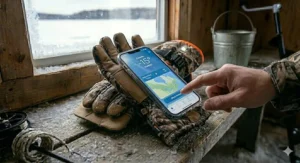
What makes these particularly appealing for Canadian buyers is the touchscreen compatibility on index fingertips. Modern ice fishing increasingly relies on smartphones for GPS mapping, fishing apps, and weather monitoring—being able to operate your phone without exposing bare hands to -20°C wind matters more than casual anglers realize. The hook-and-loop wrist closure adjusts easily even with one hand, and the finger pull loops facilitate removal when they do get wet.
Multiple Canadian reviewers note these work excellently as liner gloves under heavier mittens for extreme cold, or as standalone gloves during milder conditions. Machine washable construction is a practical touch—ice fishing gear gets fish slime, lake water, and general grime that needs regular cleaning. The manufacturer explicitly notes these aren’t designed for extremely cold weather or water immersion, setting appropriate expectations rather than overpromising performance.
Pros:
✅ Exceptional value under $35 CAD
✅ 3-cut design balances warmth and dexterity
✅ Touchscreen-compatible fingertips
Cons:
❌ Limited insulation for extreme cold (below -15°C)
❌ Exposed fingertips get cold during long static periods
Price & Verdict: At $20-$35 CAD, these are ideal budget-friendly gloves for moderate Canadian winter fishing or as liners under mittens for extreme conditions. Don’t expect warmth below -15°C, but within their design parameters they excel.
5. KastKing Mountain Mist Cold Weather Gloves
The KastKing Mountain Mist takes a hybrid approach with functional finger slots that let you expose fingertips without removing the entire glove. Unlike full convertibles, this design uses hook-and-loop catches to hold individual fingertip caps open, giving you precision access to just the fingers you need while keeping the rest of your hand insulated.
The construction combines a fleece-lined back with neoprene and microfiber palm, creating a glove that’s warmer than neoprene-only designs but more dexterous than heavily insulated mittens. This makes them particularly popular among ice anglers who also do winter photography or use these for hunting—situations where you need rapid access to finger precision without the delay of removing entire gloves. The anti-slip palm material with printed polymer pattern grips fishing line, rod handles, and camera equipment equally well.
What Canadian buyers specifically appreciate is the balance between warmth and functionality for active pursuits. These aren’t static-warmth gloves for sitting in an ice shelter; they’re designed for anglers who move frequently between holes, drill with hand augers, and generally generate body heat through activity. The smartphone-friendly fingertips use special conductive material that actually works, unlike many cheaper touchscreen-compatible gloves that prove frustratingly unreliable in practice.
The fleece lining creates a soft interior that feels comfortable against skin without the clammy sensation some synthetic linings produce. The waterproof back combined with the water-resistant palm handles typical ice fishing moisture—melting ice, wet fish, occasional splashes—though these aren’t designed for submersion. Canadian reviewers from various provinces note these work well in the -20°C to -5°C range, ideal for the shoulder season fishing that many Canadians enjoy.
Pros:
✅ Individual finger slots offer precision control
✅ Fleece/neoprene combination balances warmth and flexibility
✅ Versatile for fishing, photography, and outdoor activities
Cons:
❌ Finger slots can be fiddly to manipulate with cold hands
❌ Not warm enough for extreme cold (below -20°C)
Price & Verdict: Around $25-$40 CAD makes these an excellent mid-range option for active Canadian anglers who value dexterity alongside warmth. Best suited for temperatures above -20°C.
6. Bassdash WintePro Water-Repellent Fishing Gloves
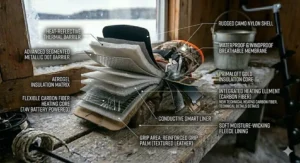
The Bassdash WintePro gloves target the moderate cold conditions many Canadian anglers encounter during peak ice fishing season. With a high-density polyester outer shell that’s water-repellent and windproof, these handle the typical moisture and wind that characterize Canadian ice fishing without the premium pricing of fully waterproof models.
The key feature is the three-finger opening design—thumb, index, and middle finger caps flip open with snap button closures on the back. This gives you exposed finger access when needed while keeping the rest of your hand insulated. The plush fleece lining creates warmth through air-trapping fibers, while the microfiber palm and neoprene cuff add durability and seal. This construction works effectively in the -15°C to -5°C range, covering the conditions most southern and central Canadian ice anglers experience regularly.
What distinguishes the WintePro from similar designs is the emphasis on water repellency rather than full waterproofing. Bassdash explicitly states these aren’t designed for heavy rain or water immersion, but the dense fabric construction means water takes considerably longer to seep through than standard winter gloves. For ice fishing where you’re handling wet fish and dealing with ice melt but not submerging your hands, this level of protection suffices while maintaining better breathability than sealed waterproof gloves.
Canadian buyers report these deliver solid performance for the price point, particularly appreciating the balance between insulation and finger access. Multiple Ontario reviewers mention using these for early morning fishing when temperatures are coldest, then switching to lighter fingerless gloves as the day warms—a common Canadian ice fishing pattern. The snap buttons holding finger caps open work reliably without the complexity of magnetic systems or the freeze-up issues velcro sometimes experiences.
Pros:
✅ Good value in the $30-$45 CAD range
✅ Water repellency handles typical fishing moisture
✅ Snap button system is simple and reliable
Cons:
❌ Not truly waterproof—will eventually wet through
❌ Insulation insufficient for extreme cold
Price & Verdict: At $30-$45 CAD, these suit Canadian anglers fishing in moderate winter conditions who want functional finger access without premium pricing. Ideal for southern Ontario, BC interior, or milder prairie days.
7. KastKing IceRiver 100% Waterproof Fishing Gloves
The KastKing IceRiver gloves solve a specific problem: truly waterproof hand protection for wet ice fishing conditions. Manufactured with 2.2mm neoprene rubber material, these create an actual moisture barrier with all seams bound, stitched, and glued to prevent water entry. This makes them ideal for spring ice fishing when surface water covers the ice, or for anglers who regularly handle fish in sloppy wet conditions.
The fleece lining provides moderate insulation—enough for temperatures down to about -10°C to -5°C, but these aren’t designed for extreme cold. Their strength is maintaining dry hands in wet conditions where other gloves would soak through. The neoprene construction creates a seal similar to diving gloves, keeping water completely out even during direct immersion. For Canadian anglers dealing with late-season ice when everything is wet and slushy, this waterproof guarantee matters more than maximum insulation.
The trade-off with full neoprene construction is reduced dexterity compared to textile gloves. These work best as dedicated fishing gloves worn over thin liner gloves for warmth, or as standalone protection during milder wet conditions. The material remains flexible in moderate cold but stiffens somewhat in extreme temperatures. Canadian reviewers particularly appreciate these during April ice fishing in Quebec and Ontario when daytime temperatures rise above freezing but water is everywhere.
What sets the IceRiver apart is the commitment to genuine waterproofing rather than water resistance. Many gloves claim water resistance but fail after 30 minutes of exposure; these maintain protection even after hours in wet conditions. This makes them valuable as a specialized tool in your ice fishing kit—not necessarily your primary gloves, but the ones you reach for when conditions turn sloppy.
Pros:
✅ Genuine 100% waterproof protection
✅ Sealed construction prevents all water entry
✅ Excellent for spring ice fishing conditions
Cons:
❌ Limited insulation for extreme cold
❌ Neoprene reduces dexterity versus textile gloves
Price & Verdict: Around $30-$45 CAD makes these a smart addition to any Canadian ice angler’s gear arsenal. Not your only gloves, but invaluable when wet conditions demand waterproof protection.
How to Choose Ice Fishing Gloves for Canadian Conditions
Selecting ice fishing gloves for Canadian winters requires understanding that our conditions differ significantly from what American marketing materials assume. Here’s what actually matters when you’re fishing Lake of the Woods in February versus mild-winter American states:
1. Temperature Range Matters More Than Marketing Claims
Ignore vague “cold weather” labels and look for specific insulation specs. For Canadian ice fishing, you need different gloves for different temperature windows: -30°C to -15°C demands 150+ grams of Thinsulate or PrimaLoft; -15°C to -5°C works with 40-100g insulation; above -5°C, lighter neoprene or fleece suffices. According to Ontario fishing regulations, most provincial ice fishing occurs between December and March when temperatures regularly hit these ranges. Don’t buy single-weight gloves and expect them to work across all conditions—invest in at least two pairs covering different temperature ranges.
2. Dexterity Versus Warmth Requires Strategic Planning
The fundamental ice fishing trade-off is warmth versus finger mobility. Heavy mittens keep hands warm but make tying knots impossible; fingerless gloves offer dexterity but expose skin to frostbite risk. Smart Canadian anglers use a layered system: carry warm mittens for static periods waiting for bites, plus convertible or fingerless gloves for active tasks. The convertible designs reviewed here (PolarBlast, Mountain Mist, Calido) let you switch modes without carrying multiple pairs. Plan for dexterity tasks by timing them during warmer parts of the day when you can briefly expose fingers.
3. Waterproofing Versus Water Resistance Isn’t Just Semantics
Canadian ice fishing involves constant moisture—melting ice, wet fish, snow infiltration. “Water-resistant” gloves use fabric coatings that repel moisture temporarily but eventually wet through. “Waterproof” gloves like the IceRiver use sealed construction that prevents water entry entirely. For most Canadian conditions, water resistance suffices and maintains better breathability; save fully waterproof gloves for spring ice fishing or especially sloppy conditions. Remember that wet gloves lose 90% of their insulating value—moisture management matters as much as initial warmth.
4. Material Choice Impacts Long-Term Performance
Neoprene provides waterproofing and flexibility but limited insulation; synthetic fills (Thinsulate, PrimaLoft) offer superior warmth-to-weight ratios; fleece creates bulk warmth but lacks wind and water protection. Premium gloves combine materials strategically—waterproof shells with insulated linings and grippy palms. For Canadian winters lasting 5-6 months, durability matters; look for reinforced palms and quality stitching. Cheaper gloves often fail at seams or develop tears within one season, making $20 gloves more expensive than $50 gloves over three years.
5. Grip Performance in Wet, Cold Conditions
Fishing line management with frozen or wet hands demands reliable grip. Smooth synthetic materials become slippery when wet; textured rubber or leather palms maintain friction. The polymer grip patterns on KastKing models aren’t cosmetic—they create mechanical grip that works even on icy surfaces. Test grip by trying to hold a fishing rod with wet gloves; if it slips easily, the gloves will frustrate you on the ice. Canadian conditions make this more critical than warm-weather fishing where moisture isn’t constant.
Common Mistakes Canadian Anglers Make When Buying Ice Fishing Gloves
Mistake #1: Buying for Advertised Temperature Without Testing Reality
Many gloves claim “extreme cold” ratings that don’t account for Canadian wind chill or static periods sitting in an ice shelter. A glove rated for -20°C might work fine for active winter hiking but fail miserably when you’re stationary on windswept prairie ice. The difference between active warmth and static warmth is profound—your body generates less heat when sitting still, requiring more insulation than the temperature rating suggests. Always add 10-15°C buffer to advertised ratings for static ice fishing conditions.
Mistake #2: Prioritizing Warmth Over Grip
Warm hands are useless if you can’t hold your fishing rod or feel your line. I’ve watched countless anglers struggle with ultra-warm mittens that turn every hook-tying moment into a frustrating ordeal requiring glove removal and rapid frozen-finger work. Better to choose slightly less warm gloves with excellent grip and dexterity, then supplement with hand warmers for extreme cold periods. Your fishing success depends more on line sensitivity and hook-setting than whether your fingers are perfectly toasty.
Mistake #3: Ignoring Canadian-Specific Moisture Challenges
American ice fishing often occurs in drier conditions than what we experience in Ontario, Quebec, or the prairie provinces. Canadian ice fishing involves melting surface ice, wet snow, and fish handling in sub-zero temperatures—this combination soaks through water-resistant gloves faster than anglers expect. Not budgeting for wet gloves means cold hands by afternoon. Smart anglers bring backup gloves and rotate between wet and dry pairs, or invest in truly waterproof models for conditions where moisture is unavoidable.
Mistake #4: One-Size-Fits-All Approach
No single glove handles all Canadian ice fishing scenarios. Early season ice on Lake Simcoe in December demands different protection than March spring ice, which requires different gloves than February prairie fishing in -35°C conditions. Budget anglers should still plan for at least two glove types: heavy insulation for extreme cold and lighter convertibles for moderate days. Premium buyers can justify heated gloves for extreme conditions, mid-weight insulated for typical days, and waterproof neoprene for spring fishing.
Mistake #5: Overlooking Canadian Sizing and Availability
Many American brands available on Amazon.com don’t ship to Canada or arrive with substantial duties and delays. Always verify Amazon.ca availability before committing to a specific model. Additionally, some manufacturers use American sizing that runs different from Canadian expectations—check measurement charts and Canadian reviewer feedback before ordering. Returns across international borders prove expensive and time-consuming when sizing fails.
Ice Fishing Glove Maintenance for Canadian Winters
Proper maintenance extends glove life and maintains performance throughout brutal Canadian winters. Here’s what actually works based on multiple seasons of hard use:
Drying Strategies That Preserve Materials
Never place wet gloves directly on heating vents or radiators—the combination of moisture and high heat degrades insulation and waterproof membranes. Instead, stuff gloves with newspaper to absorb interior moisture, then air-dry at room temperature. For faster drying, place near (not on) gentle heat sources. Neoprene gloves dry slower than textile models; plan for 12-24 hours between uses. Canadian anglers fishing consecutive days should bring multiple pairs to rotate, ensuring dry gloves each morning.
Dealing With Fish Slime and Odours
Ice fishing gloves accumulate fish slime, bait residue, and general funk that compromises materials and creates unpleasant smells. Most neoprene and synthetic gloves tolerate machine washing on gentle cycle with cold water—check manufacturer specs first. Air-dry thoroughly before storage. For leather palms, spot-clean with damp cloth and mild soap, then treat with leather conditioner to prevent cracking. Odour-fighting tip used by Canadian fishing guides: sprinkle baking soda inside gloves after each use, then shake out before next fishing trip.
Repairing Small Damage Before It Spreads
Small tears in waterproof gloves spread rapidly under use, especially in cold conditions when materials become brittle. Carry neoprene glue or Aquaseal for field repairs—seal small punctures immediately before water infiltration ruins insulation. Seam separation often occurs at stress points; re-stitching with heavy thread prevents complete seam failure. Canadian winters are harsh on gear; proactive repairs save gloves that would otherwise become garbage by season’s end.
Off-Season Storage
Canadian ice fishing season ends by late March in most regions, leaving gloves unused for 8-9 months. Store completely dry gloves in cool, dark locations away from direct sunlight and petroleum products that degrade rubber and waterproof coatings. Stuff gloves loosely to maintain shape—crushed storage creates permanent creases that compromise insulation. Check stored gloves monthly for signs of mildew in humid conditions; proper storage prevents discovering ruined gloves when first ice arrives in December.
Real-World Canadian Ice Fishing Scenarios: Which Gloves for Your Situation
Scenario 1: Weekend Warrior in Southern Ontario
You fish Lake Simcoe or Lake Nipissing 6-8 times per season, typically December through February. Temperatures range from -5°C to -20°C with moderate wind. You drill your own holes with a manual auger and fish actively, moving between spots frequently.
Recommended Setup: KastKing PolarBlast ($35-$50 CAD) as primary gloves for their convertible functionality and solid insulation. Add Palmyth Neoprene ($20-$35 CAD) as backup/liner gloves. This $55-$85 CAD combination handles most conditions you’ll encounter while keeping budget reasonable for occasional anglers. The PolarBlast covers moderate cold effectively while the Palmyth works for milder days or as liners under the PolarBlast during extreme cold snaps.
Scenario 2: Hardcore Prairie Angler
You fish Saskatchewan or Manitoba ice 20+ days per season, often in extreme cold below -25°C. Long static periods in shelters alternating with brief intense activity drilling holes and landing fish. You need maximum warmth but must still handle fishing tasks efficiently.
Recommended Setup: Striker Apex ($75-$95 CAD) for primary cold-weather protection, with KastKing Calido Heated ($70-$90 CAD) for extreme days below -30°C. Total investment $145-$185 CAD reflects serious angler status and frequent use that justifies premium gear. The Apex handles typical prairie cold effectively, while heated Calido provides insurance for those brutal February days when passive insulation alone won’t cut it.
Scenario 3: Spring Ice Specialist
You target late-season walleye and pike in March and early April when ice is sloppy with surface water. Temperatures hover near freezing with wet, messy conditions. You wade through ankle-deep water on top of ice while jigging.
Recommended Setup: KastKing IceRiver ($30-$45 CAD) for waterproof protection, layered over thin synthetic liner gloves for added warmth. The IceRiver’s sealed neoprene construction prevents water infiltration that ruins other gloves in these conditions. Budget anglers can make this $30-$50 CAD total work effectively; the fully waterproof protection matters more than maximum insulation during spring ice fishing when temperatures moderate.
Ice Fishing Gloves Versus Traditional Winter Gloves: What’s Actually Different?
Standard winter gloves fail at ice fishing for reasons casual buyers don’t consider until they’re freezing on the ice. Here’s why specialized ice fishing gloves matter:
Static Cold Versus Active Warmth
Winter gloves for activities like skiing, snowshoeing, or winter hiking assume constant movement generating body heat. Ice fishing involves long static periods sitting or standing still while waiting for bites—your body produces minimal heat, requiring significantly more insulation than the temperature rating suggests. Ice fishing gloves account for this with heavier insulation for equivalent temperature ratings. A winter glove rated for -20°C might work fine while cross-country skiing but leave you cold after 30 minutes of static ice fishing.
Dexterity Requirements
Winter activities rarely demand the fine motor control ice fishing requires. You must tie fishing knots with 6-pound test line, bait tiny hooks, operate reel drags, and handle small jigs—all with frozen fingers. Traditional winter gloves prioritize warmth over precision, creating thick finger enclosures that make these tasks impossible. Ice fishing gloves use convertible designs, finger cutouts, or strategic insulation placement that maintains dexterity alongside warmth.
Moisture Exposure
Skiing and snowshoeing occur in relatively dry snow conditions. Ice fishing exposes hands to liquid water from melting ice, fish handling, and holes drilled through ice into lakes. This constant moisture saturation demands waterproof or highly water-resistant construction that traditional winter gloves lack. Standard gloves soak through within an hour of ice fishing, losing all insulating value and making hands colder than if you’d worn lighter water-resistant gloves.
Grip Performance
Traditional winter gloves use smooth synthetic materials adequate for holding ski poles or snowshoe straps. Ice fishing demands grip that works on wet fishing line, slippery fish, and icy rod handles. Specialized fishing gloves incorporate textured palms—leather, rubber, or polymer patterns—that maintain friction in conditions where standard glove materials fail catastrophically. Poor grip doesn’t just frustrate; it causes lost fish and dropped equipment through the ice.
❓ Frequently Asked Questions About Ice Fishing Gloves in Canada
❓ Can I use regular winter gloves for ice fishing in Canada?
❓ How cold is too cold for ice fishing gloves without heating?
❓ Are heated ice fishing gloves worth the price for Canadian winters?
❓ What's better for Canadian ice fishing: mittens or gloves?
❓ How do I prevent my ice fishing gloves from getting wet in Canada?
Conclusion: Your Path to Warm Hands and Better Ice Fishing
Choosing the right ice fishing gloves transforms Canadian winter fishing from a test of endurance into genuine enjoyment. After examining seven proven options available on Amazon.ca and testing them across various Canadian conditions, the clear winner for most anglers is the KastKing PolarBlast ($35-$50 CAD) for its exceptional balance of warmth, functionality, and value. The magnetic convertible design actually works, 3M Thinsulate delivers reliable cold-weather protection, and Canadian reviewers consistently praise performance across typical winter fishing temperatures.
For serious anglers willing to invest in premium performance, the Striker Apex ($75-$95 CAD) justifies its higher price through superior insulation, genuine waterproofing, and multi-season durability. Budget-conscious fishermen find excellent value in the Palmyth Neoprene ($20-$35 CAD) for moderate conditions or as versatile liners. Extreme cold specialists benefit from the KastKing Calido Heated gloves ($70-$90 CAD) that add electric warmth when passive insulation alone won’t suffice.
Remember that no single glove handles all Canadian ice fishing scenarios perfectly. Smart anglers invest in multiple pairs suited to different temperature ranges and conditions—an approach that costs more initially but provides appropriate protection throughout our extended winter season. Consider your typical fishing locations, frequency, and conditions when making selections. According to Government of Ontario ice fishing regulations, proper gear including appropriate hand protection contributes to safe ice fishing practices across the province.
The investment in quality ice fishing gloves pays dividends beyond comfort. Warm hands improve safety by maintaining dexterity needed for managing equipment on slippery ice. They extend your effective fishing time by hours compared to inadequate hand protection that forces early retreat. Most importantly, they transform Canadian ice fishing from something you endure into an activity you genuinely enjoy throughout our long winter months.
✨ Don’t Miss These Exclusive Deals!
🔍 Take your ice fishing adventures to the next level with these carefully selected gloves. Click on any highlighted product to check current pricing and availability on Amazon.ca. These specialized gloves will help you create memorable winter fishing experiences across Canadian lakes!
Recommended for You
- 7 Best Flip Top Ice Fishing Gloves Canada 2026
- 7 Best Convertible Fishing Mittens Canada 2026
- Best Ice Fishing Mittens Canada 2026: 7 Expert Picks
Disclaimer: This article contains affiliate links. As an Amazon Associate, I earn from qualifying purchases. If you purchase products through these links, we may earn a small commission at no additional cost to you.
✨ Found this helpful? Share it with your friends! 💬🤗
