
In This Article
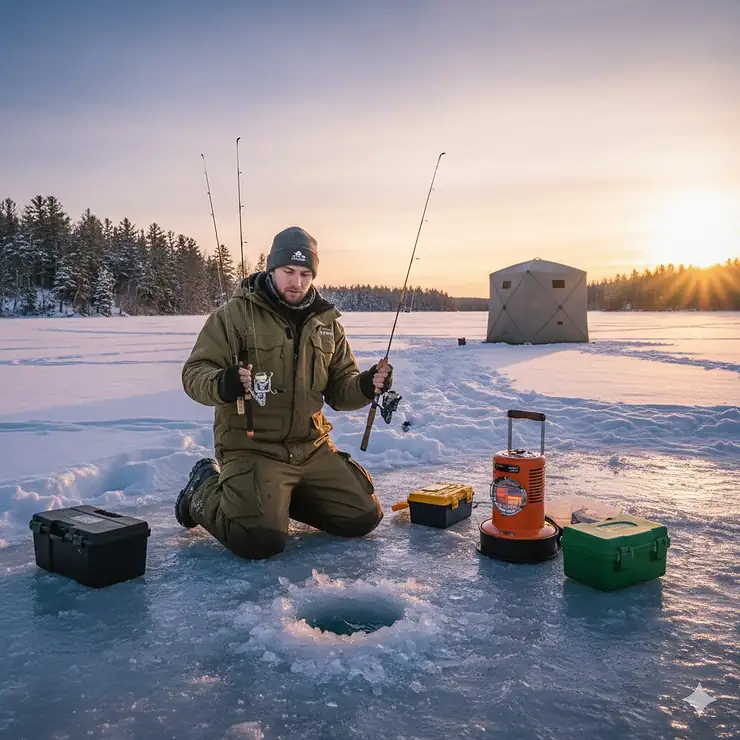
Picture this: you’re sitting in your ice hut on Lake Simcoe, watching your rod tip like a hawk, waiting for that telltale twitch of a walleye bite. Suddenly, you miss it—again. The culprit? Wrong rod length.
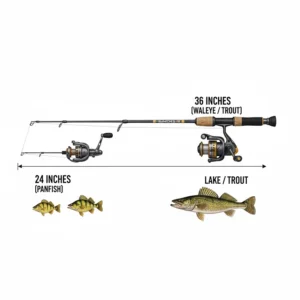
Choosing the right ice fishing rod length isn’t just about personal preference. It’s about maximizing sensitivity, maintaining proper leverage, and actually landing fish instead of watching them swim away with your jig. After years of testing rods across frozen Canadian lakes from Ontario to Alberta, I’ve learned that the difference between a 28-inch and 32-inch rod can mean the difference between a slow day and a trophy haul.
Whether you’re targeting crappies in shallow weed beds or jigging for lake trout in 15 metres of water, understanding ice fishing rod length will transform your winter angling game. Most Canadian anglers stick with the standard 28-inch rod without realizing they’re limiting their potential. Meanwhile, savvy ice fishers are matching rod length to specific conditions and species—and they’re consistently outfishing everyone else.
In this comprehensive guide, we’ll break down everything you need to know about ice fishing rod length, compare the most popular sizes available in Canada, and help you choose the perfect rod for your fishing style. Let’s dive into the icy depths of this crucial topic.
Quick Comparison: Popular Ice Fishing Rod Lengths in Canada
| Rod Length | Best For | Environment | Sensitivity | Leverage | Price Range (CAD) |
|---|---|---|---|---|---|
| 24-26″ | Panfish, tight shelters | Inside ice hut | Excellent | Low | $30-$80 |
| 28-30″ | Versatile, perch, crappie | Inside/outside | Very Good | Medium | $40-$120 |
| 32-34″ | Walleye, hole hopping | Open ice, large shelters | Good | High | $50-$200 |
| 36″+ | Pike, lake trout | Open ice fishing | Moderate | Very High | $70-$250 |
💬 Just one click – help others make better buying decisions too! 😊
Top 7 Ice Fishing Rods: Expert Analysis for Canadian Anglers
1. St. Croix Mojo Ice 28″ Medium Light
When it comes to versatility on Canadian ice, the St. Croix Mojo Ice stands as a benchmark. This 28-inch rod combines precision-taper solid carbon blank construction with a premium split-grip handle that stays comfortable even during those brutal -25°C mornings on the prairies.
Key Specifications:
- Length: 28 inches
- Power: Medium Light
- Action: Fast
- Material: Solid carbon blank
Canadian Pricing: $89-$119 CAD (available at major retailers across Canada)
Canadian anglers rave about this rod’s ability to detect the lightest perch bites while maintaining enough backbone for aggressive walleye hooksets. The custom reel seat performs flawlessly in freezing temperatures, and the lightweight stainless-steel guides resist ice buildup better than cheaper alternatives.
✅ Pros:
- Exceptional sensitivity for detecting subtle bites
- Comfortable split-grip handle for all-day fishing
- Perfect 28″ length for both shelter and open ice
❌ Cons:
- Premium pricing may stretch budget-conscious anglers
- Slightly heavier than pure graphite competitors
Customer Feedback: Ontario ice fishers consistently praise this rod’s balanced performance across multiple species. One reviewer from Thunder Bay noted it’s “the only rod I need for 90% of my ice fishing situations.”
2. Ugly Stik GX2 Ice Rod 32″ Medium
For Canadian anglers who need bulletproof reliability without breaking the bank, the Ugly Stik GX2 delivers legendary toughness. This 32-inch rod features the famous Clear Tip design that provides visual bite detection—crucial when fishing in dimly lit shelters.
Key Specifications:
- Length: 32 inches
- Power: Medium
- Construction: Graphite and fiberglass blend
- Guides: Stainless steel
Canadian Pricing: $29.99-$39.99 CAD
The 32-inch length makes this ideal for hole hopping across Manitoba ice or fishing from larger ice houses. Canadian Tire stocks these extensively, and for good reason—they simply don’t break. The GX2 combines Ugly Tech construction with Ugly Tuff guides, creating a rod that laughs at Canadian winters.
✅ Pros:
- Incredibly affordable for budget-conscious anglers
- Near-indestructible construction
- Perfect length for open ice fishing
❌ Cons:
- Less sensitive than pure graphite rods
- Heavier weight can cause fatigue
Customer Feedback: Saskatchewan walleye hunters love how this rod handles aggressive fish without the worry of breakage during truck-to-lake transport on rough ice roads.
3. 13 Fishing Tickle Stick 30″ Medium Light
The 13 Fishing Tickle Stick revolutionized ice fishing with its PC2 (Parallel Composite Construction) creating a completely flat tip that drastically increases bite detection. At 30 inches, it hits the sweet spot for versatile Canadian ice fishing.
Key Specifications:
- Length: 30 inches
- Power: Medium Light
- Construction: PC2 flat tip design
- Handle: Split-grip EVA
Canadian Pricing: $59.99-$84.99 CAD
This rod excels at detecting those finicky bites that plague Canadian ice fishers during cold fronts. The flat tip design means you’ll see bites you’d miss with traditional round tips, especially critical when targeting pressured fish in popular lakes near urban centres.
✅ Pros:
- Innovative flat tip increases bite visibility
- 30″ length perfect for versatility
- Excellent value for performance
❌ Cons:
- Flat tip can be fragile if mishandled
- Limited availability in some Canadian regions
Customer Feedback: Alberta crappie specialists report 30% more hookups after switching to this rod, particularly during tough bite conditions.
4. Fenwick World Class Ice Rod 28″ Light
Fenwick brings their legendary craftsmanship to Canadian ice with the World Class series. This 28-inch light power rod features premium solid carbon blanks specially tuned for finesse ice fishing.
Key Specifications:
- Length: 28 inches
- Power: Light
- Construction: Premium solid carbon
- Grip: Premium cork split-grip
Canadian Pricing: $76.49-$89.99 CAD
Perfect for Canadian panfish enthusiasts targeting bluegills and crappies through the ice, this rod delivers tournament-level sensitivity at a reasonable price point. The 28-inch length allows comfortable use inside portable shelters while providing adequate leverage for hooksets.
✅ Pros:
- Premium cork handle stays warm
- Exceptional sensitivity for light lures
- Perfect panfish length
❌ Cons:
- Light power limits versatility
- May struggle with larger fish
Customer Feedback: Quebec ice fishers targeting stocked trout in controlled zones appreciate this rod’s delicate presentation capabilities.
5. Abu Garcia Veritas Ice 32″ Medium
The Abu Garcia Veritas Ice features ultra-responsive 24 Ton graphite blanks that telegraph every nibble from the depths of Canadian lakes. At 32 inches, it provides excellent leverage for fighting fish in deeper water.
Key Specifications:
- Length: 32 inches
- Power: Medium
- Construction: 24 Ton graphite
- Reel Seat: Custom-designed
Canadian Pricing: $79.99-$99.99 CAD
This rod shines when targeting walleye in 6-12 metres of water, common depths across Ontario’s Kawarthas region. The custom reel seat paired with EVA grips ensures comfortable operation even during extended sessions.
✅ Pros:
- High-modulus graphite provides excellent sensitivity
- 32″ length ideal for standing/hole hopping
- Quality components throughout
❌ Cons:
- Medium power may be overkill for panfish
- Higher price than entry-level options
Customer Feedback: Manitoba walleye tournament anglers consistently choose this rod for its reliable performance in competitive situations.
6. Clam Katana 28″ Medium Light
Built with a sensitive 30T solid graphite blank, the Clam Katana features the Tsuka featherlight grip handle that reduces fatigue during marathon ice fishing sessions across Canadian lakes.
Key Specifications:
- Length: 28 inches
- Power: Medium Light
- Construction: 30T solid graphite
- Handle: Tsuka featherlight grip
Canadian Pricing: $45-$65 CAD
The 28-inch length makes this an excellent choice for Canadian anglers who split time between ice shelters and open ice. It’s light enough for all-day jigging yet provides enough backbone for quality fish.
✅ Pros:
- Lightweight reduces arm fatigue
- Affordable premium performance
- Versatile 28″ length
❌ Cons:
- Limited colour options
- Grip material may get slippery when wet
Customer Feedback: British Columbia ice fishers targeting rainbow trout appreciate this rod’s balance between sensitivity and fish-fighting power.
7. St. Croix Tundra Ice 32″ Medium
The St. Croix Tundra represents a new platform built specifically for hardwater anglers. This 32-inch rod combines ice-centric features demanded by serious Canadian ice fishers.
Key Specifications:
- Length: 32 inches
- Power: Medium
- Construction: Premium carbon blank
- Features: Ice-specific design
Canadian Pricing: $161.49-$199.99 CAD
As tough as the frozen winter landscape itself, the Tundra series delivers premium performance for anglers who demand the best. The 32-inch length provides excellent leverage for fighting fish in current or deep water.
✅ Pros:
- Premium construction quality
- Perfect length for serious anglers
- Designed specifically for ice conditions
❌ Cons:
- Premium pricing
- May be overkill for casual anglers
Customer Feedback: Professional ice fishing guides across northern Ontario rely on Tundra rods for their durability and consistent performance with clients.
Understanding Ice Fishing Rod Length Fundamentals 📏
Ice fishing rod length directly impacts three critical factors: sensitivity, leverage, and maneuverability. Unlike open-water rods that range from 6 to 8 feet, ice rods typically measure between 24 and 42 inches—and there’s solid science behind these compact dimensions.
The shorter length isn’t just about fitting in tight shelters. When you’re fishing vertically through ice, a shorter rod provides direct contact with your lure. Think of it like this: a 28-inch rod gives you roughly 70 centimetres of direct connection to detect bites, while a 6-foot open-water rod adds unnecessary distance that dampens sensitivity.
According to Fisheries and Oceans Canada, ice fishing remains one of Canada’s most popular winter recreational activities, with millions of anglers hitting frozen lakes annually. Understanding proper equipment—especially rod length—ensures both safety and success.
Most Canadian anglers gravitate toward the 28 to 32-inch range because these lengths balance portability with performance. However, your ideal length depends on several factors we’ll explore throughout this guide.
28 Inch vs 32 Inch Ice Rod: The Great Canadian Debate 🍁
The 28-Inch Advantage
Twenty-eight-inch rods dominate Canadian ice fishing for good reason. They’re the Goldilocks length—not too short, not too long, just right for most situations.
When 28 inches excels:
- Fishing inside portable or permanent ice shelters
- Targeting panfish with small tungsten jigs
- Finesse presentations requiring maximum sensitivity
- Sitting-down fishing scenarios
- Cramped quarters on crowded lakes
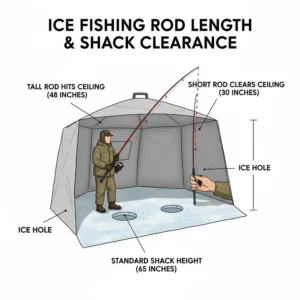
A 28-inch rod like the St. Croix CCI Tungsten Tamer maximizes action on small jigs while maintaining enough length to fish comfortably when standing outside. It’s short enough to avoid hitting shelter ceilings during hooksets yet long enough to provide adequate line control.
The 32-Inch Advantage
Thirty-two-inch rods provide superior leverage and line management, particularly important when hole hopping across expansive Canadian lakes.
When 32 inches excels:
- Open ice fishing while standing
- Hole hopping between multiple locations
- Targeting larger species like walleye or pike
- Deeper water applications (10+ metres)
- Managing line in wind conditions
Consider the St. Croix Pan Dancer at 32 inches. This length allows anglers to stand comfortably during all-day sessions without constant bending. The extra length provides crucial leverage when fighting aggressive fish or managing line in currents.
The Verdict
For most Canadian ice fishers, owning both lengths makes sense. Use 28 inches for shelter fishing and finesse applications, then switch to 32 inches for hole hopping and larger fish. If you can only choose one, a 30-inch rod splits the difference nicely.
Light vs Medium Action Ice Rod: Matching Power to Purpose ⚡
Understanding Rod Action
Rod action describes how and where the rod bends under pressure. Fast action rods bend primarily in the tip, while moderate action rods bend further down the blank. For ice fishing, most rods feature fast or extra-fast actions.
Light Action Applications
Light power rods (ultra-light to light) excel for:
- Panfish: bluegills, crappies, perch under 25 centimetres
- Small tungsten jigs (1/32 to 1/16 ounce)
- Finesse presentations
- Pressured fish in clear water
A light action 28-inch rod provides the delicate touch needed for detecting subtle panfish bites. When a bluegill barely mouths your jig, a light rod telegraphs that information instantly.
Medium Action Applications
Medium power rods handle:
- Walleye and sauger
- Larger perch (jumbo perch over 30 centimetres)
- Pike and lake trout
- Heavier jigs and spoons (1/8 to 1/2 ounce)
Medium action provides backbone for driving hooks into harder-mouthed species while maintaining enough flex to absorb head shakes. This prevents pulled hooks—a common frustration when ice fishing for walleye.
Expert Selection Strategy
Match your rod action to your primary target species. Serious Canadian ice fishers typically carry 2-3 rods rigged for different applications: one light for panfish, one medium-light for versatility, and one medium for walleye or pike.
Sensitive Ice Fishing Rods: Detecting Bites in Canadian Waters 🎯
What Makes a Rod Sensitive?
Sensitivity refers to a rod’s ability to transmit vibrations from your lure to your hand. In ice fishing, where bites can be incredibly subtle—especially during cold fronts common across Canada—sensitivity often determines success.
Factors Affecting Sensitivity
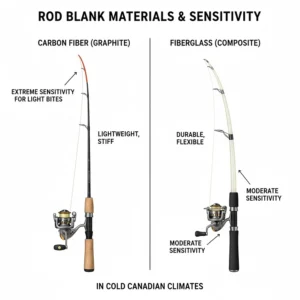
Blank Material: High-modulus graphite provides superior sensitivity compared to fiberglass. Carbon fiber construction, like that found in premium St. Croix rods, offers the best vibration transmission.
Blank Design: Solid carbon blanks typically outperform tubular blanks for sensitivity in ice fishing applications. The solid construction eliminates internal dampening.
Length: Shorter rods generally provide better sensitivity because vibrations travel less distance. A 28-inch rod will feel lighter bites than a 36-inch rod made from identical materials.
Guide Quality: Premium guides with ceramic inserts reduce friction and maintain sensitivity even when ice builds up—a constant challenge in Canadian winters.
Testing Sensitivity
When evaluating rod sensitivity, perform this simple test: Tap the rod tip against a hard surface while holding the handle. A sensitive rod will transmit crisp, clear vibrations. A less sensitive rod produces muted, dampened feedback.
In Canadian ice fishing conditions—often involving small lures in deep water—sensitivity becomes paramount. Fish metabolisms slow in cold water, producing gentler bites that require premium equipment to detect.
Rod Sensitivity Factors: The Science Behind Better Fishing 🔬
Material Science Matters
Modern ice fishing rods utilize advanced materials that weren’t available a decade ago. Understanding these materials helps you make informed purchasing decisions.
High-Modulus Graphite: Offers excellent strength-to-weight ratio and superior sensitivity. Rods featuring 24-ton or 30-ton graphite provide tournament-level performance.
IM6/IM7 Graphite: Intermediate modulus graphite balances cost and performance. Most mid-range Canadian ice rods utilize these materials.
Fiberglass Blends: Companies like Ugly Stik blend fiberglass with graphite for durability. While slightly less sensitive, these rods survive Canadian abuse better than pure graphite.
Blank Taper Engineering
The way a rod blank tapers from butt to tip dramatically affects sensitivity. Progressive tapers—where the blank gradually increases in diameter—provide smooth power transfer. Faster tapers concentrate flex in the tip section, enhancing bite detection.
Custom rod builders across Canada increasingly utilize proprietary taper designs optimized for specific applications. These specialized tapers can cost more but deliver measurable performance advantages.
Temperature Considerations
Canadian winters test equipment limits. Quality rods maintain performance in extreme cold, while budget options may become brittle or lose sensitivity below -15°C. Epoxy resin systems in premium rods resist cold-weather degradation better than cheaper alternatives.
Leverage and Control: Why Rod Length Affects Your Success 💪
The Physics of Leverage
Longer rods provide mechanical advantage when fighting fish. That extra 4 inches between a 28-inch and 32-inch rod translates to significant leverage differences during critical moments.
When a walleye makes a powerful run toward structure, a 32-inch rod gives you better control to steer the fish away from snags. The longer lever arm applies more turning force with less effort.
Line Management Benefits
Longer rods excel at line management, particularly important when hole hopping across Canadian lakes. A 32-inch rod keeps more line off the ice, reducing friction and freeze-ups. This becomes critical when fishing in -20°C temperatures where line management can make or break your day.
Fighting Aggressive Species
Pike and lake trout—common targets in Canadian ice fishing—require substantial leverage. A 36-inch medium-heavy rod provides the backbone needed to turn big fish in their tracks. Try landing a 10-kilogram pike on a 24-inch panfish rod and you’ll understand why length matters.
Hookset Power
Longer rods generate more hookset power through increased arc. When fishing in 12 metres of water for walleye—common depths in Ontario’s Quinte region—a 32-inch rod drives hooks home more effectively than shorter alternatives. The extended length creates a longer, more powerful sweep during the hookset motion.
Bite Detection Techniques: Maximizing Your Rod’s Potential 🎣
Visual Detection Methods
Many experienced Canadian ice fishers rely primarily on visual cues. The rod tip becomes a sensitive indicator of underwater activity.
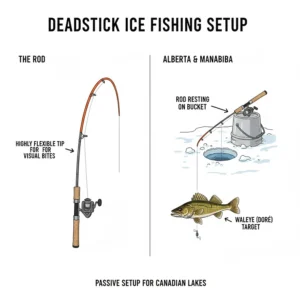
The Dead Stick Approach: Set your rod on a holder with slight tension. Watch for the tip to bounce, dip, or pull down. This passive technique works exceptionally well for walleye and crappies.
Spring Bobbers: Attach a spring bobber to your rod tip for amplified visual feedback. Popular across the prairies, spring bobbers detect bites invisible to the naked eye.
Tip Color Consideration: Rods with high-visibility tips (chartreuse, orange, glow) improve bite detection in low-light shelters. The Ugly Stik Clear Tip design pioneered this concept.
Tactile Detection Techniques
Holding your rod provides direct feedback through hand contact. Modern sensitive rods transmit surprisingly detailed information.
The Lift-Drop Method: Slowly lift your rod tip, then allow it to drop. Fish often strike during the drop. You’ll feel a slight weight or resistance that indicates a bite.
Horizontal Positioning: Hold your rod horizontally when finesse jigging. This position maximizes sensitivity and allows subtle wrist movements for lure control.
Electronic Assistance
Underwater cameras and flashers complement rod sensitivity. When you see a fish approach on your Marcum or Humminbird, you can anticipate strikes and focus on subtle rod tip movements.
Choosing Rod Length for Different Canadian Fishing Scenarios 🍁
Shelter Fishing Considerations
Inside portable ice shelters like Eskimo QuickFlip or Clam X-Series, space constraints dictate rod length choices. A 28-inch rod allows comfortable fishing without worrying about striking the ceiling during aggressive hooksets.
Permanent ice houses offer more room but still benefit from medium-length rods. The 30-32 inch range works well for multi-species fishing from comfortable heated shacks common across Ontario’s ice belt.
Open Ice Hole Hopping
When actively drilling holes across expansive Canadian lakes, longer rods (32-36 inches) prove superior. The extra length provides better line management, improved leverage, and reduced strain during all-day standing sessions.
Many successful hole hoppers carry multiple rods rigged with different presentations. The longer reach helps when working multiple holes efficiently.
Depth-Specific Considerations
Shallow Water (0-4 metres): Shorter rods (24-28 inches) work well for panfish in shallow bays and weed beds.
Medium Depth (4-10 metres): The 28-32 inch range handles most Canadian ice fishing scenarios.
Deep Water (10+ metres): Longer rods (32-42 inches) improve line management and provide better control when fishing for lake trout or deep-water walleye.
Species-Specific Recommendations
According to experienced guides across Canada, these length recommendations optimize success:
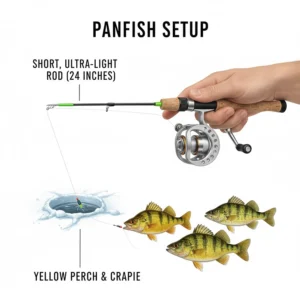
Panfish: 24-28 inches Perch: 28-30 inches
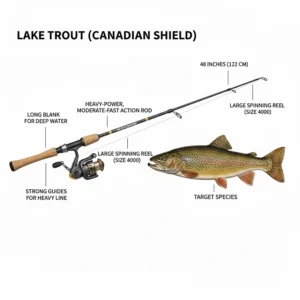
Walleye: 30-32 inches Pike: 32-36 inches Lake Trout: 36-42 inches
Premium vs Budget Ice Rods: What Canadian Anglers Need to Know 💰
Budget-Friendly Options ($30-$60 CAD)
Entry-level rods from Ugly Stik, Shakespeare, and generic brands get the job done for casual Canadian ice fishers. The Ugly Stik GX2 at $29.99 represents exceptional value—it’s nearly indestructible and performs adequately for most applications.
Advantages:
- Affordable for beginners or families
- Durable construction survives abuse
- Widely available across Canada
Limitations:
- Lower sensitivity
- Heavier weight
- Basic components
Mid-Range Excellence ($60-$120 CAD)
This sweet spot includes rods from 13 Fishing, Fenwick, Clam, and entry-level St. Croix models. You get significantly better sensitivity, lighter weight, and improved components without breaking the bank.
The 13 Fishing Tickle Stick at $59.99-$84.99 delivers performance that rivals rods costing twice as much. These rods satisfy most Canadian ice anglers’ needs.
Premium Performance ($120-$250+ CAD)
High-end rods from St. Croix Legend series, custom builders, and specialty manufacturers cater to serious anglers. The St. Croix Tundra starting at $161.49 represents this category.
When to invest in premium:
- Tournament fishing
- Professional guiding
- Extensive ice fishing (50+ days per season)
- Targeting trophy fish
- Maximum performance demands
The Canadian Value Equation
Consider cost per fishing day. A $200 rod used 40 times per season costs $5 per trip—reasonable for enhanced performance and enjoyment. Meanwhile, a $30 rod that frustrates you isn’t a bargain regardless of price.
Comparison Table: Top Ice Fishing Rod Specifications
| Model | Length | Power | Action | Material | Price (CAD) | Best For |
|---|---|---|---|---|---|---|
| St. Croix Mojo Ice | 28″ | ML | Fast | Solid Carbon | $89-$119 | Versatile |
| Ugly Stik GX2 | 32″ | M | Moderate | Graphite/Fiberglass | $29.99-$39.99 | Budget |
| 13 Fishing Tickle Stick | 30″ | ML | Fast | PC2 Carbon | $59.99-$84.99 | Bite Detection |
| Fenwick World Class | 28″ | L | Fast | Premium Carbon | $76.49-$89.99 | Panfish |
| Abu Garcia Veritas | 32″ | M | Fast | 24T Graphite | $79.99-$99.99 | Walleye |
| Clam Katana | 28″ | ML | Fast | 30T Graphite | $45-$65 | Value |
| St. Croix Tundra | 32″ | M | Fast | Premium Carbon | $161.49-$199.99 | Premium |
Essential Accessories to Complement Your Ice Fishing Rod 🛠️
Rod Storage and Transportation
Protect your investment with proper storage solutions. Hard rod cases prevent damage during transport across rough Canadian ice roads. Many anglers use PVC pipe cut to length for budget-friendly protection.
Line Management Tools
Quality ice fishing line designed for cold weather prevents freezing and breakage. Brands like Sufix Ice Magic and Berkley FireLine specifically engineered for Canadian winters maintain flexibility in extreme cold.
Reel Selection
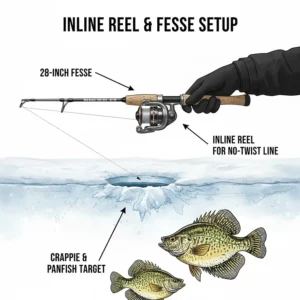
Match reel size to rod length. Smaller inline reels (sizes 500-1000) pair well with 24-28 inch rods, while larger reels (1000-2500) balance better on 32+ inch rods. Popular choices include Abu Garcia Revo Ice and 13 Fishing Frefall Ghost.
Tip-Up Alternatives
While not technically rod accessories, tip-ups complement your rod-and-reel approach. Use tip-ups for passive fishing while actively jigging with your rod, maximizing hole productivity.
❓ Frequently Asked Questions About Ice Fishing Rod Length
❓ What is the most popular ice fishing rod length in Canada?
❓ Can you use a 32 inch ice rod in a portable ice shelter?
❓ How does rod length affect sensitivity for ice fishing?
❓ What ice fishing rod length is best for walleye in Ontario?
❓ Are longer ice fishing rods better for lake trout?
Conclusion: Making the Right Choice for Your Canadian Ice Fishing Adventures 🎣
Selecting the perfect ice fishing rod length transforms your winter fishing experience from frustrating to phenomenal. Whether you choose a compact 28-inch rod for panfish finesse or a powerful 32-inch stick for walleye warfare, matching equipment to your specific needs maximizes success.
Remember that most serious Canadian ice fishers own multiple rods in different lengths. Start with a versatile 28 or 30-inch medium-light rod, then expand your arsenal as you refine your techniques and target species. The St. Croix Mojo Ice 28″ and 13 Fishing Tickle Stick 30″ represent excellent starting points for most anglers.
Consider your primary fishing environment—portable shelter versus open ice—and target species when making decisions. Don’t overlook regional factors either; fishing Lake Winnipeg’s vast expanses demands different equipment than targeting brook trout in Quebec’s controlled zones.
Invest in quality equipment that survives Canadian winters. A premium rod backed by solid warranty support pays dividends over seasons of hard use. Companies like St. Croix offer excellent warranty programs that protect your investment.
Most importantly, get out on the ice and experiment. Hands-on experience with different rod lengths provides insights no article can match. Borrow rods from friends, rent demo equipment from shops, or attend ice fishing expos across Canada where manufacturers showcase their latest offerings.
The perfect ice fishing rod length exists for your unique situation—you just need to discover it through research and real-world testing. Tight lines and thick ice this winter! 🍁❄️
Recommended for You
- 7 Best Ice Fishing Rods Canada 2026: How To Choose Ice Fishing Rod
- 7 Best Lake Trout Ice Fishing Rods Canada 2026
- 7 Best Northern Pike Ice Fishing Rods 2026 Canada Guide
Disclaimer: This article contains affiliate links to Amazon.ca. If you purchase products through these links, we may earn a small commission at no additional cost to you.
✨ Found this helpful? Share it with your friends! 💬🤗
🔍 Take your ice fishing to the next level with these carefully selected products available in Canada. Click on any highlighted item to check current pricing and availability on Amazon.ca. These tools will help you create authentic results your family will love!
