In This Article
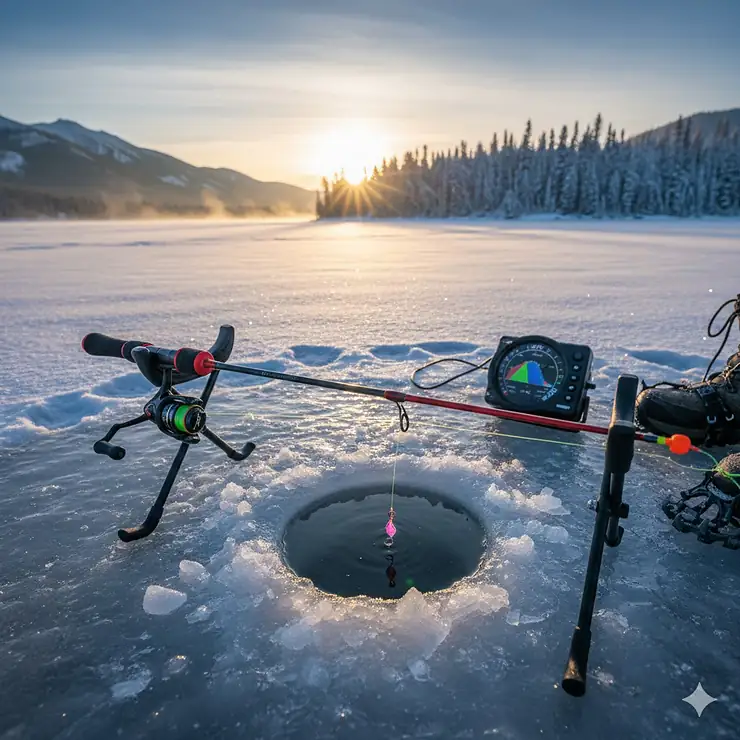
Picture this: you’re standing on pristine, crystal-clear ice as the December sun casts long shadows across the frozen lake. The ice beneath your feet moans and creaks, and somewhere below, aggressive fish are feeding like there’s no tomorrow. This is early ice fishing in Canada—and having the right rod can mean the difference between landing trophy walleye or watching them swim away.
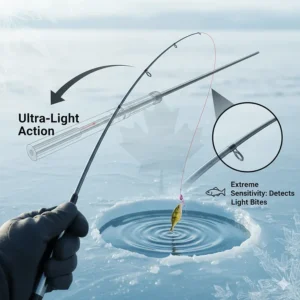
I’ve spent countless early seasons on frozen Canadian lakes from Ontario to Saskatchewan, and I can tell you that early ice fishing rods aren’t just “any” ice rods. When fish are shallow, aggressive, and closer to you than they’ll be all winter, you need equipment that’s sensitive enough to detect subtle strikes yet strong enough to handle that first-ice fury. The period from early November through late December offers some of the best fishing action of the entire year, but it also presents unique challenges that demand specialized gear.
According to archaeological findings, ice fishing has been practised by Arctic communities since the last ice age, with sophisticated techniques developed over millennia. Today’s modern early ice fishing rods combine this ancient wisdom with cutting-edge technology, giving Canadian anglers unprecedented control over their presentations.
Quick Comparison Table: Top Early Ice Fishing Rods
| Rod Model | Length | Power | Price (CAD) | Best For | Rating |
|---|---|---|---|---|---|
| 13 Fishing The Snitch Pro | 20″-32″ | Light-Medium | $81-$95 | Panfish, Walleye | ⭐⭐⭐⭐⭐ |
| Ugly Stik GX2 Ice Combo | 26″-28″ | Medium | $59-$79 | All-around | ⭐⭐⭐⭐½ |
| CLAM Dead Meat | 40″ | Medium | $89-$109 | Trophy Pike, Walleye | ⭐⭐⭐⭐ |
| St. Croix Legend Black | 30″ | Light | $145-$179 | Precision Jigging | ⭐⭐⭐⭐⭐ |
| 13 Fishing Tickle Stick | 28″ | Medium-Heavy | $60-$75 | Aggressive Fish | ⭐⭐⭐⭐ |
| St. Croix Tundra | 36″ | Medium-Heavy | $119-$149 | Trophy Hunting | ⭐⭐⭐⭐½ |
| CLAM Straight Drop Noodle | 34″ | Ultra-Light | $49-$69 | Sensitive Bites | ⭐⭐⭐⭐ |
💬 Just one click – help others make better buying decisions too!😊
Top 7 Early Ice Fishing Rods: Expert Analysis
1. 13 Fishing The Snitch Pro Ice Rod – Best Overall Sensitivity
When it comes to detecting those subtle early-ice bites, the 13 Fishing The Snitch Pro stands head and shoulders above the competition. This rod features military-grade E-glass Flex-Core tip technology that telegraphs even the gentlest nibble straight to your hand.
Key Specifications:
- Solid graphite blank with Flex-Core tip
- Polished stainless steel guides (freeze-resistant)
- Custom Evolve carbon handle
- Available in 20″, 23″, 27″, and 32″ lengths
Price Range: $81-$95 CAD on Amazon.ca
The Snitch Pro excels during early ice when fish are shallow and spooky. Canadian buyers on Amazon.ca consistently praise its balance between sensitivity and backbone. One Ontario angler noted the rod detected perch bites in 6 feet of water before the fish even fully committed to the bait.
✅ Pros:
- Exceptional bite detection in shallow water
- Hi-vis tip for visual strike indication
- Excellent freeze-up resistance
❌ Cons:
- Premium price point
- May be too sensitive for aggressive jigging
Perfect for: Anglers targeting early-ice panfish, crappie, and walleye in 4-15 feet of water during the November-December period.
2. Ugly Stik GX2 Ice Fishing Combo – Best Value for Beginners
The legendary Ugly Stik GX2 Ice Combo brings that “won’t quit” reputation to the frozen hardwater. Available at Canadian Tire and Amazon.ca, this combo offers unmatched durability for anglers just getting into early ice fishing.
Key Specifications:
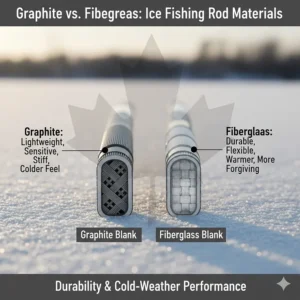
- Graphite and fibreglass construction
- Ugly Tuff stainless steel guides
- Pre-spooled with quality line
- 26″ or 28″ medium power options
Price Range: $59-$79 CAD
Canadian customers appreciate the GX2’s ability to handle multi-species action during first ice. Whether you’re chasing aggressive perch one moment and switching to bigger walleye the next, this rod maintains consistent performance. The combo includes everything needed to start fishing immediately—perfect for those sudden safe-ice opportunities.
✅ Pros:
- Exceptional value with included reel
- Nearly indestructible construction
- 5-year warranty
❌ Cons:
- Heavier than premium carbon options
- Less sensitivity for finesse presentations
Perfect for: Budget-conscious anglers and families wanting reliable performance across multiple species.
3. CLAM Dead Meat 40″ Ice Rod – Best for Trophy Fish
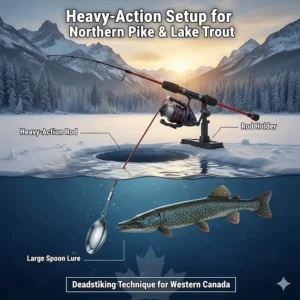
When you’re targeting big pike and trophy walleye through early ice, length and power matter. The CLAM Dead Meat delivers both with its impressive 40-inch profile and solid fibreglass construction.
Key Specifications:
- 40″ solid fibreglass blank
- Oversized guides prevent freeze-up
- P-Cork handle for comfort
- Medium power with strong backbone
Price Range: $89-$109 CAD on Amazon.ca
This rod shines during early ice when big predators are prowling shallow weed edges. The oversized guides are crucial for fishing outside in freezing conditions—ice buildup becomes a non-issue. Canadian anglers fishing Lake of the Woods and Lake Simcoe report excellent hookset power even in deeper early-ice scenarios (15-25 feet).
✅ Pros:
- Superior hookset power for big fish
- Excellent guide design prevents icing
- Long length aids hole-hopping
❌ Cons:
- Too heavy for small panfish
- Requires more storage space
Perfect for: Serious anglers targeting trophy walleye, pike, and lake trout during the early season.
4. St. Croix Legend Black Ice Rod – Best Premium Option
The St. Croix Legend Black represents the pinnacle of ice fishing rod engineering. With its patented built-in strike indicator system and precision-taper carbon blank, this rod delivers tournament-level performance.
Key Specifications:
- SC material (precision-taper solid carbon)
- Black anodized super-finesse spring indicator
- Pac Bay Minima stainless guides
- Comfortable secure-lock reel seat with EVA trim
Price Range: $145-$179 CAD
According to customer feedback on Amazon.ca, the adjustable spring indicator is phenomenally sensitive—you’ll see strikes before feeling them. This advantage is crucial during early ice when fish are shallow and cautious. The rod’s Canadian availability through specialty retailers ensures proper support and warranty service.
✅ Pros:
- Industry-leading sensitivity
- Fully adjustable spring bobber system
- Superior craftsmanship (Made in USA)
❌ Cons:
- Higher investment required
- Spring indicator requires occasional adjustment
Perfect for: Tournament anglers and serious enthusiasts who demand the absolute best performance.
5. 13 Fishing Tickle Stick Ice Rod – Best for Aggressive Presentations
Sometimes early-ice fish want speed and aggression. The 13 Fishing Tickle Stick handles hard jigging and big lures with ease while maintaining enough sensitivity for detecting strikes.
Key Specifications:
- Solid graphite blank
- Stainless steel guides with polished inserts
- Custom Evolve cork handle
- 28″ medium-heavy power
Price Range: $60-$75 CAD
Canadian buyers praise the Tickle Stick for its versatility during the unpredictable early season. One Manitoba angler reported using it successfully for both aggressive pike presentations and finesse walleye tactics on the same outing. Available through Tackle Depot Canada, shipping is reliable across provinces.
✅ Pros:
- Excellent backbone for hard hooksets
- Comfortable for extended use
- Great multi-species performer
❌ Cons:
- Less finesse than ultra-light options
- Medium-heavy power too much for small panfish
Perfect for: Anglers who prefer aggressive jigging techniques and chase multiple species.
6. St. Croix Tundra Ice Rod – Best All-Weather Performance
Built specifically for Canada’s brutal early-ice conditions, the St. Croix Tundra features both Xtreme-Flex glass and Precision-Taper carbon blank options.
Key Specifications:
- Dual blank options (glass extra-fast / carbon fast)
- REC Recoil stripper guides
- SeaGuide light wire running guides
- Premium-grade cork handle
Price Range: $119-$149 CAD on Amazon.ca
The Tundra’s guide system deserves special mention—designed specifically to reduce ice buildup, they’re perfect for those bone-chilling November mornings when temperatures hover around -15°C. Canadian customers fishing Alberta’s trophy trout lakes particularly appreciate the 36″ medium-heavy model.
✅ Pros:
- Exceptional cold-weather performance
- Versatile blank options
- 5-year St. Croix warranty
❌ Cons:
- Heavier than some competitors
- Limited length options
Perfect for: Anglers fishing in extreme Canadian cold who need reliable performance.
7. CLAM Straight Drop 34″ Noodle Rod – Best for Finesse Fishing
When early-ice fish are extra cautious or you’re targeting smaller species, the ultra-sensitive CLAM Straight Drop Noodle excels with its glass blank and lightweight design.
Key Specifications:
- Ultra-sensitive glass blank
- Lightweight tapered EVA handle
- Oversized fly guides
- 34″ ultra-light power
Price Range: $49-$69 CAD
This rod’s noodle-like flexibility is perfect for detecting the gentlest bites from crappie and bluegill during early ice. Canadian anglers fishing Ontario’s Kawartha Lakes report excellent success with small jigs and live bait presentations. The rod’s forgiving action also reduces lost fish due to light wire hooks pulling out.
✅ Pros:
- Exceptional sensitivity for light bites
- Affordable entry point
- Reduces lost fish with forgiving action
❌ Cons:
- Insufficient power for big fish
- Requires gentle handling
Perfect for: Panfish enthusiasts and finesse specialists targeting cautious early-ice biters.
✨ Don’t Miss These Exclusive Deals!
🔍 Take your early ice fishing to the next level with these carefully selected products available in Canada. Click on any highlighted item to check current pricing and availability on Amazon.ca. These tools will help you create authentic winter fishing memories your family will cherish!
Understanding Early Ice Fishing: Why This Period Demands Different Gear
Early ice fishing represents a unique window in the Canadian ice fishing calendar. Of all three ice fishing periods, early ice provides the most aggressive fish and best action, with many species roaming shallow near oxygen-rich green weeds. This aggressive behaviour stems from several factors that directly impact your rod selection.
The Science Behind Early Season Behaviour
During the early ice period—typically the first 30 days after safe ice forms—fish metabolism remains relatively high. Water temperatures haven’t yet reached their midwinter lows, and oxygen levels are at their seasonal peak. This combination creates feeding windows that simply don’t exist later in winter.
Because oxygen levels in the water are still high for winter, fish metabolism is likewise high, prompting more aggressive feeding. This means you’ll encounter fish willing to chase lures and strike aggressively—behaviour that demands rods capable of handling sudden, powerful runs.
Shallow Water Challenges
Perhaps the biggest factor affecting rod choice for early ice is depth. While midwinter fish often suspend in 20-40 feet of water, early season fish typically hold in 5-15 feet. This shallow positioning makes them simultaneously easier to catch and easier to spook.
Your rod becomes a critical stealth tool. Heavy, insensitive rods that require aggressive jigging will alert fish to your presence. Conversely, ultra-sensitive rods allow you to work baits with subtlety, detecting strikes before fish feel resistance and spit the bait.
How to Choose Early Ice Fishing Rods for Canadian Conditions
1. Prioritize Sensitivity Over Power
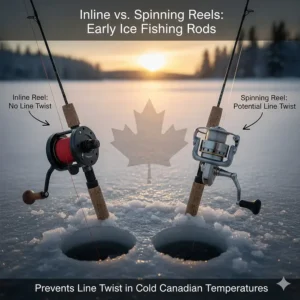
Early ice fishing demands you feel everything happening below. Light to medium-light power rods in the 20-32 inch range provide optimal sensitivity for depths under 15 feet. The shorter length actually enhances bite detection in shallow water.
2. Consider Guide Design for Freeze Prevention
Canadian temperatures during early ice can plummet to -20°C or colder. Rod guides that ice up constantly disrupt your fishing rhythm and reduce effectiveness. Look for:
- Oversized stripper guides
- Polished stainless steel construction
- Minimal surface area designs
3. Match Rod Length to Your Fishing Style
- 20-26 inches: Panfish specialists, seated fishing
- 28-32 inches: Multi-species anglers, hole-hopping
- 34-40 inches: Trophy hunters, aggressive presentations
4. Evaluate Handle Materials
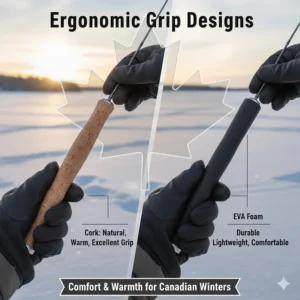
Cork handles provide superior grip in wet, cold conditions compared to EVA foam. Premium cork also dampens vibration, enhancing sensitivity. However, EVA handles are more durable and require less maintenance.
5. Don’t Overlook Warranty and Support
Canadian winters are brutal on gear. Companies offering 5-7 year warranties (St. Croix, Ugly Stik) demonstrate confidence in their construction. Ensure warranty service is available in Canada.
Early Ice Safety: Essential Knowledge for Canadian Anglers
Before discussing techniques, safety must take priority. According to Ontario government guidelines, near-shore ice is often much thicker and safer than ice farther out, especially at the start of the winter season.
Ice Thickness Guidelines
The Government of Ontario provides clear minimum thickness standards:
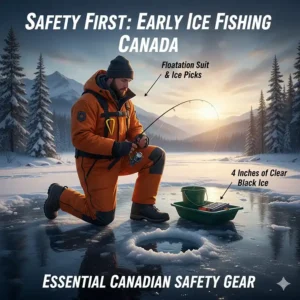
- 10 cm (4 inches): Walking, ice fishing on foot
- 12.5-18 cm (5-7 inches): Snowmobile travel
- 20-30 cm (8-12 inches): Light vehicles
- 30-38 cm (12-15 inches): Medium trucks
However, thickness alone doesn’t tell the whole story. Experienced Canadian anglers use needle-point ice picks to test ice continuously and carry survival kits including waterproof matches.
Canadian-Specific Hazards
Our diverse geography creates unique ice dangers:
- River mouths: Current prevents consistent freezing
- Springs: Underwater warm spots create thin patches
- Dark shorelines: Rocky areas absorb heat, weakening ice
- Urban lakes: Runoff and industrial discharge affect ice quality
Essential Safety Gear
Never venture onto early ice without:
- Ice picks worn around your neck
- Throw rope (15+ metres)
- Flotation suit or PFD
- Spud bar for testing thickness
- Fully charged mobile phone
- Buddy system (never fish alone)
Floatation suits are by far the number one safety item when it comes to ice fishing, especially early in the season, ensuring your head stays above water if you fall through.
Tactical Adjustments: Adapting to Ice Thickness Equipment Changes
Early Ice (4-6 inches): Light and Mobile
When ice first becomes safe, mobility is your greatest advantage. Use lightweight rods (20-28 inches) that pack easily in a sled or backpack. Drill multiple holes and move frequently.
Recommended Setup:
- Ultra-light to light power rods
- 2-4 lb fluorocarbon line
- Small jigs (1/64 – 1/16 oz)
- Minimal gear for fast movement
Mid Early Ice (6-10 inches): Increased Options
As ice thickens, you can bring more gear and fish more comfortably. Consider portable shelters and heavier tackle for bigger fish.
Recommended Setup:
- Light to medium power rods
- 4-6 lb line
- Variety of lure sizes
- Portable shelter for weather protection
Late Early Ice (10-12 inches): Pre-Midwinter Transition
Fish begin their migration to deeper structure. Longer rods (32-40 inches) help work baits in transitional depths (15-25 feet).
Recommended Setup:
- Medium to medium-heavy rods
- 6-8 lb line
- Larger presentations
- Electronics for finding fish
Seasonal Fish Behavior: What Canadian Anglers Need to Know
Species-Specific Patterns
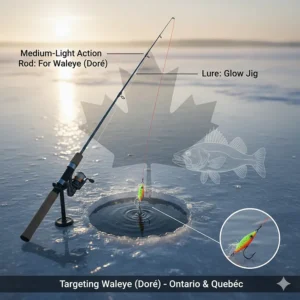
Walleye First-ice walleyes are aggressive and willing to bite, typically found in 5 to 10 feet of water near weed flats, points, and rock structures. Target them during low-light periods—dawn, dusk, and nighttime produce best results.
Yellow Perch Perch school heavily during early ice, making them perfect targets for anglers wanting fast action. They patrol weed edges and sand flats in 8-18 feet. Once you find one, dozens more are nearby.
Lake Trout Canada’s trophy lake trout remain active through early ice. Target underwater points and rock walls in 20-40 feet. Their deep positioning demands longer rods with substantial backbone.
Crappie and Bluegill Early ice panfish are eager to feed before winter’s grip tightens, typically hanging around weed beds, drop-offs, and structures providing cover and forage.
Reading Canadian Weather Patterns
Barometric pressure significantly impacts early ice success:
- Stable/Falling Pressure: Best fishing conditions
- Rising Pressure: Fish become less active
- Rapid Changes: Unpredictable behaviour
Moon phases also matter. Full and new moons typically produce enhanced feeding periods, especially for walleye and pike.
Ice Condition Variations Across Canadian Regions
Ontario’s Ice Belt
Lakes in Central and Northern Ontario typically freeze in mid-November. The Canadian Shield’s rocky bottom radiates heat, sometimes creating thinner ice near shorelines despite colder air temperatures.
Best Early Ice Destinations:
- Lake Simcoe (renowned ice fishing capital)
- Nipissing
- Quinte
- Kawartha Lakes
Prairie Provinces (Manitoba, Saskatchewan)
Shallower prairie lakes freeze earlier (late October – early November) and provide exceptional early-ice walleye and pike fishing. Consistent cold creates reliable ice conditions.
Quebec’s Diverse Waters
From the St. Lawrence River system to northern reservoirs, Quebec offers varied early ice opportunities. French-speaking guides and regulations require additional preparation.
Atlantic Canada
Shorter ice seasons and coastal influence mean early ice windows are brief. When conditions align, brook trout and landlocked salmon provide world-class action.
Advanced Techniques for Early Ice Success
The Hole-Hopping Method
Mobile fishing dominates early ice strategy. Drill 15-20 holes in promising areas, fish each for 10 minutes, then move. This approach covers water efficiently and locates active fish.
Pro Tip: Pre-drill holes in low-light periods to avoid spooking fish during prime time.
Stealth Fishing Shallow Water
When fish are 6 feet below your boots, every sound and shadow matters:
- Walk lightly—ice transmits vibration
- Avoid dragging equipment across ice
- Use dark clothing to minimize shadow
- Keep auger noise away from fishing holes
Jigging Cadences That Produce
Early ice fish respond to varied presentations:
Aggressive: Rapid lifts and drops (pike, active walleye) Moderate: Steady jigging with pauses (perch, crappie)
Subtle: Gentle shakes and twitches (pressured fish, panfish)
Experiment constantly. If fish aren’t responding in 10 minutes, change something—depth, cadence, or location.
Essential Accessories for Your Early Ice Rod
Spring Bobbers
These ultra-sensitive indicators attach to your rod tip, telegraphing the lightest bites. Crucial for panfish and cautious walleye. Canadian brands like HT Enterprises offer cold-resistant models.
Rod Cases and Protection
Transport rods safely between home and ice:
- Hard cases for expensive models
- Rod socks for scratch protection
- Multiple-rod holders for mobility
Line Management
Fluorocarbon: Invisible underwater, perfect for clear early ice (2-6 lb)
Monofilament: Better in extreme cold, less memory (4-8 lb)
Braid: Sensitivity king, but visible and prone to ice buildup
Comparing Traditional vs. Early Ice-Specific Rods
| Feature | Traditional Ice Rod | Early Ice Rod |
|---|---|---|
| Sensitivity | Moderate | High to Extreme |
| Length | 24-36″ | 20-32″ preferred |
| Power | Medium-Heavy | Light to Medium |
| Primary Depth | 15-40 feet | 4-15 feet |
| Fish Activity | Sluggish | Aggressive |
| Presentation | Slow, methodical | Varied, mobile |
Early ice rods prioritize bite detection and finesse over raw power. While traditional rods excel in midwinter’s depths, they’re overkill for shallow, aggressive early-season fish.
Regional Regulations and Licensing Requirements
Ontario Fishing Regulations
Ontario allows ice fishing with 2 lines as long as you stay within 60 metres at all times of any line or tip-up. Ice hut registration is required in specific Fisheries Management Zones (FMZs 9-12 and 14-20).
License Requirements:
- Outdoors Card (one-time fee)
- Annual fishing license
- Species-specific tags (lake trout, Atlantic salmon)
Other Provincial Considerations
Each province maintains unique regulations:
- Quebec: Separate licensing system, French documentation
- Manitoba: Different size/possession limits
- Saskatchewan: Zone-specific regulations
- Alberta: Varying season dates
Always verify current regulations through provincial government websites (.gc.ca domains) before fishing.
Maintenance and Storage Tips for Canadian Winters
Post-Trip Care
- Dry thoroughly: Moisture causes guide corrosion
- Check guides: Remove ice buildup immediately
- Inspect line: Early ice abrasion requires frequent checks
- Loosen drag: Prevents spring compression issues
Off-Season Storage
- Store rods horizontally or vertically (never leaning)
- Keep in temperature-controlled environment
- Remove reels and store separately
- Apply light guide protector spray
Common Repair Needs
Guide Replacement: Canadian tackle shops can install new guides ($15-$40 per guide + labour)
Tip Repair: St. Croix and other premium brands offer repair services
Handle Refurbishment: Cork handles can be sanded and refinished
Maximizing Your Investment: Value vs. Performance
Budget-Friendly Excellence ($50-$80 CAD)
The Ugly Stik GX2 and CLAM Straight Drop provide legitimate performance without breaking the bank. Perfect for beginners or casual anglers fishing 5-10 times per season.
Mid-Range Sweet Spot ($80-$120 CAD)
Rods like the 13 Fishing Tickle Stick and CLAM Dead Meat offer premium features at reasonable prices. Ideal for serious enthusiasts who fish 15-25 times annually.
Premium Performance ($120-$180+ CAD)
The St. Croix Legend Black and St. Croix Tundra justify their cost through superior sensitivity, durability, and warranty support. Tournament anglers and daily users benefit most from this investment.
FAQ: Early Ice Fishing Rods in Canada
❓ What length ice fishing rod is best for early ice in Canada?
❓ Can you use regular spinning rods for ice fishing in Canada?
❓ How thick should ice be before using ice fishing equipment in Canada?
❓ What's the best ice fishing rod for walleye in early season?
❓ Do I need different rods for early vs late ice fishing?
Conclusion: Choose the Right Rod for Your Early Ice Adventures
Early ice fishing represents Canada’s most exciting hardwater period. Fish are aggressive, accessible, and eager to bite—but only if you have equipment that lets you capitalize on this brief window. Whether you’re investing in the tournament-grade St. Croix Legend Black or starting your journey with the reliable Ugly Stik GX2, understanding how rod characteristics match early-ice conditions will transform your success rate.
Remember that early ice demands different strategies than midwinter fishing. Lighter rods, mobile tactics, and stealth approaches produce results when fish are shallow and spooky. Many species roam shallow near still oxygen-rich green weeds during early ice, creating the most aggressive fish and best action of the entire season.
Safety must always come first. Test ice thickness continuously, fish with a partner, and invest in proper safety equipment. The best rod in the world means nothing if you’re not around to use it.
As we move into 2026, manufacturers continue innovating with lighter materials, better guide systems, and enhanced sensitivity. The rods featured in this guide represent the cutting edge of what’s available to Canadian anglers, combining traditional craftsmanship with modern technology.
Get out there this season. Drill some holes. Feel that first aggressive strike of the year. With the right rod in hand and knowledge in your head, you’re ready to make the most of Canada’s incredible early ice fishing opportunities. Tight lines and safe ice, friends! 🍁🎣
Recommended for You
- 7 Best Ice Fishing Equipment Deals Canada 2026 | Save Big
- 7 Best Great Lakes Ice Fishing Equipment Canada 2026
- 7 Best Ice Fishing Gear Quebec Picks for 2026
Disclaimer: This article contains affiliate links to Amazon.ca. If you purchase products through these links, we may earn a small commission at no additional cost to you.
✨ Found this helpful? Share it with your friends! 💬🤗
