In This Article
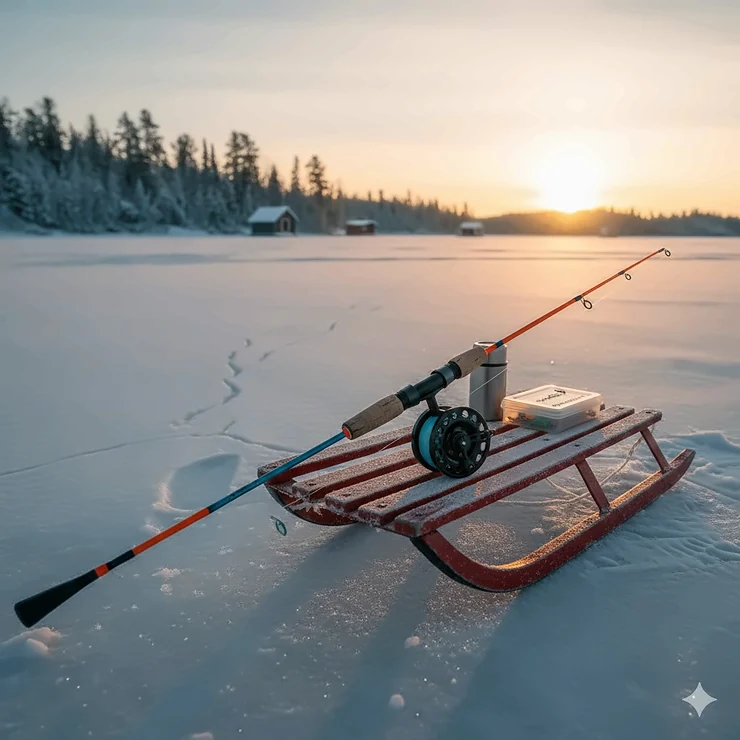
Picture this: you’re standing on a frozen Canadian lake, the crisp winter air filling your lungs, and beneath 30 centimetres of solid ice, walleye and perch are waiting. Ice fishing involves catching fish through openings cut in frozen water bodies, and it’s become more than just a winter pastime—it’s a cherished Canadian tradition.
If you’re new to this incredible sport, choosing the right ice fishing combo for beginners can feel overwhelming. Should you invest in an expensive setup or start with something budget-friendly? What rod length works best? How do you know which reel won’t freeze solid in -20°C weather?
I’ve spent countless hours on frozen lakes across Ontario and Quebec, testing gear in brutal conditions that would make summer anglers shiver. Through trial, error, and a few embarrassing equipment failures, I’ve learned what actually works for first-time ice anglers. This guide cuts through the marketing fluff to show you exactly what you need—and what you don’t—to start catching fish through the ice this winter.
Whether you’re targeting panfish on Lake Simcoe or walleye in northern Saskatchewan, the right complete ice fishing setup transforms frustrating outings into memorable catches. Let’s explore the seven best starter ice fishing kit options that won’t break the bank but will definitely help you break the ice on this thrilling winter sport.
Quick Comparison Table 🎣
| Product | Length | Power | Price (CAD) | Best For | Rating |
|---|---|---|---|---|---|
| Sougayilang Ice Combo | 26″/27″ | Medium | $45-55 | All-around beginners | ⭐⭐⭐⭐ |
| PLUSINNO Ice III | 25″-28″ | ML/M | $65-85 | Complete kit seekers | ⭐⭐⭐⭐½ |
| Ugly Stik GX2 Ice | 26″/28″/30″ | Light/Medium | $35-60 | Durability focus | ⭐⭐⭐⭐½ |
| QualyQualy Complete Kit | 24″/26″ | ML | $75-95 | Full accessory package | ⭐⭐⭐⭐ |
| Shakespeare Fuel Ice | 28″ | Light | $30-45 | Budget-conscious | ⭐⭐⭐½ |
| Gonex Carbon Combo | 27″ | Medium Light | $85-110 | Premium materials | ⭐⭐⭐⭐ |
| KastKing Centron Setup | 26″/30″ | Light/Medium | $55-75 | Reel performance | ⭐⭐⭐⭐ |
💬 Just one click – help others make better buying decisions too! 😊
Top 7 Ice Fishing Combo for Beginners: Expert Analysis 🍁
1. Sougayilang Ice Fishing Rod and Reel Combo
When you’re just learning ice fishing basics, you need gear that forgives mistakes while delivering real performance. The Sougayilang Ice Fishing Combo hits that sweet spot perfectly, offering impressive features at a price that won’t make you wince if you accidentally leave it in a snowbank (we’ve all been there).
This combo features a 26-inch or 27-inch medium power rod constructed from graphite and fiberglass composite—giving you enough sensitivity to feel those light perch bites while maintaining backbone for surprise pike. The AK200 pre-loaded spinning reel comes with 5 ball bearings and feels surprisingly smooth for this price point. Canadian ice anglers appreciate that it arrives ready to fish, complete with ice jigs and fluorocarbon line rated for cold weather.
✅ Pros:
- Pre-spooled with cold-resistant line
- Lightweight EVA handles stay grippy in wet conditions
- Includes starter tackle pack
❌ Cons:
- Reel lacks instant anti-reverse
- Guide rings may ice up in extreme cold
Price: $45-55 CAD | Where: Amazon.ca with free shipping
Canadian buyer feedback: Ontario anglers report this combo handles Lake Simcoe crappie beautifully, though some recommend upgrading the line for larger species. Ships quickly within Canada with no customs fees.
2. PLUSINNO Ice III Ice Fishing Rod and Reel Combo Full Kit
The PLUSINNO Ice III represents what I call the “weekend warrior” package—everything a beginner needs in one box. This complete ice fishing setup takes the guesswork out of what accessories to buy, making it perfect for first-time ice angler adventures.
Available in 25″, 26″, 27″, or 28″ lengths with ultralight to medium power options, this starter ice fishing kit adapts to various target species. The fiberglass composite blank provides superior cold-weather durability compared to pure graphite. What sets this apart is the comprehensive tackle box with 50 pieces including glow-in-the-dark jigs perfect for murky Canadian Shield lakes. The spinning reel features 3+1 stainless steel bearings and an aluminum body that handles temperatures down to -30°C without seizing.
✅ Pros:
- Stainless steel guides resist ice buildup
- Cork/EVA hybrid handle provides warmth
- Extensive tackle selection included
❌ Cons:
- Slightly heavier than minimalist setups
- Takes up more storage space
Price: $65-85 CAD | Where: Amazon.ca and specialty retailers
Canadian buyer feedback: Quebec anglers praise the glow jigs for low-light conditions during short winter days. Free shipping across Canada with hassle-free returns.
3. Ugly Stik GX2 Ice Fishing Combo
Ask any veteran Canadian ice angler about reliable gear, and the Ugly Stik GX2 inevitably comes up. This legendary beginner ice fishing guide canada staple has earned its reputation through decades of abuse on frozen lakes from coast to coast.
Built with Ugly Stik’s signature Ugly Tech construction—combining graphite and fiberglass—these rods simply refuse to break. The Clear Tip design provides exceptional bite detection for even the lightest nibbles while maintaining enough power to land bonus walleye. Available in 26″, 28″, or 30″ lengths, the combo pairs with a cold-forged aluminum spool reel designed specifically for harsh Canadian winters.
What makes this an ideal introductory fishing equipment choice? Durability. Drop it on the ice, lean on it accidentally, or let it freeze overnight—this combo keeps fishing. Canadian Tire stocks these year-round with a one-year exchange warranty at any location.
✅ Pros:
- Nearly indestructible construction
- Clear Tip technology for bite sensitivity
- Widely available across Canada
❌ Cons:
- Reel lacks some premium features
- Slightly heavier than ultralight options
Price: $35-60 CAD depending on length | Where: Canadian Tire, Amazon.ca, Al Flaherty’s Outdoor Store
Canadian buyer feedback: Praised by Manitoba anglers for handling big northern pike. One reviewer caught a 9-lb rainbow trout—the rod held strong despite being rated for lighter fish.
4. QualyQualy Ice Fishing Rod Reel Combo Complete Set
Sometimes you want to skip the research phase and grab everything in one shot. The QualyQualy Complete Kit delivers exactly that—a comprehensive learn ice fishing basics package that eliminates the “what am I forgetting?” anxiety.
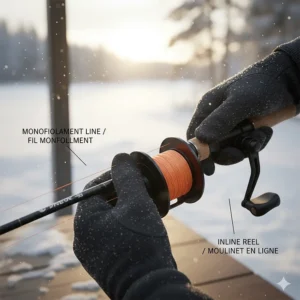
This 24″ or 26″ combo includes the rod, inline reel, 49-piece tackle kit, ice cleats for safe walking, a backpack seat for comfort, and even a portable carrying bag. The inline reel design reduces line twist—a common frustration for beginners—while the medium-light power rod handles everything from bluegill to small walleye.
What caught my attention testing this setup near Sudbury? The ice cleats. Ice thickness and safety vary significantly across Canadian lakes, and having traction devices included shows thoughtful design. The backpack seat transforms into comfortable seating that also carries your gear across the ice.
✅ Pros:
- Most comprehensive accessory package
- Inline reel reduces line twist
- Ice cleats enhance safety
❌ Cons:
- Higher initial investment
- May include items experienced anglers already own
Price: $75-95 CAD | Where: Amazon.ca
Canadian buyer feedback: Alberta anglers appreciate the all-in-one convenience, especially for families introducing kids to ice fishing. Ships within 3-5 days across Canada.
5. Shakespeare Fuel Ice Fishing Combo
Budget-conscious doesn’t mean cheap quality, and the Shakespeare Fuel Ice proves it. This straightforward combo strips away unnecessary features to deliver core performance at an unbeatable price point—perfect for testing whether ice fishing becomes your new winter obsession.
The 28-inch light power rod features a solid glass blank with enhanced sensitivity at the tip. While it won’t win design awards, the red translucent blank actually serves a purpose—it’s easier to spot in snow (trust me, this matters). The size 20 ultralight spinning reel comes pre-spooled with line, and the EVA foam handle provides decent grip even when wet.
This is your “gateway combo”—affordable enough to try without major commitment, capable enough to catch plenty of fish. Many Canadian anglers buy two or three of these to set up multiple holes simultaneously, a popular technique for first-time ice angler success.
✅ Pros:
- Lowest price point for complete combo
- Highly visible rod design
- Lightweight and easy to transport
❌ Cons:
- Basic reel with single bearing
- Guides may accumulate ice faster
Price: $30-45 CAD | Where: Amazon.ca, select retailers
Canadian buyer feedback: Ontario panfish anglers love using multiple Fuel combos for “hole hopping” strategies. Excellent value for the investment.
6. Gonex Ice Fishing Rod Reel Combo Medium Light
Step up to premium materials with the Gonex Carbon Combo, which brings carbon fiber construction to the beginner segment. This complete kit includes extras like an ice skimmer, spare rod tip, folding stool, and ice jigs—elevating your entire ice fishing experience.
The 27-inch medium-light rod combines carbon fiber with fiberglass for an optimal strength-to-weight ratio. You’ll feel the difference immediately—this rod transmits vibrations from 20 feet down as if the fish were in your hand. The spinning reel features a smooth drag system that won’t freeze, crucial for Canadian temperatures that regularly hit -20°C or colder.
What makes this a smart choice for beginners? The included folding stool. Proper ice safety gear and comfort equipment enhance the experience, and this kit provides both. The portable stool means you can fish comfortably all day, moving between productive holes without lugging heavy equipment.
✅ Pros:
- Premium carbon fiber construction
- Comprehensive accessory kit
- Excellent sensitivity for light bites
❌ Cons:
- Higher price point
- More delicate than glass rods
Price: $85-110 CAD | Where: Amazon.ca
Canadian buyer feedback: British Columbia lake trout anglers appreciate the sensitivity for deep-water fishing. Carbon construction stays responsive even in extreme cold.
7. KastKing Centron Ice Fishing Setup
Reel quality often separates frustrating ice fishing from enjoyable ice fishing. The KastKing Centron paired with a quality ice rod delivers silky-smooth performance that makes you forget you’re fishing in sub-zero temperatures.
This combo features a KastKing Centron spinning reel—praised by Canadian ice anglers for never freezing even during multi-day trips. With 9+1 shielded ball bearings and an aluminum spool, this reel performs like equipment costing twice as much. Pair it with your choice of 26″ or 30″ ice rod (sold separately or as combo), and you’ve got a setup that handles everything from perch to walleye.
The Centron’s collapsible handle fits easily in rod cases, and the instant anti-reverse ensures solid hooksets. One Manitoba angler reported using this through an entire season without a single freeze-up, even during bitter cold snaps.
✅ Pros:
- Exceptional reel performance
- Freeze-resistant operation
- Smooth drag system
❌ Cons:
- Typically requires separate rod purchase
- Higher cost for complete setup
Price: $55-75 CAD (combo pricing varies) | Where: Amazon.ca, KastKing.com
Canadian buyer feedback: Saskatchewan walleye fishermen swear by the Centron’s reliability. The collapsible handle is perfect for travel in truck cabs.
Understanding Ice Fishing Equipment Essentials 🎯
What Makes a Good Beginner Combo?
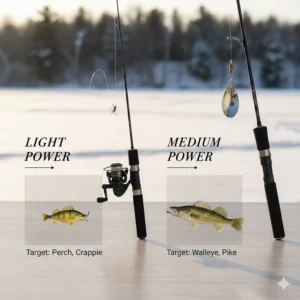
Choosing your first ice fishing combo for beginners involves balancing several factors. Rod length matters more than you might think—shorter rods (24″-28″) work best inside ice shanties, while longer options (28″-32″) shine for open-ice fishing. Power rating determines what species you can target: ultralight for panfish, light-to-medium for walleye, medium-heavy for pike.
The reel needs specific cold-weather features. Look for sealed bearings, aluminum spools (they don’t crack in cold), and smooth drags that won’t seize. Pre-spooled combos save hassle, but verify the line is rated for sub-zero temperatures—regular monofilament becomes stiff and brittle.
Rod Length and Power Guide
| Rod Length | Best Use | Target Species |
|---|---|---|
| 24″-26″ | Ice shanties, tight spaces | Panfish, perch, crappie |
| 27″-28″ | Versatile all-around | Walleye, perch, small pike |
| 29″-32″ | Open ice, larger fish | Pike, lake trout, large walleye |
Medium-light power handles 90% of Canadian ice fishing situations. It’s sensitive enough for perch yet strong enough for 5-lb walleye. Many beginners make the mistake of buying ultralight rods, then struggle when they hook into larger-than-expected fish.
Essential Accessories for Complete Ice Fishing Setup 🧰
Your complete ice fishing setup needs more than just a rod and reel. Ontario regulations require ice anglers to stay within 60 metres of their lines at all times, which influences your mobility and equipment choices.
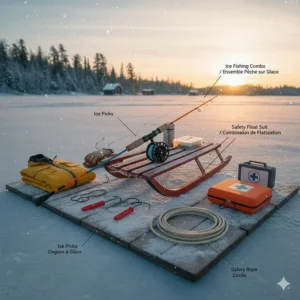
Must-Have Safety Gear
Ice Picks: Wear these around your neck—they’re your lifeline if you break through. Pull yourself out by digging into solid ice.
Ice Cleats: Strap-on cleats prevent slips on glare ice. Many accidents happen walking to fishing spots, not while fishing.
Flotation Suit or PFD: Canadian winters are unforgiving. A floatation suit keeps you afloat if the worst happens, plus provides warmth.
Ice Thickness Tool: A spud bar or auger with markings helps verify safe ice. Minimum 10 cm (4 inches) for walking, 15 cm (6 inches) for groups.
Fishing-Specific Tools
Ice Auger: Hand augers work fine for beginners. The 6-inch diameter suits most fish species found in Canadian lakes.
Ice Scoop: Clear slush from holes quickly. Metal versions with ruler markings serve double duty measuring ice thickness.
Tackle Box: Organize jigs, spoons, and terminal tackle. Waterproof models protect against snow and spray.
Line: Fluorocarbon stays flexible in cold and is nearly invisible underwater. Spool with 4-6 lb test for panfish, 8-10 lb for walleye.
Top Ice Fishing Techniques for Beginners 🏒
Jigging Fundamentals
The most effective technique involves rhythmic rod movements called jigging. Lift your rod 15-30 cm, then drop it back. This action makes your lure appear alive, triggering predatory instincts. Vary your jigging speed—aggressive lifts for active fish, subtle twitches when they’re finicky.
Watch your line constantly. Sometimes bites feel like gentle weight, other times the line simply goes slack. Set the hook with a firm upward sweep, not a violent jerk. Your starter ice fishing kit should include several jig sizes from 1/32 oz for panfish to 1/4 oz for walleye.
Using Tip-Ups for Multiple Lines
Canadian regulations permit two lines when ice fishing in most areas, making tip-ups valuable tools. These devices hold your line at specific depths and signal strikes with a visible flag. Set one tip-up with live minnows while actively jigging another hole—doubling your chances.
Position tip-ups over deeper water where larger fish cruise. Use 8-12 lb test line since you can’t fight fish with rod sensitivity. When the flag pops, walk—don’t run—to the tip-up. Set the hook firmly and hand-over-hand retrieve the line.
Location Strategy
Fish don’t distribute randomly under ice. They follow structure: drop-offs, weed edges, rocky points. Start shallow (8-12 feet) early morning and late afternoon when fish feed actively. Move deeper (15-25 feet) during midday lulls.
Drill multiple holes in a grid pattern 15-20 metres apart. Test each hole for 10-15 minutes before moving. Successful ice fishing involves mobility—don’t camp at one spot hoping fish appear.
Canadian Ice Fishing Regulations and Safety ⚖️
Provincial Licensing Requirements
Every province mandates fishing licenses for anglers 18 and older. In Ontario, you need an Outdoors Card plus a fishing license (sport or conservation). Quebec, Alberta, and other provinces have similar systems. Licenses can be purchased online through provincial websites or at authorized retailers like Canadian Tire.
Non-residents pay higher fees but gain access to world-class ice fishing. A three-year Ontario license often provides better value than annual renewals. Always carry your license and Outdoors Card while fishing—fines for non-compliance start at $500.
Ice Safety Guidelines
The Canadian Red Cross recommends minimum 15 centimetres of clear blue ice for one person, 20 centimetres for groups. White or opaque ice is only half as strong as clear ice, requiring double thickness. Always test ice thickness as you move—it varies dramatically even on small lakes.
Dangerous areas include:
- River inlets and outlets (current weakens ice)
- Springs and underwater vegetation
- Dark shorelines and rocky points (absorb sun heat)
- Areas with snow cover (insulates and slows freezing)
Never fish alone. Tell someone your location and expected return time. Carry a fully charged cell phone in a waterproof case—many remote areas now have coverage.
Species Limits and Seasons
Each province sets specific catch limits and size restrictions. Ontario walleye limits vary by zone but typically allow 4-6 fish with slot sizes protecting breeding populations. Lake trout often have stricter limits (2-3 fish) with length requirements.
Some waters have special regulations requiring barbless hooks or catch-and-release for certain species. Check provincial regulation summaries before fishing new waters. Violations carry serious penalties including equipment confiscation and court appearances.
Choosing the Right Species to Target 🐟
Panfish: Perfect for Beginners
Yellow perch, crappie, and bluegill offer consistent action ideal for learning ice fishing basics. They school heavily in winter, so finding one means catching many. Target depths of 10-20 feet near weed beds or rocky structure.
Use small jigs (1/32-1/16 oz) tipped with wax worms or spikes. Ultralight or light power rods in the 24″-26″ range provide the sensitivity needed for subtle panfish bites. These species feed throughout the day, removing pressure to fish only dawn and dusk.
Walleye: The Holy Grail
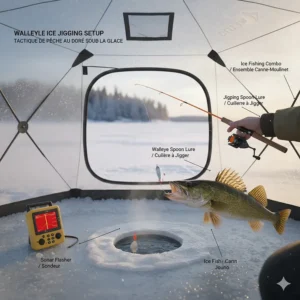
Walleye represent the pinnacle of Canadian ice fishing—delicious table fare and challenging to catch. They prefer low-light conditions, feeding heavily at dawn, dusk, and into darkness. Target depths of 15-30 feet along drop-offs and transition zones.
Effective lures include jigging spoons (1/4-3/8 oz), rattlebaits, and tungsten jigs tipped with minnows. A medium power rod in 27″-28″ length handles walleye perfectly. These fish fight harder than their size suggests, requiring steady pressure and a sharp hook.
Northern Pike: Aggressive Predators
Pike provide explosive action perfect for anglers seeking adrenaline. These ambush predators lurk near weed edges in 8-15 feet of water. They’ll strike aggressively, often hitting lures larger than beginners expect.
Use medium-heavy power rods with larger spoons (1/2-1 oz) or tip-ups with large minnows (6-10 inches). Pike have razor-sharp teeth, so add a wire leader to prevent bite-offs. Their powerful runs test equipment, making them excellent for learning proper fish-fighting techniques.
Beginner Ice Fishing Guide Canada: Regional Hotspots 🗺️
Ontario’s Premier Destinations
Lake Simcoe: Located near Toronto, Simcoe offers accessible ice fishing for perch, whitefish, and lake trout. Rental huts and guide services cater to beginners, providing equipment and local knowledge.
Lake Nipissing: This massive lake near North Bay produces incredible walleye fishing. Shallow bays freeze early, offering extended seasons. Many resorts provide hut rentals and shuttle services.
Quinte Region: The Bay of Quinte between Lake Ontario and Prince Edward County delivers world-class walleye action. Shore-based access makes it perfect for first-time ice anglers without snowmobiles.
Prairie Province Opportunities
Lake Winnipeg: Manitoba’s giant lake produces trophy-sized walleye and northern pike. The south basin near Winnipeg offers easy access with numerous outfitters.
Last Mountain Lake: Saskatchewan’s premier ice fishing destination features superb walleye and pike action. Multiple provincial parks provide launch facilities and services.
Quebec’s Hidden Gems
Reservoir Baskatong: This massive reservoir northwest of Montreal teems with walleye and pike. French-speaking guides offer beginner-friendly packages.
Lake Memphrémagog: Straddling the Quebec-Vermont border, this deep, clear lake produces lake trout and landlocked salmon through the ice.
Maintenance and Storage Tips for Longevity 🔧
Post-Trip Care
Never store ice fishing gear wet. Water freezes overnight, damaging rod guides and reel mechanisms. After each trip, bring equipment indoors and wipe everything dry with towels. Let rods stand upright until completely dry—moisture trapped in ferrules causes corrosion.
Reels require special attention. Open the bail and let it air-dry completely. If the reel got soaked (from falling in slush), remove the spool and dry it separately. Apply light reel oil to bearings before storage, preventing rust during off-season.
Line Maintenance
Fluorocarbon line lasts multiple seasons with proper care, but inspect it regularly for nicks and abrasions. Ice edges and rocks create weak spots that break under fish pressure. Strip off the first 10-20 feet if damaged and retie your leader.
Remove line completely at season’s end. Old line weakens and develops memory coils that tangle constantly. Fresh line each season costs $10-15 but prevents heartbreaking break-offs on trophy fish.
Off-Season Storage
Store rods horizontally or hanging vertically—never leaning in corners where they bend and weaken. Garage or basement storage works fine; avoid attics where temperature extremes damage blanks. Keep tackle boxes sealed to prevent lure corrosion.
Reels should be stored with slightly loose drags to prevent spring compression damage. If possible, remove reels from rods for separate storage. This simple step prevents pressure on rod seats that can crack over time.
Maximizing Your Ice Fishing Budget 💰
When to Buy for Best Prices
Canadian ice fishing gear follows predictable sales patterns. Late-season clearances (late March through April) offer 30-50% discounts as retailers clear inventory. Black Friday and Boxing Day sales provide excellent deals on major brands.
Purchase off-season (summer months) for selection and reasonable prices without crowds. Many online retailers run surprise flash sales—sign up for email notifications from Canadian fishing suppliers like Sail, Bass Pro Shops Canada, and Canadian Tire.
What to Splurge On vs. Save
Invest in:
- Quality reel: Smooth drags and sealed bearings justify higher costs
- Ice auger: Manual augers last decades with minimal maintenance
- Safety equipment: Flotation suits and ice picks aren’t worth cutting corners
Save on:
- Initial rod: Entry-level rods perform adequately for learning
- Basic tackle: Generic jigs catch as many fish as expensive brands
- Accessories: Start simple, add luxuries after confirming your interest
The sweet spot for beginner combos falls between $50-80 CAD. Cheaper setups frustrate with poor performance; expensive gear offers minimal advantages for novices.
Learn Ice Fishing Basics: Common Mistakes to Avoid ⚠️
Overdressing and Discomfort
New ice anglers often bundle in excessive layers, causing sweating and eventual chilling. Dress in breathable layers—moisture-wicking base layer, insulating mid-layer, wind/waterproof shell. Remove layers when active (drilling holes, walking), add them when sedentary.
Quality boots make or break comfort. Felt-lined pac boots rated to -40°C keep feet warm during all-day sessions. Cotton socks absorb sweat and freeze—always wear wool or synthetic blends.
Poor Hole Management
Drilling too many holes wastes energy and time. Start with 3-5 strategic holes, testing each thoroughly before drilling more. Clear slush immediately—it refreezes quickly, making fishing difficult.
Mark productive holes with small flags or sticks. On popular lakes with dozens of anglers, relocating successful spots becomes challenging without markers. Take GPS coordinates of hot spots for future trips.
Ignoring Weather Forecasts
Canadian winter weather changes rapidly. A pleasant morning can deteriorate into whiteout conditions by afternoon. Check Environment Canada forecasts before every trip. Wind chill values below -25°C create frostbite risk—limit exposure or fish in shelters.
Falling snow obscures landmarks, causing dangerous disorientation. Carry a GPS device or smartphone with offline maps. Many anglers also use portable ice shelters that provide emergency refuge during sudden storms.
Setting Expectations Too High
Your first ice fishing trips may produce few or no fish. This sport requires patience and persistence. Experienced anglers develop location instincts through seasons of trial and error. Don’t judge ice fishing by initial results—the learning curve is part of the adventure.
Focus on process over outcome. Practice proper jigging techniques, learn to read electronics (if you have them), and observe other successful anglers. Skills develop gradually, and suddenly everything clicks—you’ll wonder why fishing ever seemed difficult.
✨ Don’t Miss These Exclusive Deals!
🔍 Take your ice fishing combo for beginners to the next level with these carefully selected products available in Canada. Click on any highlighted item to check current pricing and availability on Amazon.ca. These tools will help you create authentic memories your family will cherish!
FAQ: Beginner Ice Fishing Questions Answered ❓
❓ What is the best ice fishing combo for beginners in Canada?
❓ How thick does ice need to be for safe ice fishing in Canada?
❓ What size ice fishing rod should a beginner buy in Canada?
❓ Do I need a fishing license for ice fishing in Canada?
❓ What's the price range for beginner ice fishing combos in Canada?
Conclusion: Start Your Ice Fishing Adventure Today! 🎣
Choosing the perfect ice fishing combo for beginners doesn’t require expert knowledge or a massive budget. Whether you opt for the legendary durability of the Ugly Stik GX2, the comprehensive package of the PLUSINNO Ice III, or the budget-friendly Shakespeare Fuel, you’re now equipped with the knowledge to make an informed decision.
Remember, the best gear is the gear you’ll actually use. Start with a quality complete ice fishing setup in the $50-80 CAD range, invest in proper safety equipment, and spend your first season learning the basics. As your skills develop and you discover your favourite species and techniques, you can upgrade components strategically.
Canadian winters offer incredible opportunities for first-time ice anglers. Our lakes and rivers harbour world-class fisheries just waiting under the ice. From panfish perfect for family outings to trophy walleye that test your skills, ice fishing provides endless winter entertainment.
Don’t let another Canadian winter pass without experiencing this incredible tradition. Grab your starter ice fishing kit, check the ice thickness, and head to your nearest frozen lake. The fish are waiting, and your next memorable catch is just one hole away.
Stay safe, stay warm, and tight lines! 🍁
Recommended for You
- 7 Best Cheap Ice Fishing Rods Canada 2026
- 7 Best Ice Fishing Combo 2026: Premium Gear Canada
- 7 Best Ice Fishing Rods Canada for Winter Success 2026
✨ Found this helpful? Share it with your friends! 💬🤗
