
In This Article
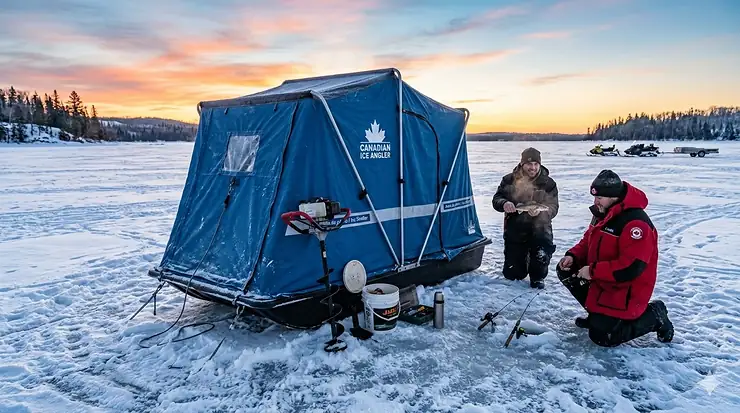
Picture this: you’re dragging gear across a frozen lake in -25°C weather, wind whipping across the ice, and you need shelter fast. That’s where a flip over ice shelter becomes your best friend on the ice. Unlike traditional hub-style shelters that require tedious setup, these ingenious designs literally flip up and lock into place in seconds, transforming from a towable sled into a cosy fishing fortress faster than you can say “walleye.”
For Canadian ice anglers facing our notoriously brutal winters, a quality flip over ice shelter isn’t just convenient—it’s essential survival gear. The history of ice fishing shelters dates back generations, but modern flip-over designs have revolutionised the sport since Dave Genz introduced the original “Fish Trap” in 1980. Today’s models combine rugged construction, superior insulation, and clever engineering to keep you warm and productive during those long days chasing lake trout, pike, or perch through the ice.
Whether you’re pulling your shelter by hand across early-season ice or towing it behind your snowmobile to your favourite walleye spot on Lake Simcoe, choosing the right flip over ice shelter can make or break your winter fishing season. This comprehensive guide examines seven top-rated options available across Canada in 2026, from budget-friendly one-person models to premium four-angler behemoths designed to withstand the harshest conditions from Newfoundland to British Columbia.
Quick Comparison Table: Top Flip Over Ice Shelters
| Model | Capacity | Fishable Area | Insulation | Price (CAD) | Best For |
|---|---|---|---|---|---|
| Clam X100 Pro Thermal | 1 person | 22 sq ft | 900D thermal | $625-$750 | Solo run-and-gun |
| Eskimo Sierra | 2 person | 28 sq ft | IceTight fabric | $699-$849 | Lightweight portability |
| Otter XT X-Over Cabin | 2 person | 35 sq ft | Thermal quilted | $1,399-$1,589 | Premium comfort |
| Frabill Aegis 2000 | 2 person | 30 sq ft | Insulated skin | $799-$949 | Versatile seating |
| Clam Nanook 2-Man | 2 person | 32 sq ft | Standard fabric | $549-$699 | Budget-conscious |
| Eskimo Eskape 2600 | 2-3 person | 38 sq ft | IQ insulated | $1,299-$1,499 | Larger groups |
| Otter Pro XS X-Over | 2-4 person | 46 sq ft | Premium thermal | $1,649-$1,899 | Serious anglers |
💬 Just one click – help others make better buying decisions too! 😊
✨ Don’t Miss These Exclusive Deals!
🔍 Take your ice fishing to the next level with these carefully selected products available in Canada. Click on any highlighted item to check current pricing and availability on Amazon.ca. These tools will help you create authentic memories your family will cherish!
Top 7 Flip Over Ice Shelters: Expert Analysis
1. Clam X100 Pro Thermal XT – Best Solo Run-and-Gun Shelter
The Clam X100 Pro Thermal XT represents everything serious solo ice anglers need in a lightweight, rugged package. Built for Canadian conditions, this one-person powerhouse features a full thermal 900-denier skin with 90 grams of insulation per square metre—keeping you warm even when temperatures plummet to -30°C.
Key Specifications:
- Fishable area: 22 square feet
- Weight: 65 pounds
- Insulation: Full thermal skin
- Frame: 1.25″ diameter one-piece poles
This shelter’s genius lies in its simplicity. No extendable poles mean you truly flip and go—pull up to your spot, unlock the sled, and flip the shelter up in under 30 seconds. The ultra-tough roto-moulded tub withstands abuse from rocks, ice chunks, and rough portages that would destroy lesser sleds. Canadian anglers particularly appreciate the travel cover and integrated light stick included with the Pro Thermal version.
Price Range: $625-$750 CAD depending on retailer and seasonal promotions.
Customer feedback from Ontario and Quebec anglers consistently praises its windproof performance and heat retention. One Manitoba angler reported staying comfortable for six hours in -28°C conditions with just a small propane heater.
Pros:
✅ Lightning-fast setup for mobile fishing
✅ Exceptional thermal insulation for Canadian winters
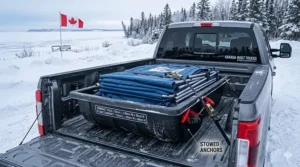
✅ Compact size fits in most truck beds
Cons:
❌ Tight quarters for anglers over 6’2″
❌ Limited storage space compared to two-person models
2. Eskimo Sierra – Best Lightweight Two-Person Shelter
For pairs of “runners and gunners” who value portability above all else, the Eskimo Sierra delivers impressive protection in an ultra-light package. This flip shelter weighs just 78 pounds yet provides 28 square feet of fishing space—enough for two anglers to fish comfortably without feeling cramped.
Key Specifications:
- Fishable area: 28 square feet
- Weight: 78 pounds
- Fabric: IceTight high thread-count
- Seating: Two fixed Versa seats
Eskimo’s IceTight fabric technology creates a tightly-woven barrier against wind and moisture without the bulk of quilted insulation. The result? A shelter you can actually pull by hand across early ice without exhausting yourself. The aluminium square-tube framework snaps together in seconds and locks halfway for windbreak mode on those deceptively sunny -10°C days.
Price Range: $699-$849 CAD across Canadian retailers.
British Columbia anglers fishing mountain lakes particularly value the Sierra’s portability—it’s light enough to haul to remote spots inaccessible by snowmobile. The removable Versa seats flip forward for storage access or can be completely removed via hitch pins.
Pros:
✅ Exceptionally lightweight for hand-pulling
✅ Windbreak mode for sunny days
✅ YKK zippers resist freezing
Cons:
❌ Non-insulated fabric requires supplemental heating
❌ Minimal sled depth limits gear storage
3. Otter XT X-Over Cabin – Best Premium Mid-Size Shelter
When you want flip-over convenience with hub-style comfort, the Otter XT X-Over Cabin represents the pinnacle of two-person shelter design. Otter’s legendary roto-moulded construction creates a virtually indestructible sled that laughs at Canadian ice conditions, while the thermal quilted fabric keeps heat locked inside.
Key Specifications:
- Fishable area: 35 square feet
- Weight: 105 pounds
- Construction: 100% roto-moulded sled
- Frame: Oversized square-tube aluminium
Otter’s patented Ultra-Glide system uses nylon inserts for buttery-smooth setup and teardown even in extreme cold. The ergonomic bucket seats provide genuine comfort during all-day sessions, and the X-Over side entry doors combine traditional front access with quick-swap convenience. Canadian anglers appreciate the uniform wall thickness throughout the sled—no weak points to crack under stress.
Price Range: $1,399-$1,589 CAD (often discounted to $1,399 CAD).
Alberta ice fishermen targeting trophy lake trout particularly value this shelter’s stability in high winds. The seamless roto-moulded construction eliminates welds and joints where other sleds eventually fail. One Saskatchewan angler reported five seasons of hard use with zero structural issues.
Pros:
✅ Bulletproof roto-moulded construction
✅ Superior wind stability and heat retention
✅ Most comfortable seating in its class
Cons:
❌ Higher price point than competitors
❌ Heavier weight requires snowmobile or ATV for longer hauls
4. Frabill Aegis 2000 – Best Versatile Seating Options
The Frabill Aegis 2000 earns its place through exceptional adaptability. Named after the legendary shield protecting Greek gods, this shelter lives up to its mythological inspiration by offering five different seating configurations and three insulation levels—letting you customise your setup for varying conditions and fishing styles.
Key Specifications:
- Fishable area: 30 square feet
- Seating: Padded trunk seats with multiple positions
- Insulation: Mid-level insulated skin
- Design: Front door with ventilation options
Frabill designed the Aegis series specifically for easy transport and simplified setup. The compact design fits in most truck beds, while the surprisingly spacious interior provides ample room for two anglers and their electronics. The padded trunk-style seats double as storage, keeping essential gear accessible yet protected.
Price Range: $799-$949 CAD depending on configuration.
Ontario perch anglers appreciate the versatility—you can quickly reconfigure seating when switching from jigging to tip-up fishing. The front door design provides excellent ventilation control, crucial when running propane heaters in enclosed spaces. Maritime anglers fishing through thick ice report the Aegis handles their demanding conditions admirably.
Pros:
✅ Five seating configurations for different fishing styles
✅ Excellent ventilation and door design
✅ Compact transport size
Cons:
❌ Mid-grade insulation less effective in extreme cold
❌ Fabric durability concerns in harsh conditions
5. Clam Nanook 2-Man – Best Budget-Friendly Option
Not everyone needs premium features, and the Clam Nanook 2-Man proves you don’t have to mortgage your cottage for quality ice shelter performance. This value-oriented model provides solid protection and functionality at a price point accessible to occasional anglers and families introducing kids to ice fishing.
Key Specifications:
- Fishable area: 32 square feet
- Fabric: Standard 300-denier
- Weight: 85 pounds
- Features: Basic bench seating
Don’t mistake “budget” for “cheap.” Clam built the Nanook with the same attention to engineering that defines their premium lines, just with fewer bells and whistles. The standard fabric lacks thermal insulation but still blocks wind effectively, and the straightforward design means fewer components to break or malfunction.
Price Range: $549-$699 CAD at Canadian Tire and fishing specialty stores.
Quebec anglers fishing shorter half-day sessions find the Nanook perfectly adequate, especially when layering with quality ice-fishing apparel. The larger fishable area compared to similarly-priced competitors provides excellent value. First-time shelter buyers consistently report satisfaction with the Nanook’s performance for the price.
Pros:
✅ Excellent value for money
✅ Generous fishable area for the price
✅ Simple, reliable design
Cons:
❌ Non-insulated fabric requires warmer clothing
❌ Basic seating lacks padding
6. Eskimo Eskape 2600 – Best for Larger Groups
When two anglers isn’t enough and you want to bring the kids or fishing buddies, the Eskimo Eskape 2600 stretches the flip-over concept to accommodate 2-3 people comfortably. With 38 square feet of fishable space, this shelter provides genuine elbow room without sacrificing the portability advantages of flip-over design.
Key Specifications:
- Fishable area: 38 square feet
- Capacity: 2-3 anglers
- Insulation: IQ (Insulated Quilted) fabric
- Weight: 120 pounds
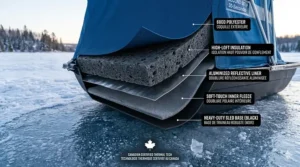
Eskimo’s IQ fabric delivers 35% more warmth than comparable non-insulated shelters while reducing interior condensation—a genuine problem in larger shelters with multiple people and heaters running. The dual-directional folding bench seat cleverly folds down when not needed or up for easy sled access, maximising the usable space.
Price Range: $1,299-$1,499 CAD from Canadian fishing retailers.
Manitoba family anglers love this shelter for weekend ice fishing trips. The extra space accommodates a parent with two kids plus gear without the claustrophobic feeling of smaller shelters. Saskatchewan walleye tournaments often see the Eskape 2600 because it provides team members room to strategise and swap positions.
Pros:
✅ Spacious interior for families or groups
✅ IQ insulation provides excellent warmth
✅ Clever folding seat design
Cons:
❌ 120-pound weight limits portability
❌ Requires vehicle for most hauls
7. Otter Pro XS X-Over – Best for Serious Anglers
For ice fishing professionals, tournament anglers, and serious enthusiasts who spend more time on ice than off, the Otter Pro XS X-Over represents the ultimate flip-over shelter. This beast accommodates 2-4 anglers in 46 square feet of premium comfort, featuring every innovation Otter has developed over decades of shelter engineering.
Key Specifications:
- Fishable area: 46 square feet
- Capacity: 2-4 anglers
- Construction: Premium roto-moulded sled
- Insulation: Top-tier thermal fabric
- Frame: Heavy-duty oversized tubing
This isn’t just a shelter—it’s a mobile fishing command centre. The X-Over series features Otter’s signature side-entry doors, deluxe padded seating, integrated storage solutions, and a frame system designed to withstand blizzard-force winds. The premium thermal fabric creates an environment where you’ll fish in shirtsleeves while temperatures outside plunge below -35°C.
Price Range: $1,649-$1,899 CAD (premium positioning).
Professional guides working Lake of the Woods and Great Slave Lake rely on the Pro XS X-Over for its bulletproof reliability and client comfort. The investment pays dividends in durability—many guides report 10+ seasons of daily use with minimal maintenance. Tournament walleye anglers appreciate the space for electronics, multiple rods, and tackle organisation.
Pros:
✅ Absolute top-tier construction and features
✅ Exceptional space and comfort
✅ Proven long-term durability
Cons:
❌ Significant upfront investment
❌ Large size and weight require substantial vehicle
🎯 Ready to Upgrade Your Ice Fishing Experience?
💎 These top-rated shelters represent the best options available to Canadian anglers in 2026. Click any highlighted shelter name to view current Amazon.ca pricing, read customer reviews, and check availability in your province. Don’t let another season pass by without the protection and comfort you deserve!
Understanding Flip Over Ice Shelters: What Makes Them Special
A flip over ice shelter represents one of the cleverest innovations in ice fishing gear. The concept behind portable ice shelters evolved from simple wind barriers to sophisticated portable structures, but flip-overs solve a critical problem: How do you transport shelter and gear together while maintaining quick deployment?
The Engineering Behind the Design
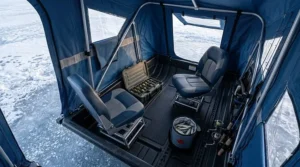
The flip over ice shelter integrates three essential components into one package. First, the sled base serves double duty as transportation and storage—you pile your auger, electronics, tackle, and heater into the tub, then pull everything to your spot in one trip. Second, the framework mounts directly to the sled and “flips” up and over attached seating when deployed. Third, the shelter fabric wraps this framework, creating an enclosed fishing space in literally seconds.
This integrated design contrasts sharply with hub-style shelters that require separate sleds for transport. While hubs offer more space and headroom, flip-overs win decisively for mobility. Canadian anglers chasing nomadic fish species like crappies or exploring new lakes particularly value this run-and-gun capability.
Insulation Types Explained
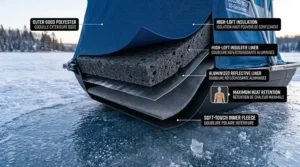
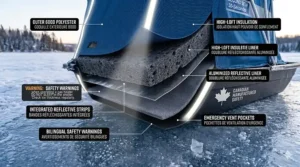
Understanding shelter insulation helps you match products to Canadian winter conditions. IceTight fabric from Eskimo uses tightly-woven high thread-count material that blocks wind and moisture but provides minimal heat retention—think windbreaker versus winter coat. These shelters work brilliantly for shorter sessions or when fishing actively enough to generate body heat.
Thermal or quilted insulation incorporates actual insulating material between fabric layers, typically 60-90 grams per square metre. This construction traps heat dramatically better, reducing propane heater requirements and extending fishing time in extreme cold. StormShield fabric, Eskimo’s premium offering, features 80 grams of high-loft insulation in a four-layer, 900-denier construction that maximises warmth while minimising condensation.
Sled Construction Matters More Than You Think
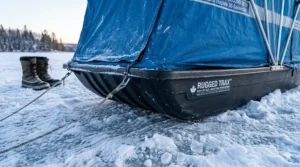
Cheap sleds crack. Period. Canadian ice conditions punish inferior materials mercilessly—freeze-thaw cycles, impacts with ice chunks, the stress of being dragged over rough portages. Quality shelters use either heavy-duty roto-moulded construction (Otter’s specialty) or ultra-tough injection-moulded designs (Clam and Eskimo favour these).
Roto-moulding creates seamless sleds with uniform wall thickness and no weak joints. The process distributes extra material to high-stress areas like runners and corners. Injection-moulding can produce lighter sleds with integrated features, though junction points may eventually fail under extreme abuse. Both technologies vastly outperform cheap thin-wall sleds that crack after one season.
How to Choose the Perfect Flip Over Ice Shelter for Canadian Conditions
1. Determine Your Capacity Needs
Honestly assess how many people fish together regularly. Solo anglers gain maximum mobility with one-person shelters like the Clam X100 Pro Thermal. Fishing with a partner? Two-person models from Eskimo Sierra to Otter XT X-Over Cabin provide comfort without excess bulk. Families or groups need larger options like the Eskimo Eskape 2600 or Otter Pro XS X-Over.
Remember that manufacturer capacity ratings represent theoretical maximums. A “two-person” shelter feels spacious with one angler and cosy with two—especially when everyone’s wearing bulky winter gear. If you fish with a child, two-person shelters work perfectly. Two full-size adults? Consider bumping up a size category.
2. Match Insulation to Your Climate
Southern Ontario anglers facing -15°C winters can prosper with lighter insulation and supplemental clothing. Northern Quebec, Manitoba, or Alberta anglers regularly enduring -30°C to -40°C conditions absolutely need premium thermal fabrics. The Prairies demand serious insulation—wind chill on frozen lakes dramatically exceeds ambient temperatures.
Maritime provinces present unique challenges with variable temperatures and high humidity. Thermal insulation helps, but ventilation becomes crucial to manage condensation from temperature fluctuations and ocean-influenced weather patterns. Look for shelters with adjustable vents and quality door seals.
3. Consider Your Transportation Method
Hand-pulling shelters limits practical weight to about 80-90 pounds for most anglers, particularly across snow or rough ice. The Eskimo Sierra at 78 pounds represents the sweet spot for human-powered transport. Snowmobile or ATV users can handle 100-150 pound shelters comfortably. Truck-transported anglers fishing accessible lakes can opt for behemoths like the Otter Pro XS X-Over without concern.
Provincial regulations vary regarding ice access and vehicle restrictions. Ontario’s ice fishing regulations require ice hut registration in specific zones and mandate removal dates to prevent thaw-related issues. Check your provincial guidelines before investing in permanent or heavy shelters.
4. Budget Realistically for Quality
Ice fishing shelters represent serious investments, but quality pays dividends through years of reliable service. Budget models ($549-$750 CAD) like the Clam Nanook 2-Man serve casual anglers perfectly. Mid-range options ($799-$1,299 CAD) including the Frabill Aegis 2000 and Eskimo Eskape 2600 balance features and value for regular users.
Premium shelters ($1,399-$1,899 CAD) like Otter XT X-Over models cater to serious enthusiasts who fish 20+ days annually. The superior construction, comfort, and durability justify higher costs through extended lifespans and enhanced fishing experiences. Tournament anglers and guides should budget premium—your shelter becomes your office.
5. Evaluate Portability Versus Comfort Trade-offs
Flip-over shelters exist on a spectrum from ultra-portable to supremely comfortable, and physics prevents maximising both simultaneously. Lighter shelters sacrifice insulation, sled capacity, and interior space. Heavier models provide hotel-like comfort but demand vehicles for transport.
Identify your priorities honestly. Run-and-gun anglers chasing walleyes across vast lakes need mobility—choose lighter, simpler designs. Weekend warriors planning all-day sessions in established spots benefit from larger, more comfortable shelters. Many Canadian anglers eventually own two shelters: a lightweight scout for exploration and a premium base camp for extended fishing.
6. Don’t Overlook Canadian-Specific Features
Shipping costs and import duties affect prices significantly, so verify products ship to Canada economically. Major brands sell through Canadian retailers including Canadian Tire, Bass Pro Shops Canada, and specialty fishing shops—supporting domestic retailers often provides better warranty service and easier returns.
Consider metric measurements when comparing specifications. Fishable areas expressed in square feet should convert mentally to square metres for intuitive understanding. Temperature ratings use Celsius in Canadian contexts, though manufacturer specs often default to Fahrenheit. A shelter rated to 0°F (-18°C) won’t suffice for -35°C Saskatchewan winters without substantial supplemental heating.
7. Plan for Essential Accessories
Budget beyond the shelter itself. Quality ice anchors prevent wind-related disasters—spending $30-60 CAD on proper anchors saves potential shelter replacement costs. Travel covers protect shelters during transport and storage, extending fabric life significantly. Replacement runners or hyfax kits ($59.99+ CAD) eventually become necessary on heavily-used sleds.
Lighting transforms shelters from functional to pleasant. Battery-powered LED light strips draw minimal power while illuminating your fishing space adequately. Some anglers install permanent lighting systems powered by portable batteries, creating genuinely comfortable environments for dawn-to-dusk sessions.
Benefits of Flip Over Ice Shelters Versus Traditional Alternatives
| Feature | Flip Over Shelter | Hub Style Shelter | Permanent Shack |
|---|---|---|---|
| Setup Time | 30-60 seconds | 3-5 minutes | Seasonal placement |
| Mobility | Excellent – integrated sled | Moderate – separate sled needed | None – stationary |
| Fishable Space | Moderate (22-46 sq ft) | Large (50-120 sq ft) | Very Large (60-200+ sq ft) |
| Transportation | Single unit | Two pieces | Trailer required |
| Price Range (CAD) | $549-$1,899 | $399-$1,499 | $3,000-$15,000+ |
| Best Use Case | Mobile fishing, exploration | Groups, extended sessions | Seasonal base camps |
| Provincial Regulations | Minimal requirements | Registration in some zones | Registration mandatory |
Why Canadian Anglers Choose Flip-Overs
The Canadian ice fishing season demands adaptability. Early ice presents thin, unpredictable conditions where lightweight portability matters tremendously. Mid-season brings stable ice allowing vehicle access, but fish location changes daily—mobility wins again. Late season sees warming temperatures and deteriorating ice, rewarding anglers who fish conservatively near shore with easily-moved shelters.
Flip over ice shelters excel across this entire seasonal spectrum. You can hand-pull them during early ice exploration, snowmobile-haul them to mid-season honey holes, and quickly relocate when late-season conditions become sketchy. Hub shelters work wonderfully but require separate transportation and slower setup. Permanent shacks provide unmatched comfort but tie you to specific locations regardless of fishing conditions.
The Flip Over Sled Combo Advantage
Integrated sled design creates storage efficiency hub users envy. Everything travels together—auger, electronics, heater, tackle, tip-ups, and lunch all fit in the sled. Arrive at your spot, flip the shelter up, and start fishing. No separate sled to secure, no scattered gear, no multiple trips from shore.
This integration particularly benefits solo anglers. Hand-pulling a flip-over loaded with gear remains challenging but feasible. Attempting similar with hub shelters requiring separate sleds becomes exhausting quickly. The flip over sled combo transforms one-person ice fishing from logistical nightmare to practical reality.
Popular Flip Over Ice Shelter Brands in Canada
Clam Outdoors: Innovation Leaders
Clam pioneered modern portable ice shelters and continues pushing boundaries. Their extensive lineup spans budget-friendly options to premium thermal shelters, all engineered for serious fishing. The X-Series particularly impresses with full thermal skins and rugged construction designed for guides and tournament pros.
Canadian availability remains excellent through multiple retail channels. Clam’s warranty service generally receives positive feedback, and parts availability supports long-term ownership. The company’s commitment to innovation means their shelters frequently incorporate cutting-edge features before competitors catch up.
Eskimo Ice Fishing Gear: Heritage Brand
Operating since 1960, Eskimo brings deep ice fishing knowledge to shelter design. Their fabric technology—IceTight, IQ, and StormShield—provides options across insulation needs and budgets. The Sierra and Eskape series particularly suit Canadian conditions with thoughtful features addressing real-world fishing challenges.
Eskimo shelters ship readily to Canadian addresses, and their dealer network spans the country. Product durability earns consistent praise, with many anglers reporting 8-10 season lifespans on well-maintained shelters. The company’s employee-owned structure (part of Ardisam, Inc.) seemingly correlates with customer-focused design decisions.
Otter Outdoors: Premium Construction
Otter’s obsession with roto-moulded sled construction creates the most durable shelters available. Period. Their sleds withstand abuse that destroys competitors, and the seamless construction eliminates failure points. The X-Over series represents the pinnacle of flip-over engineering—premium materials, thoughtful design, and exceptional comfort.
Expect premium pricing for Otter products, but the investment pays dividends through extended lifespan and superior fishing experiences. Canadian tournament anglers and professional guides overwhelmingly choose Otter when shelter failure isn’t acceptable. Availability through specialty fishing retailers ensures expert advice accompanies purchases.
Frabill: Versatility Champions
Frabill approaches shelter design from a versatility angle, evident in their Aegis series offering multiple seating configurations and insulation levels. This adaptability appeals to anglers fishing varied conditions or sharing shelters among family members with different preferences.
Canadian distribution focuses on specialty fishing shops rather than big-box retailers, sometimes affecting pricing and availability. However, the company’s focus on practical, user-friendly features resonates with experienced anglers who appreciate thoughtful design over flashy marketing.
Flip Over Ice Shelter Maintenance for Canadian Winters
Extending Shelter Lifespan
Quality shelters properly maintained last 10+ seasons of regular use. After each trip, clear snow and ice from fabric before storage—frozen moisture trapped in folds degrades material over time. Brush or shake fabric rather than scraping, which damages coatings and creates micro-tears that eventually become major failures.
Store shelters in dry, temperature-controlled spaces when possible. Garages work adequately; avoid damp basements or outdoor sheds where humidity and temperature fluctuations accelerate degradation. Unzip doors and ventilation panels during storage, preventing moisture accumulation and allowing air circulation.
Sled Care Prevents Failures
Inspect runners regularly for cracks, gouges, or excessive wear. Replacement hyfax kits cost $59.99+ CAD but prevent catastrophic sled failure mid-season. Apply furniture wax or specialized sled lubricants to runners before each season—this simple step dramatically reduces pulling resistance and sled wear.
Check all mounting hardware annually, tightening loose bolts and replacing corroded fasteners. Stainless steel hardware resists Canadian winter corrosion better than standard fasteners. Pay particular attention to frame mounting points and hinge mechanisms where stress concentrates during setup and teardown.
Fabric Repairs and Replacements
Small tears repaired promptly prevent expansion. Quality tent repair tape available at outdoor retailers creates watertight patches lasting multiple seasons. For thermal insulated fabrics, ensure patches cover both exterior and interior layers maintaining insulation integrity.
Major fabric damage sometimes warrants professional repair or replacement. Many manufacturers offer replacement skins, though costs approach 40-60% of new shelter prices. Evaluate repair costs versus purchasing newer models with improved features—sometimes upgrading makes better financial sense than repairing old shelters.
Off-Season Preparation
Spring cleaning extends shelter life significantly. Wash fabrics with mild soap and water, thoroughly rinsing away salt, fish slime, and winter grime. Allow complete drying before storage—even slight dampness promotes mold and mildew in enclosed storage spaces.
Lubricate zippers with silicone spray or specialized zipper lubricant. Quality YKK zippers resist failure but benefit from annual maintenance. Apply lubricant along the entire zipper length, working it into the mechanism with repeated opening and closing.
Safety Considerations for Canadian Ice Fishing
Ice Thickness Guidelines
Canadian ice fishing safety requires vigilance and conservative judgment. General thickness guidelines suggest 10 centimetres (4 inches) minimum for individual anglers, 20 centimetres (8 inches) for small groups, and 30+ centimetres (12+ inches) for snowmobiles or ATVs hauling shelters.
However, ice thickness varies dramatically across individual lakes due to currents, springs, and snow insulation effects. Clear blue ice supports more weight than white or honeycomb ice of equal thickness. Early and late season present heightened risks—err on conservative side when conditions seem questionable.
Provincial Regulations and Registration
Ontario requires ice hut registration in Fisheries Management Zones 9-12 and 14-20, with specific removal dates varying by zone to ensure shelters come off before spring thaw. Registration costs nothing but ensures accountability and enables emergency services to contact owners if problems arise.
Other provinces maintain similar regulations, typically requiring owner identification visible on shelters and mandating removal before ice-out. Maritime provinces regulations specifically address shelter placement dates and removal requirements, reflecting regional ice conditions and safety considerations.
Emergency Preparedness
Always carry ice picks or self-rescue devices when venturing onto frozen lakes. These simple tools—two spiked handles connected by cord—enable pulling yourself from water onto ice if you break through. Cost under $20 CAD, they’re mandatory gear for responsible Canadian ice anglers.
Inform someone of your fishing location and expected return time. Cell phone coverage varies dramatically across Canadian provinces, particularly in remote northern regions. Consider satellite communicators or personal locator beacons for truly isolated fishing locations far from help.
Frequently Asked Questions
❓ How much does a good flip over ice shelter cost in Canada?
❓ What's the best insulated flip shelter for extreme Canadian winters?
❓ Can you hand-pull a flip over ice shelter across the ice?
❓ Do I need to register my ice shelter in Canada?
❓ What's the difference between one-person and two-person flip shelters?
Conclusion: Choosing Your Perfect Flip Over Ice Shelter
Investing in a quality flip over ice shelter transforms Canadian ice fishing from endurance test to genuine enjoyment. Whether you’re a weekend warrior targeting perch on Lake Simcoe, a serious walleye angler grinding tournaments across the Prairies, or a family introducing kids to ice fishing on local ponds, the right shelter makes those frozen months productive and comfortable.
The seven shelters reviewed represent the best available to Canadian anglers in 2026, each excelling in specific scenarios. Solo anglers chasing aggressive fish benefit tremendously from lightweight, mobile options like the Clam X100 Pro Thermal or Eskimo Sierra. Pairs of serious anglers should consider premium mid-size models including the Otter XT X-Over Cabin or Frabill Aegis 2000. Families and larger groups need spacious options like the Eskimo Eskape 2600 or Otter Pro XS X-Over that accommodate multiple anglers without claustrophobic cramming.
Remember that shelter selection involves trade-offs—portability versus comfort, insulation versus weight, budget versus features. Honestly assess your fishing patterns, transportation capabilities, and climate conditions before investing. A perfectly-matched shelter enhances every ice fishing trip for years to come, while a poorly-chosen one frustrates constantly and sees minimal use.
Canadian winters offer incredible ice fishing opportunities from November through March. Don’t let inadequate shelter limit your season or force early trips home due to cold discomfort. The right flip over ice shelter keeps you fishing longer, more comfortably, and more successfully—transforming frozen lakes from hostile environments into productive, enjoyable fishing destinations.
Recommended for You
- 7 Best Hub Style Ice Fishing Shelters Canada 2026
- Hub Style Ice Shelter vs Flip Over: 7 Best Picks Canada 2026
- 7 Best Pop Up Ice Shelters Canada 2026: Fast Setup Guide
Disclaimer: This article contains affiliate links to Amazon.ca. If you purchase products through these links, we may earn a small commission at no additional cost to you.
✨ Found this helpful? Share it with your fishing buddies! 💬🤗
