In This Article
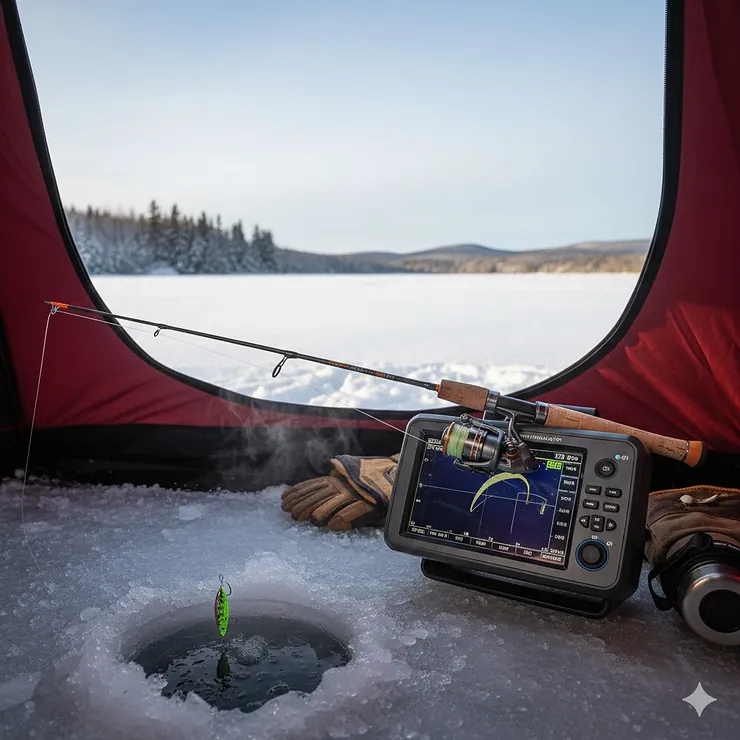
Picture this: you’re crouched over an ice hole on Lake of the Woods at dawn, watching your line tense as a trophy walleye investigates your jig 30 feet below. The bite is subtle—barely a tremor. With the wrong rod, you’d miss it entirely. With the right walleye ice fishing rod, you feel every movement and set the hook with perfect timing.
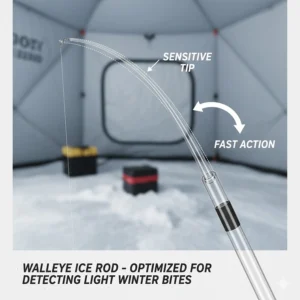
After spending over 15 winters chasing walleye across Canada’s frozen lakes, I’ve learned that your rod is the most critical piece of equipment in your arsenal. A proper walleye ice fishing rod transforms elusive taps into successful hooksets, turning frustrating days into memory-making adventures. The rod acts as your direct connection to fish you can’t see, amplifying every nudge and nibble from below.
Canadian walleye ice fishing demands specialized gear that can handle our extreme conditions—from bitter -30°C mornings to the aggressive late-ice bite when fish are staging near spawning areas. Whether you’re targeting shallow-water walleye in three feet of water or deep-basin fish at 40 feet, the right rod setup makes the difference between going home skunked or with a cooler full of fillets.
In this comprehensive guide, I’ll walk you through the seven best walleye ice fishing rods available in Canada for 2026, covering everything from budget-friendly options to premium setups that serious anglers swear by. You’ll also discover essential walleye jigging techniques, understand how walleye behavior changes throughout winter, and learn proven walleye fishing tactics that work across Canadian waters.
Quick Comparison Table
| Rod Model | Length | Power | Price (CAD) | Best For | Rating |
|---|---|---|---|---|---|
| 13 Fishing Microtec Walleye | 28″ | Medium | $64.95 | Budget-conscious anglers | 4.5/5 |
| Shimano Ice Convergence | 32″ | Medium-Light | $59.99 | Beginners | 4.3/5 |
| Fenwick Elite Tech | 30″ | Medium | $74.99 | All-around versatility | 4.6/5 |
| 13 Fishing Omen | 32″ | Medium-Heavy | $76.49 | Big water walleye | 4.7/5 |
| St. Croix Avid Glass | 28″ | Medium-Light | $67.99 | Sensitive bite detection | 4.5/5 |
| St. Croix Tundra | 32″ | Medium | $161.49 | Premium performance | 4.8/5 |
| St. Croix Custom Ice | 32″ | Medium-Heavy | $169.99+ | Trophy hunters | 4.9/5 |
💬 Just one click – help others make better buying decisions too! 😊
✨ Don’t Miss These Exclusive Deals!
🔍 Take your walleye ice fishing to the next level with these carefully selected products available in Canada. Click on any highlighted item to check current pricing and availability on Amazon.ca. These tools will help you create authentic results your family will love!
Top 7 Walleye Ice Fishing Rods: Expert Analysis
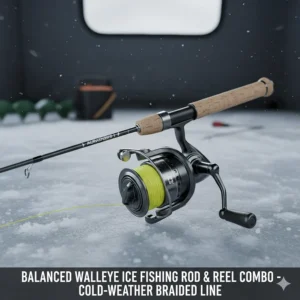
1. 13 Fishing Microtec Walleye Ice Combo – Best Budget-Friendly Option
The 13 Fishing Microtec Walleye Ice Combo stands as the go-to choice for anglers who want proven performance without breaking the bank. At just $64.95 CAD, this complete setup delivers exceptional value that punches well above its price point.
Key Specifications:
- 28-inch medium-action rod with deadstick design
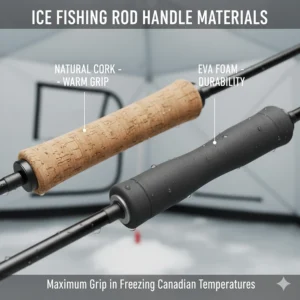
- Full cork handle for cold-weather grip
- 3-bearing reel pre-spooled with quality line
- Solid fiberglass blank for durability
This combo excels in Canadian conditions because the longer full-grip handle allows secure placement in rod holders while waiting for aggressive walleye strikes. The medium action provides enough backbone to handle bigger fish while maintaining the sensitivity needed to detect light bites. Canadian buyers consistently praise its performance in temperatures down to -25°C, with the cork handle remaining comfortable even in extreme cold.
Pros:
✅ Complete combo ready to fish out of the bo
✅ Excellent cold-weather grip that won’t freeze your hands
✅ Durable construction withstands Canadian winters
Cons:
❌ Slightly heavier than premium carbon options
❌ Reel may require line upgrade for braided setups
Target Angler: First-time ice anglers or those building a multi-rod arsenal on a budget.
2. Shimano Ice Convergence Rod – Best for Beginners
At $59.99 CAD, the Shimano Ice Convergence Rod represents outstanding value for anglers just entering the ice fishing world. Don’t let the affordable price fool you—this rod features technology borrowed from Shimano’s premium lines.
Key Specifications:
- 32-inch length ideal for shelter or open-ice fishing
- Lightweight graphite blank for all-day comfort
- Medium-light power perfect for standard walleye presentations
- Shimano’s proven guide system resists ice buildup
The 32-inch length hits the sweet spot for walleye ice fishing rod setup, providing excellent sensitivity while maintaining enough length for proper hook-setting leverage. The responsive graphite blank telegraphs every tick and tap from below, crucial for detecting the notoriously subtle walleye bite. Canadian anglers appreciate how the guides remain ice-free even during prolonged fishing sessions in high humidity conditions.
Pros:
✅ Incredibly lightweight reduces fatigue during long sessions
✅ Shimano quality control ensures consistent performance
✅ Versatile length works in various fishing situations
Cons:
❌ Requires separate reel purchase
❌ Medium-light power may struggle with trophy-sized fish over 10 pounds
Target Angler: Newcomers wanting a reliable rod that grows with their skills.
3. Fenwick Elite Tech Ice Rod – Best All-Around Performer
The Fenwick Elite Tech Ice Rod at $74.99 CAD delivers premium features at a mid-range price, making it my top recommendation for anglers who fish multiple times per winter. This rod represents Fenwick’s commitment to accessible high-performance gear.
Key Specifications:
- 30-inch medium-action rod
- 24-ton and 30-ton graphite blend for optimal sensitivity
- Redesigned guides with advanced coatings
- Split-grip EVA handle for balance and feel
What sets this rod apart is the carefully engineered graphite blend that provides both sensitivity for detecting bites and the backbone needed for solid hooksets on toothy walleye. The 30-inch length proves ideal for most Canadian walleye ice fishing scenarios, from shallow flats to mid-depth structure. Canadian reviewers consistently mention how this rod feels “alive” in your hands, transmitting every bottom composition change and baitfish movement.
Pros:
✅ Exceptional balance point reduces wrist fatigue
✅ Advanced guide coatings minimize line freeze issues
✅ Versatile power rating handles various jigging techniques
Cons:
❌ Split-grip design may feel unusual for traditionalists
❌ Popular model often sells out during peak season
Target Angler: Intermediate to advanced anglers seeking one versatile rod for varied conditions.
4. 13 Fishing Omen Ice Rod – Best for Big Water Walleye
Currently available for $76.49 CAD (regular $89.99), the 13 Fishing Omen Ice Rod tackles big-lake situations where larger walleye and aggressive presentations reign supreme. This is the rod you want when fishing expansive waters like Lake Winnipeg or Georgian Bay.
Key Specifications:
- 32-inch length for increased leverage
- Medium-heavy power handles larger baits and fish
- PC2 construction for incredible sensitivity despite power
- Custom reel seat designed for Canadian winter conditions
The medium heavy walleye ice rod power of the Omen makes it perfect for pounding larger jigging spoons and rattling crankbaits through deep water. Despite the power, 13 Fishing’s proprietary blank technology maintains impressive sensitivity—you’ll feel light taps even when fishing aggressive tactics. Canadian big-water specialists love how this rod performs in wind and current, maintaining control where lighter rods struggle.
Pros:
✅ Powerful enough for trophy walleye and northern pike
✅ Excellent for aggressive jigging techniques
✅ Durable construction withstands harsh Canadian conditions
Cons:
❌ May be overpowered for finesse presentations
❌ Heavier feel compared to lighter-power options
Target Angler: Experienced anglers targeting big walleye on expansive Canadian waters.
5. St. Croix Avid Glass Ice Rod – Best for Bite Detection
At $67.99 CAD (on sale from $79.99), the St. Croix Avid Glass Ice Rod excels at revealing the most tentative walleye bites. The solid glass construction provides a unique feel that many veteran anglers prefer for detecting light-biting fish.
Key Specifications:
- 28-inch solid glass blank
- Medium-light power for finesse presentations
- High-visibility tip for visual bite indication
- Premium split-grip cork handle
Glass blanks possess a distinctive slow-action quality that loads deeply on hooksets, making them forgiving when fighting fish on light line. The high-contrast tip section allows you to watch for visual bites—critical during midday periods when walleye sip baits gently. Canadian anglers fishing pressured waters particularly appreciate how this rod helps land skittish fish that other anglers miss.
Pros:
✅ Unmatched sensitivity for detecting light bites
✅ Forgiving action reduces pulled hooks on light line
✅ Exceptional cold-weather performance
Cons:
❌ Heavier than equivalent carbon rods
❌ Glass blanks require more careful handling to avoid breaks
Target Angler: Finesse specialists targeting pressured or light-biting walleye.
6. St. Croix Tundra Ice Rod – Best Premium All-Rounder
The St. Croix Tundra Ice Rod at $161.49 CAD (regular $199.99) represents a significant investment, but serious Canadian walleye anglers consider it money well spent. This rod combines cutting-edge materials with decades of St. Croix’s rod-building expertise.
Key Specifications:
- 32-inch premium carbon blank with carbon dust finish
- Medium power with fast action
- Custom reel seat with proprietary design
- Split-grip handle optimized for cold conditions
The Tundra series showcases St. Croix’s latest ice-specific innovations, including a flat-finish reel seat that resists freezing and a carbon dust blank that provides both strength and incredible sensitivity. The 32-inch length offers perfect versatility for various walleye ice fishing rod setup configurations. Canadian buyers rave about this rod’s performance in extreme cold, with many reporting flawless function in temperatures below -30°C.
Pros:
✅ Premium materials deliver unmatched performance
✅ Versatile enough for multiple species beyond walleye
✅ Backed by St. Croix’s legendary warranty
Cons:
❌ Premium price point may deter budget-conscious anglers
❌ Requires investment in quality reel to match rod performance
Target Angler: Dedicated ice anglers who fish frequently and demand top-tier equipment.
7. St. Croix Custom Ice Rod – Best for Trophy Hunters
Starting at $169.99 CAD and ranging up based on specifications, the St. Croix Custom Ice Rod series represents the pinnacle of walleye ice fishing rod technology. When you absolutely need to land that fish of a lifetime, this is the rod to trust.
Key Specifications:
- Available in 20″ to 36″ lengths with multiple power options
- Choice of solid carbon, solid glass, or tubular carbon/glass blanks
- REC Recoil guides with black pearl finish
- Super-grade cork split-grip handles
What makes the Custom series special is the technique-specific design philosophy. Each model is engineered for particular presentations and conditions, with the medium-heavy 32-inch model being ideal for aggressive walleye jigging techniques. The REC Recoil guides have proven virtually ice-proof across countless Canadian winters. Trophy walleye specialists appreciate having multiple models for different situations—shallow water deadsticking, deep basin jigging, and everything between.
Pros:
✅ Uncompromising performance for serious trophy hunters
✅ Multiple blank options suit different fishing styles
✅ Premium components throughout
Cons:
❌ Highest price point in our comparison
❌ May be more rod than casual anglers need
Target Angler: Trophy-focused anglers and guides who demand absolute reliability and performance.
Understanding Walleye Ice Fishing Rod Setup
Creating an effective walleye ice fishing rod setup involves more than just the rod itself. Here’s how to optimize your entire system for Canadian conditions:
Critical Components for Success
Line Selection Matters: Most Canadian walleye specialists run 10-14 pound braided mainline with a 6-8 pound fluorocarbon leader. Braid provides incredible sensitivity for detecting bites in deep water, while the fluorocarbon leader remains nearly invisible and resists abrasion against ice edges.
Reel Considerations: Match your reel size to your rod—typically 500-1000 size spinning reels work perfectly. Look for models with cold-weather grease that won’t seize in Canadian temperatures. Some anglers prefer inline reels for their direct connection and reduced line twist.
Optimal Rod Length: For most Canadian walleye situations, 28-32 inch rods prove most versatile. Shorter rods (24-28″) excel in portable shelters, while longer rods (32-36″) provide better leverage for hooksets when fishing outside or in larger shelters.
Terminal Tackle Setup
Your walleye ice fishing rod setup should accommodate various presentations. Here’s what works across Canadian waters:
For Jigging Spoons: Tie direct to 1/4 to 3/8 oz spoons in perch, glow, or silver patterns. Add a split ring for better action if your spoon doesn’t include one.
For Jigging Raps: Connect these diving lures using a loop knot to preserve their distinctive action. Size #5-7 models excel for walleye.
For Live Bait Rigs: Use a small jig head (1/16 to 1/8 oz) tipped with a minnow head. This classic presentation remains deadly throughout winter.
Rod Positioning Strategies
Active Jigging: Hold your rod at a 45-degree angle, maintaining tension while providing slack for the lure to flutter on the drop. This angle allows quick hooksets when you feel the telltale tap.
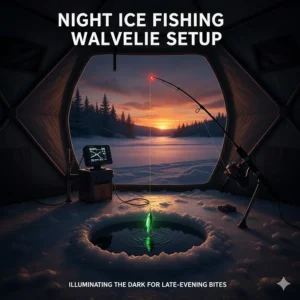
Deadsticking: Set your rod in a holder at a steep angle with minimal tension. Walleye often prefer completely stationary presentations, particularly during midday periods. Watch your rod tip closely for subtle movements.
Mastering Walleye Jigging Techniques for Canadian Waters
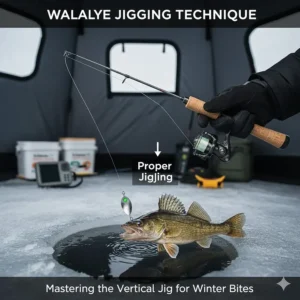
Successful walleye jigging techniques separate limit catches from empty buckets. After years of trial and error across Canadian lakes, these patterns consistently produce:
The Aggressive Lift-and-Drop
This fundamental walleye jigging technique works particularly well during low-light periods and when fish are actively feeding. Rip your lure upward 18-24 inches with a sharp snap, then immediately drop your rod tip to create slack. The lure helicopters downward, triggering aggressive strikes from competitive walleye.
Best times: Dawn, dusk, and overcast days when walleye feed aggressively.
The Subtle Shake and Pause
When fish are finicky—common during midwinter’s doldrums—switch to gentle shakes of just 3-6 inches. Pause for 5-10 seconds between movements, allowing walleye time to investigate and commit. This technique requires a sensitive medium heavy walleye ice rod to detect the often-subtle takes.
Best times: Midday periods and when fishing pressured waters.
The Bottom Pound
Borrowed from burbot anglers, this aggressive technique has proven deadly for winter walleye. Lift your lure 12-18 inches, then let it crash into the bottom, creating a puff of sediment. The noise and disturbance attract curious walleye from surprising distances. Use heavier 3/8 to 3/4 oz lures for maximum impact.
Best times: Late-ice periods when walleye become aggressive feeders.
The Deadstick Hover
Simply lower your bait to the desired depth and hold it motionless. This presentation excels with live minnow heads on small jigs. Walleye often prefer completely stationary baits, particularly in heavily-pressured Canadian lakes where fish have seen every jigging cadence imaginable.
Best times: Midday and when fishing is slow with active techniques.
Advanced Cadence Variations
Mix up your jigging rhythm throughout the day. Try three aggressive rips followed by a long pause, or alternate between fast and slow movements. Walleye often key on specific cadences based on current forage behavior—experiment until you crack the code.
Decoding Walleye Behavior Winter: Canadian Patterns Explained
Understanding walleye behavior winter patterns dramatically increases your success rate. Canadian walleye exhibit distinct behavioral changes as winter progresses:
Early Ice (December – January)
Fresh ice offers some of the season’s best action. According to recent research from Ontario’s Ministry of Natural Resources, walleye remain in similar locations to their late-fall haunts. Focus your efforts on these prime early-ice locations:
Main Lake Structure: Humps, points, and saddles in 15-30 feet of water hold numbers of fish. Walleye relate to these structures as they transition from deep basins to shallower feeding areas.
Weed Line Edges: Before vegetation fully decomposes, remaining weed edges concentrate baitfish and the walleye that hunt them. Look for the last green weeds in 10-18 feet of water.
Rocky Shoals and Reefs: Hard-bottom areas provide crucial walleye staging zones. Fish these spots during low-light periods for best results.
Midwinter Doldrums (Late January – February)
The toughest period for Canadian ice anglers, midwinter sees reduced walleye activity as metabolisms slow. However, fish still feed—you just need to adjust tactics:
Deep Basin Patterns: As described in research featured on Outdoor Canada, many walleye suspend in deep water during this period. Use electronics to locate fish and position your presentation directly in front of them. Suspended walleye often hover 10-20 feet off bottom in water 40-60 feet deep.
Isolated Structure: Small, subtle features overlooked by other anglers often hold concentrations of fish. A solitary rock pile or slight depth change can stack up dozens of walleye.
Shallow Surprise Patterns: Contradicting conventional wisdom, some walleye move extremely shallow during midwinter. As noted by Ontario fisheries biologists, groundwater seepages maintaining temperatures above 4°C stimulate feeding in surprisingly skinny water—sometimes just 3-5 feet deep.
Late Ice (March – April)
The most productive period for numbers and trophy potential. Walleye stage near spawning areas, becoming increasingly aggressive as ice-out approaches:
River Mouth Staging: Walleye congregate near spawning tributaries, often holding on flats and drops adjacent to creek mouths. These areas can stack incredible numbers of fish, though fishing pressure increases accordingly.
Migration Highways: Points, reefs, and shoreline breaks between winter haunts and spawning areas see heavy walleye traffic. Set up on these travel routes for consistent action as waves of fish pass through.
Aggressive Feeding Mode: Late-winter walleye feed heavily to build reserves for spawning. This aggressive behavior allows use of larger, flashier lures and faster presentation speeds that would spook fish earlier in winter.
Light Sensitivity and Feeding Windows
Walleye possess extremely light-sensitive eyes—an adaptation for low-light hunting that influences their ice-fishing behavior. Under ice, light levels drop to just 10% of surface intensity, yet changing light still triggers distinct feeding periods.
Prime Time Windows: The 90 minutes surrounding sunrise and sunset produce the most aggressive feeding. Plan your fishing around these critical periods for best results.
Midday Strategies: While activity typically slows when the sun is high, you can still catch fish. Focus on deeper water, stained water areas, or utilize the subtle jigging techniques described earlier. Some days, particularly on cloudy ones, walleye feed all day without distinct peaks.
Proven Walleye Fishing Tactics for Canadian Ice
These battle-tested walleye fishing tactics work consistently across Canada’s diverse ice-fishing landscape:
The Multi-Hole Strategy
Drill 8-12 holes covering various depths and structure types before fishing. This systematic approach, popular among mobile Canadian anglers, allows rapid movement between spots. Spend 5-10 minutes per hole—if you don’t mark fish on electronics or get bites, move on. Efficiency wins the day.
The Deadstick Double
Run two rods simultaneously (check provincial regulations—most areas allow this). Actively jig with one rod while running a deadstick presentation with the other. This covers aggressive and passive presentations simultaneously, allowing fish to choose their preference. Surprisingly often, the motionless deadstick outproduces the jigged rod.
The Forage Match
Pay attention to what walleye are eating. In lakes with strong cisco (lake herring) populations, match your lure profile and action to these baitfish. Where perch predominate, use perch-patterned spoons. This principle extends to yellow perch cousin fishing—understanding baitfish behavior helps predict walleye location and presentation preferences.
The Structure Circuit
Develop a circuit of proven spots on your local lake. Visit each location during different light periods throughout winter. Walleye often shift between structures based on time of day and weather conditions. Your 9 AM spot might be dead by noon, while another location fires up in late afternoon.
The Weather Pattern Play
Stable weather typically produces consistent fishing, while frontal passages often trigger feeding sprees followed by lockjaw conditions. In Canada, learn to anticipate these patterns:
Before a Front: Walleye often feed aggressively as barometric pressure drops. Take advantage of this pre-frontal feeding window.
During/After a Front: Fishing can shut down for 1-2 days as fish adjust to new conditions. Focus on deeper water and slower presentations during this period.
Extended High Pressure: Bright, calm, cold conditions after a front passes can be challenging. Fish deep, use electronics to locate specific fish, and employ finesse presentations.
The Electronics Advantage
Modern fish finders revolutionize ice fishing success rates. Flasher-style units show real-time fish responses to your presentation. When a fish approaches your lure, you can adjust jigging cadence, pause timing, or drop speed to trigger strikes. This interactive approach dramatically improves catch rates, particularly on pressured Canadian waters where walleye see countless lures daily.
Walleye vs Yellow Perch Cousin Fishing: Understanding the Connection
Many Canadian anglers wonder about yellow perch cousin fishing and its relationship to walleye success. The connection is more significant than you might think.
Yellow perch, while not a direct cousin species to walleye, share overlapping habitat and often school near walleye-holding structure. In many Canadian lakes, perch and walleye coexist, with larger walleye actively predating on perch.
Strategic Advantage: When ice fishing, if you locate and catch yellow perch, you’ve often found an area that will produce walleye—either currently or during prime feeding times. Smart anglers note perch locations for return visits during dawn or dusk when walleye move shallow to hunt them.
The Cisco Connection: In deeper Canadian lakes, ciscoes (lake herring) form a more direct food source for trophy walleye. These silvery baitfish relate to mid-depth structures and open water. Veteran anglers target cisco schools with electronics, knowing big walleye lurk nearby. In fact, examining stomach contents of large walleye often reveals partially-digested cisco remains.
Baitfish Patterns Drive Success: Whether it’s perch, cisco, or shiners, understanding local baitfish behavior dramatically improves walleye fishing. Match your lure size and color to predominant forage, and fish where baitfish congregate.
Essential Gear Beyond Your Rod
While your walleye ice fishing rod forms the foundation, these additional items round out a complete Canadian ice-fishing kit:
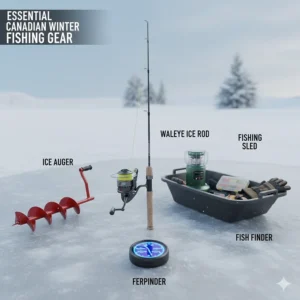
Ice Auger Selection
Manual Augers: Budget-friendly and reliable, requiring physical effort but never running out of fuel. Ideal for drilling 10-15 holes per outing.
Gas Augers: Powerful and fast, perfect for drilling dozens of holes when hole-hopping. Choose 8-inch diameter for walleye fishing—large enough for big fish but faster to drill than 10-inch models.
Electric Augers: Gaining popularity among Canadian anglers. Quiet operation doesn’t spook fish, and modern lithium batteries handle cold well. The Milwaukee M18 Fuel Lithium system has proven particularly reliable in extreme Canadian temperatures.
Electronics You Actually Need
Flasher-Style Units: The gold standard for ice fishing. Vexilar FL-8 and Humminbird Ice Helix models provide real-time feedback on fish location and lure depth. The ability to watch fish react to your presentation is game-changing.
Portable GPS Units: Mark productive spots for future trips. Modern units with pre-loaded lake maps help navigate safely and locate structure.
Shelter Systems
Flip-Over Shelters: Excel for mobile anglers who frequently move. One-person models weigh just 30-40 pounds fully rigged. Perfect for Canadian conditions where you need rapid setup when weather deteriorates.
Hub-Style Shelters: Offer more interior space and better insulation for extended sessions. Six-person models comfortably fish three anglers with room for gear and a heater.
Permanent Shacks: For dedicated spots on safe ice, nothing beats a permanent shelter’s comfort. Popular on Canadian lakes with reliable access.
Safety Equipment (Non-Negotiable)
Ice Picks: Wear around your neck—they could save your life if you break through.
Ice Chisel: Test ice thickness as you move to new areas.
Throw Rope: Keep within reach for assisting others or self-rescue.
Flotation Suit or Life Jacket: Essential when traveling on early or late ice.
Canadian-Specific Considerations
Hand Warmers: Chemical hand warmers keep fingers functional in bitter cold. Zippo makes refillable models that work reliably below -30°C.
Quality Auger Blades: Cold Canadian temperatures dull blades faster. Carry a spare set and learn to sharpen them properly.
Reliable Heater: Mr. Heater Buddy propane heaters are incredibly popular in Canadian ice shacks, providing safe, effective warmth even in the coldest conditions.
Location, Location, Location: Finding Walleye on Canadian Ice
Where you fish matters more than what gear you use. These location strategies work across Canada’s varied walleye waters:
Reading Lake Maps and Electronics
Start your search by studying lake maps before hitting the ice. Identify key features:
Points and Peninsulas: These transition zones concentrate walleye as they move between deep and shallow water. The sharper the point, the better—gradual slopes disperse fish.
Humps and Sunken Islands: Isolated structure in deeper water acts as feeding stations. Look for tops in 15-25 feet with quick drops to 40+ feet on one or more sides.
Inside Turns and Pockets: Often-overlooked features where shoreline bends create depth changes. These subtle spots hold fish during midwinter when obvious structure gets pressured.
Creek Channels: Submerged river channels running through lake basins provide highways for walleye movement. Fish edges where channels meet flats.
Depth Zone Targeting
Shallow Patterns (5-15 feet): Most productive early and late ice, particularly during low-light periods. Focus on rock and gravel areas adjacent to deeper water.
Mid-Depth Zones (15-30 feet): The bread-and-butter depth for consistent Canadian walleye fishing throughout winter. Structure in this range typically holds the highest concentrations.
Deep Water (30-50+ feet): During midwinter doldrums, many walleye suspend in basins or hold on deep rock reefs. Electronics become essential for locating these fish.
Regional Hotspots Across Canada
Ontario: Lake of the Woods, Lake Nipissing, Lac Seul, and Bay of Quinte all offer world-class walleye ice fishing. Each requires slightly different approaches based on forage base and lake morphology.
Manitoba: Lake Winnipeg’s famous greenback walleye provide incredible ice-fishing opportunities, particularly in the south basin where access is easier.
Saskatchewan: Tobin Lake and numerous other reservoirs in the Saskatchewan River system produce excellent walleye fishing with good average sizes.
Quebec: Numerous shield lakes offer quality walleye fishing with less pressure than Ontario waters. Quebec’s northern lakes often have darker fish from tea-stained water.
Regulations and Conservation: Fishing Responsibly in Canada
Before fishing for walleye through Canadian ice, understand current regulations. Rules vary significantly by province and even specific waterbodies. Here’s what you need to know:
Licensing Requirements
All anglers aged 18+ require a valid fishing license. Most provinces offer:
Sport Fishing License: Allows higher catch limits. In Ontario, for example, sport license holders can typically retain 4 walleye (zone-dependent).
Conservation License: Lower cost but reduced limits—usually 2 walleye maximum.
Multi-Day or Annual Options: Choose based on how often you fish. Frequent anglers save money with annual licenses.
Purchase licenses online through provincial websites or at sporting goods retailers. Many offer instant electronic licenses viewable on smartphones.
Size Restrictions Matter
Many Canadian waters feature protective slot limits designed to protect spawning-size walleye. Common examples:
Protected Slots: Cannot keep fish between 18-23 inches. This protects prime spawning females while allowing harvest of eating-size fish.
Minimum Sizes: Some waters require minimum lengths (commonly 15-16 inches) to allow walleye to spawn at least once before harvest.
Trophy Regulations: Only one fish over a certain size (often 22-23 inches) may be retained, protecting the genetic stock of large females.
Specific regulations vary dramatically. For current Ontario rules, consult the Ontario Fishing Regulations Summary, updated annually. Other provinces maintain similar online resources.
Best Practices for Conservation
Selective Harvest: Keep smaller walleye (15-18 inches) for eating—they’re abundant and taste excellent. Release larger fish, especially those over 24 inches, as these big females produce exponentially more eggs.
Proper Fish Handling: Minimize time out of water. Use barbless hooks for easier releases. Handle fish gently, avoiding squeezing or dropping them on hard ice.
Immediate Processing: If keeping fish, quickly clean and ice them. Walleye quality deteriorates if left to freeze and thaw repeatedly.
Report Unusual Observations: Notice diseased fish or unusual mortality? Report to provincial fisheries authorities to help monitor fish health.
Respect Sanctuaries: Some areas close during spawning seasons. These temporary closures protect critical spawning activity—respect them even if ice remains safe.
Optimizing Your Catch: Processing and Preparation
Once you’ve successfully landed walleye, proper processing ensures exceptional table quality:
Field Care Fundamentals
Immediate Bleeding: Some anglers cut gill arches to bleed walleye immediately after catch, believing it improves flesh quality. In winter, this matters less than during warm weather.
Keep Fish Cold: Lay walleye on ice or snow, never in a bucket of water where they’ll freeze and thaw. Frozen fish maintain better quality than those sitting in water.
Avoid Bruising: Handle carefully. Dropped fish develop bruising that affects fillet appearance and taste.
Cleaning Techniques
Classic Fillet Method: Most popular approach, yielding boneless fillets. Cut behind the pectoral fin, angling toward the head, then run your knife along the backbone to the tail. Flip and remove rib bones. Skin the fillet or leave skin on based on preference.
Cheek Meat: Don’t forget these nuggets! Walleye cheeks are pure meat and absolutely delicious. Cut along the gill plate to remove these tender morsels.
Proper Storage: Vacuum-seal fillets if storing long-term. Properly packaged walleye maintains excellent quality frozen for 6+ months.
Canadian Culinary Traditions
Shore Lunch: A beloved Canadian tradition—catch walleye in the morning, fillet them on the ice, and fry them immediately. Simple shore lunch setups with propane burners turn fresh walleye into memorable meals.
Classic Preparation: Dredge fillets in seasoned flour or cornmeal, pan-fry in butter or oil until golden. Serve with lemon wedges and tartar sauce.
Innovative Options: Walleye also excels baked, grilled, or prepared in tacos. The mild, flaky flesh adapts well to various cooking methods.
Advanced Tips from Canadian Ice Fishing Experts
After years on Canadian ice, these advanced insights separate good anglers from great ones:
Moon Phase Influence
Many experienced walleye anglers plan trips around moon phases. Full and new moons often trigger increased feeding activity, particularly during evening periods. The gravitational effects influence underwater light levels and potentially prey behavior, creating favorable feeding conditions.
Scent Matters More Than You Think
Despite cold water temperatures, scent remains important. Commercial attractants like Berkeley Gulp! or Pro-Cure work, but simple additions help too:
Minnow Heads: The ultimate scent attractant. Cut behind the head of a dead minnow and tip your jig. The oils and blood dispersion draws walleye from distance.
Anise Oil: Some Canadian anglers swear by anise-scented plastics or adding anise oil to lures. While controversial, enough successful anglers use it to merit consideration.
Line Color Considerations
Most situations call for low-visibility fluorocarbon leaders, but line color matters less than you might think. Walleye focus primarily on lure action and profile. That said, in ultra-clear water, fluorocarbon’s near-invisibility provides peace of mind and possibly a slight edge.
The Power of Mapping Your Success
Keep detailed notes of successful trips—date, time, location, depth, presentation, weather conditions. Patterns emerge over seasons, allowing you to predict productive conditions. Many serious Canadian walleye anglers maintain detailed fishing logs or use apps like Fishbrain to track catches and conditions.
Group Tactics
When fishing with friends, spread out to cover more water. Stay in communication (walkie-talkies work great on ice) so when someone locates fish, others can converge. This collaborative approach dramatically increases everyone’s success, particularly when searching for scattered fish on large lakes.
Troubleshooting Common Problems
Even experienced anglers face challenges. Here’s how to solve common walleye ice fishing problems:
Problem: Marking Fish But No Bites
Solution: Fish are present but not interested. Try drastically changing your presentation—switch from aggressive to subtle, or vice versa. Change colors. Add or remove scent. Often, one small adjustment triggers strikes.
Problem: Rod Tip Keeps Freezing
Solution: Your guides are icing up, common in high humidity. Apply chapstick, Pam cooking spray, or commercial guide treatments to create a water-repelling coating. Alternately, bring a second rod rigged and ready so you can swap while the first thaws.
Problem: Missing Bites
Solution: Either you’re not detecting bites (upgrade to a more sensitive rod) or hookset timing is off. Walleye sometimes hold bait momentarily before swallowing—wait one or two seconds before setting the hook. Other times, they bite and immediately reject—set immediately. Learn your lake’s walleye behavior through experience.
Problem: Electronics Show No Fish
Solution: You’re not in the right spot. Move! Don’t waste hours fishing dead water. Drill more holes, cover more area, find the fish. They’re somewhere—your job is locating them.
Problem: Consistent Small Fish, No Size Variety
Solution: You’re fishing the correct areas but need to target bigger walleye specifically. Move to deeper adjacent water, increase lure size, or fish prime low-light periods when larger predatory walleye are most active. Big fish often separate from schooled smaller ones.
❓ FAQ: Walleye Ice Fishing in Canada
❓ What is the best walleye ice fishing rod length for Canadian conditions?
❓ How much does a quality walleye ice fishing rod cost in Canada?
❓ When is the best time to ice fish for walleye in Canadian lakes?
❓ What line should I use for walleye ice fishing rod setup?
❓ Can I use the same rod for walleye and other species through the ice?
Conclusion: Putting It All Together for Canadian Walleye Success
Selecting the right walleye ice fishing rod represents just one piece of the ice-fishing puzzle, but it’s a crucial foundation for consistent success on Canadian waters. Whether you choose the budget-friendly 13 Fishing Microtec Walleye Ice Combo at $64.95 CAD or invest in the premium St. Croix Custom Ice Rod starting at $169.99 CAD, matching your rod to your fishing style and target waters ensures better experiences on the ice.
Remember that success comes from combining proper gear with knowledge of walleye behavior, effective jigging techniques, and the persistence to stay mobile until you locate fish. Canadian walleye ice fishing rewards those who understand seasonal patterns, respect our incredible fisheries through responsible harvest, and continuously refine their approach based on conditions.
The 2026 ice season offers Canadian anglers incredible opportunities across our nation’s frozen lakes. Armed with the right walleye ice fishing rod, proven tactics, and the information shared in this guide, you’re well-equipped to make this your most successful winter season yet.
Now get out there, drill some holes, and experience the thrill of feeling that unmistakable walleye thump through your rod. Tight lines and stay safe on the ice!
Recommended for You
- 7 Best Ice Fishing Combo for Beginners in Canada 2026
- 7 Best Cheap Ice Fishing Rods Canada 2026
- 7 Best Ice Fishing Combo 2026: Premium Gear Canada
Disclaimer: This article contains affiliate links to Amazon.ca. If you purchase products through these links, we may earn a small commission at no additional cost to you.
